
Fragrance-free Sunscreen for migraine

Fragrance-free Sunscreen for migraine

When Sun Protection Triggers Discomfort: Rethinking Sunscreen for Sensory-Sensitive Skin

For individuals who have learned through experience that even a few moments after applying sunscreen, its scent can trigger head pressure or the onset of a migraine, daily sun protection becomes a dilemma rather than a routine. On the one hand, dermatologic science consistently emphasizes the importance of broad-spectrum sunscreen for preventing photoaging, inflammation, and skin cancer. On the other hand, the immediate sensory burden, particularly fragrance can make continued use intolerable.

This tension is especially common among people with migraine disorders or heightened sensory sensitivity. The sunscreen has barely settled on the skin when a sharp or lingering scent provokes discomfort: pressure behind the eyes, heaviness in the head, restlessness. In that moment, the individual is forced into an unfair choice:

  • tolerate sensory discomfort and risk triggering a migraine, or
  • abandon sunscreen altogether, despite knowing its long-term importance for skin health.

This is not a matter of being “overly sensitive.” For many migraine sufferers, olfactory stimuli are well-documented triggers. Even brief exposure to certain fragrances can initiate neurological responses. As a result, many sunscreens marketed as “gentle” or “for sensitive skin” still fail in real-world use for this population.

The outcome is often inconsistent application, using sunscreen only on special occasions or complete avoidance. Over time, this leaves the skin unprotected against UVA and UVB radiation, accelerates photoaging, and increases inflammatory burden.

This article begins from a different premise: people should not have to choose between neurological comfort and dermatologic protection. An appropriate sunscreen for sensory-sensitive individuals must be fragrance-free, lightweight, fast-absorbing, and essentially unnoticeable after application. It should be a product you can apply and then forget, not one that demands constant awareness of its presence.

The Role of Texture and Sensory Experience in Daily Sun Protection

1- Why scent and feel matter more than marketing claims

In daily skincare use, the most influential factors are rarely the SPF number or packaging claims. Instead, users respond first to texture, scent, and how the product behaves on the skin. For individuals prone to migraines or sensory overload:

  • Fragrance is not a benefit; it is a potential trigger.
  • Heavy or greasy textures create a sense of pressure and discomfort.
  • Residual stickiness or white cast discourages consistent use.

For this reason, fragrance-free creams and gel-based sunscreens are not merely preferences in this group; they are functional requirements.

2- Cream, light cream, or gel-cream: why formulation base matters

The formulation base plays a decisive role in tolerability:

  • Rich creams are often appropriate for very dry skin but tend to feel heavy and occlusive, making them unsuitable for daily facial use in many climates.
  • Light creams absorb more readily but may fail to provide sustained hydration.
  • Gel-cream (hydrogel) formulations combine rapid absorption, a cooling sensation, and continuous hydration making them a logical option for sensitive, combination, or oil-prone skin.

For individuals living in Canada, the United States, and much of Europe, where climates range from cold and dry winters to warm, humid summers, this balance is particularly important. Skin may experience dehydration from cold air and indoor heating, followed by increased oil production in warmer months. A hydrogel sunscreen adapts more effectively to these shifts.

3- Continuous hydration as a comfort factor

Dryness itself can create sensations of tightness and irritation; sensations that are especially uncomfortable for migraine-prone individuals. A sunscreen that provides both UV protection and sustained hydration reduces the likelihood of sensory discomfort and significantly increases adherence.
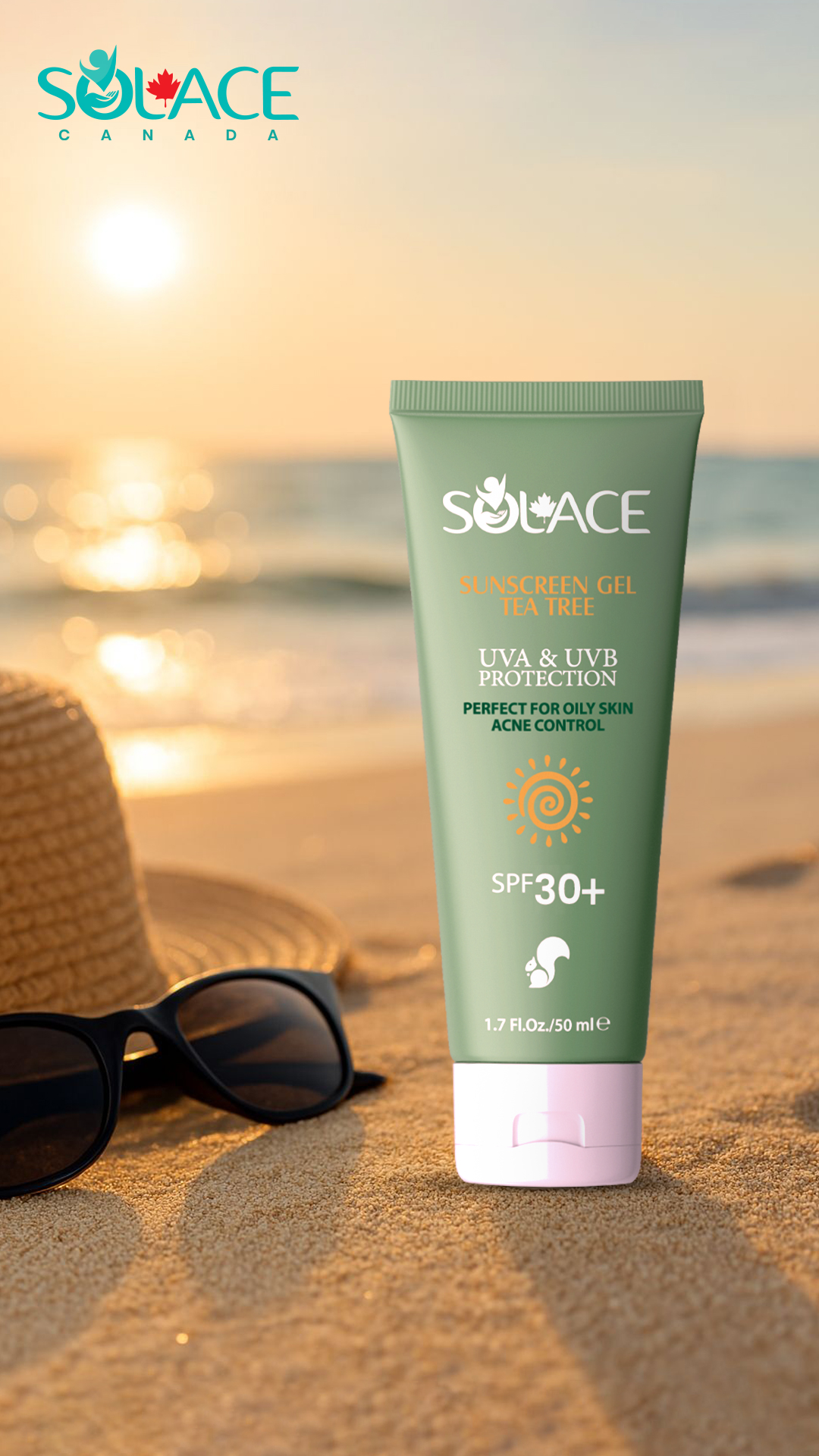
User Experience: “I Forgot I Was Wearing Sunscreen”

For someone sensitive to migraines, sunscreen use is often accompanied by hesitation. After application, the first unconscious check is not the mirror; it is the body’s response: Will pressure start? Will the headache build?

The following account reflects feedback from a Solace sunscreen gel-cream user: a 34-year-old woman with a long history of moderate to severe migraines, who had previously limited sunscreen use because of sensitivity to fragrance and texture.

“For years, sunscreen was something I used reluctantly. Every new product meant waiting a few minutes to see if my head would start to ache. I came across this gel-cream sunscreen on Instagram, almost by chance, and decided to give it one tries without expectations. When I opened it, the first thing I noticed was that there was essentially no smell. It absorbed quickly, didn’t leave my skin sticky or heavy, and most importantly nothing happened neurologically. No pressure, no warning signs. That simple sense of safety meant I didn’t rush to wash it off. I kept using it the next day, and the day after. For the first time, sunscreen became part of my routine rather than a calculated risk.”

This kind of experience, quiet, uneventful, and reassuring is often the true benchmark of success for sensory-sensitive users.

Ingredients and Formulation: Effective Protection Without Sensory Load

A sunscreen suitable for migraine-prone or sensitive individuals must balance clinical efficacy with low sensory impact. The formulation choices in Solace gel-cream sunscreen reflect this principle.

1- Broad-spectrum UV protection

  • Carefully selected physical and chemical UV filters provide stable, broad-spectrum protection against both UVA and UVB radiation.
  • The formulation avoids the need for heavy layering, supporting daily use without occlusion.

2- Calming and balancing components

  • Tea tree leaf extract (Melaleuca alternifolia) contributes to oil regulation and helps reduce inflammation, without imparting a sharp or lingering scent.
  • Aloe vera delivers mild cooling and supports redness reduction following sun exposure.

3- Hydration and barrier support

  • Hydrogel technology ensures even hydration without greasiness or sensory pressure.
  • Vitamin E provides antioxidant support and contributes to long-term skin softness.
  • Hydrolyzed collagen and shea butter, used in controlled balance, enhance skin smoothness and prevent dehydration without heaviness.

4- Resulting sensory profile

  • Rapid absorption
  • No white cast
  • No sticky residue
  • No added fragrance
  • Suitable for sensitive, combination, and oil-prone skin types

How Solace Differs From Conventional Sunscreens

For individuals with migraines, sunscreen comparison rarely begins with price or SPF. It begins with lived experience.

Many users have tried multiple sunscreens; high-end, pharmacy brands, “sensitive skin” labels only to abandon them after one or two uses. The reasons are consistent:

  • Fragrance
  • Heaviness
  • Delayed sensory discomfort

Most conventional sunscreens, even when marketed as mild, contain noticeable scents. For a migraine-prone user, that alone can end the trial.

Solace distinguishes itself in areas that are often overlooked:

Fragrance-free by design

No added scent, no masking fragrance. The formulation prioritizes low-irritation raw materials suitable for olfactory-sensitive users.

Lightweight hydrogel texture

Absorbs quickly, leaves no perceptible film, and avoids the sensation of pressure on the skin.

No white cast or excess shine

Maintains cosmetic comfort across different skin tones and climates, including humid summers and dry winters common in North America and Europe.

Designed for real-world use

Developed with a dermatologic, health-focused approach for consistent daily application; not occasional or reluctant use.
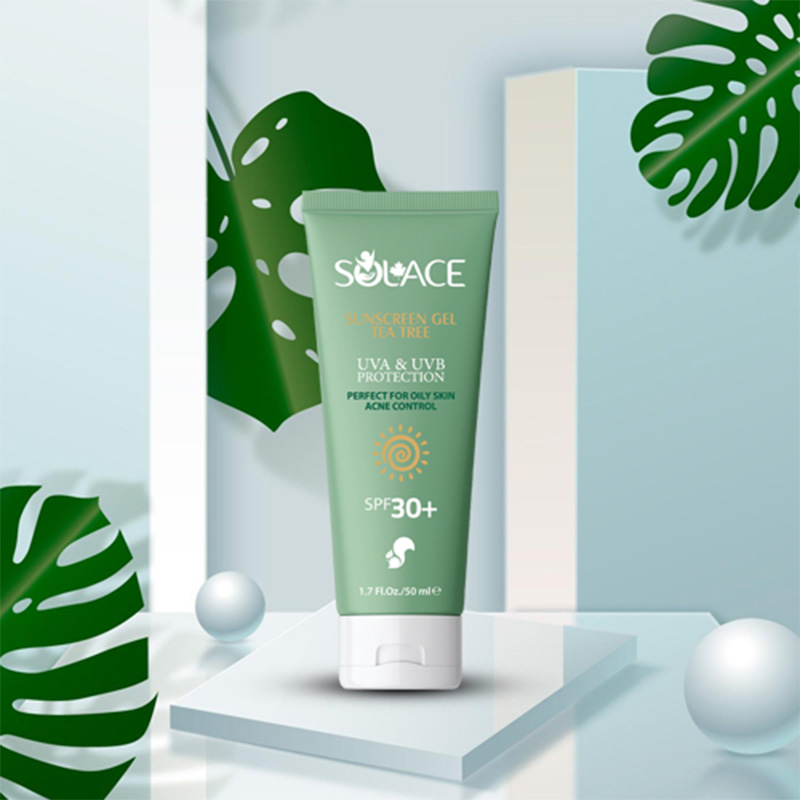
Integrating Solace Sunscreen Into a Daily Routine

How much to apply

For face and neck: approximately two finger lengths of product.

When to apply

Apply to clean, dry skin before sun exposure.

What to use before

If needed, a lightweight, fragrance-free serum only. Heavy products before sunscreen are not recommended.

What to use after

No additional moisturizer is necessary. The hydrogel base provides sufficient baseline hydration. Makeup layers comfortably over the product.

Reapplication

Reapply every 2–3 hours when exposed to sunlight.
If sweating has been minimal, full cleansing before reapplication is not required; apply gently over the previous layer.

For migraine-prone individuals, the ability to reapply without increasing sensory discomfort is a significant advantage.

Final Thoughts

For someone living with migraines or heightened sensory sensitivity, a “good” sunscreen is not merely one that blocks ultraviolet radiation. It is one that can be used consistently, even on the third or fourth application of the day, without fragrance, without sensory pressure, and without fear of triggering discomfort.

Solace was developed with this exact philosophy: a Canadian health-oriented brand with a dermatologic approach, relying on low-irritation ingredients and a formulation compatible with the diverse climates of Canada, the United States, and Europe. The result is a lightweight, fragrance-free sunscreen designed for real life; not just theoretical skin protection.

If you are looking for a sunscreen you can use every day, without worrying about scent-related discomfort or migraine triggers, exploring and purchasing Solace fragrance-free gel-cream sunscreen may be a safe and practical choice.

References

Ethylhexyl methoxycinnamate in sunscreen

Titanium Dioxide Nanoparticles in sunscreens

Vitamin E in Skincare: What It Is and How to Use It

Vitamin C, Topical Retinoids, and Sunscreen in Clinical Practice

Efficacy and safety of Melaleuca alternifolia (tea tree) oil for human health

Investigation of the in vitro effects of shea butter on skin barrier function and hydration using analytical chemistry methodologies

Best and Safe Ways to Increase Heart Rate [Quickly]

Increase Heart Rate Quickly

How to Increase Heart Rate Quickly — Benefits, Risks, and Safe Methods

Almost everyone has experienced it at least once: you are running late, the elevator is out of order, and you suddenly find yourself taking the stairs two at a time. Or perhaps you are sitting in an exam hall when the proctor announces, “One minute remaining,” and your heart instantly starts pounding as if it has turned into a war drum. That rapid, forceful heartbeat feels almost as if someone is knocking from inside your chest.

This raises an important and surprisingly common question: Can we intentionally increase our heart rate? And if so, why would we want to do that, how can we do it safely, and when does it become dangerous?

In this comprehensive medical guide, we will explore the science behind increasing heart rate, its potential benefits, the risks that should never be ignored, and both physical and non-physical techniques that can raise heart rate quickly. The discussion is framed for people living in North America and Europe, where sedentary lifestyles, indoor work, cold climates, and urban stress are common contributors to reduced daily physical activity.

Why Increasing Heart Rate Can Be Beneficial

At first glance, intentionally raising your heart rate may sound counterintuitive or even risky. However, when done properly and within safe limits, an elevated heart rate can offer several important health benefits.

1. Improved Blood Circulation

As heart rate increases, blood circulates more rapidly through the cardiovascular system. This enhanced circulation allows oxygen and nutrients to reach vital organs, muscles, and the brain more efficiently. You can think of it as clearing traffic from a congested highway, everything flows faster and more smoothly.

For individuals living in colder climates or spending long hours indoors, improved circulation can help combat feelings of sluggishness and cold extremities.

2. Strengthening the Heart Muscle

The heart is, fundamentally, a muscle. Just like skeletal muscles become stronger with resistance training, the heart becomes more efficient when challenged appropriately. Periodic increases in heart rate, especially during aerobic activity, train the heart to pump blood more effectively.

Over time, this leads to a lower resting heart rate and improved cardiovascular endurance, both of which are associated with reduced risk of heart disease.

3. Reduced Fatigue and Mental Fog

A rise in heart rate stimulates the release of endorphins and other neurochemicals associated with alertness and well-being. This is why even a short burst of activity can leave you feeling more awake, focused, and mentally clear.

For office workers in the U.S., Canada, and Europe who spend much of the day seated, this effect can be particularly valuable.

4. Enhanced Fat Metabolism

When heart rate increases, the body’s metabolic demands rise. To meet these demands, the body taps into stored energy, including fat reserves. This is one of the reasons regular cardiovascular exercises are associated with weight management and improved metabolic health.

5. Mental Health Benefits

Numerous studies show that activities that elevate heart rate help regulate neurotransmitters such as serotonin and dopamine. These chemicals play a key role in mood stabilization and stress reduction. Regular heart-rate-elevating activities are associated with lower rates of anxiety and depression.

Understanding the Risks: When Increased Heart Rate Becomes Dangerous

Despite its benefits, increasing heart rate is not always safe, especially if done without awareness of individual health conditions.

1. Chest Pain Is a Medical Red Flag

Any sensation of pressure, tightness, or pain in the chest during activity should be taken seriously. If chest discomfort radiates to the left arm, jaw, neck, or back, immediate medical attention is required. This is not a situation to “push through.”

2. Dizziness and Visual Disturbances

A sudden or excessive increase in heart rate can lead to drops or fluctuations in blood pressure. This may cause lightheadedness, blurred vision, or even fainting. These symptoms indicate that the body is under excessive strain.

3. Risks for Individuals with Pre-Existing Conditions

People with hypertension, arrhythmias, valvular heart disease, or chronic illnesses should never attempt to raise heart rate intentionally without medical guidance. What may be healthy stimulation for one person could be harmful for another.

4. Overuse of Stimulants

Caffeine and energy drinks are often used as shortcuts to increase heart rate. While moderate caffeine intake may be safe for many adults, excessive use can cause palpitations, anxiety, insomnia, and in severe cases, cardiac complications.

5. Overtraining and Burnout

More is not always better. Excessive or overly intense exercise especially without adequate recovery can weaken the immune system, strain the heart, and increase injury risk. Sustainable, balanced activity is far more beneficial than extremes.

Why Would Someone Want to Increase Heart Rate Intentionally?

Although it may seem strange at first, there are many legitimate reasons:

  • Athletes use it to warm up and prepare the body for performance.
  • Sedentary individuals use it to re-activate circulation and metabolism.
  • Professionals may seek a quick energy boost before presentations or demanding tasks.
  • Medical and rehabilitation settings sometimes require controlled heart-rate elevation for diagnostic or therapeutic purposes.

Fast and Effective Physical Methods to Raise Heart Rate

  • Stair Climbing: A Free Cardio Tool

Running up stairs is one of the fastest ways to increase heart rate. Even climbing two or three floors at a brisk pace can produce a noticeable cardiovascular response.

  • Jumping Exercises

Jumping jacks, rope jumping, or simulated rope skipping rapidly elevate heart rate. These movements engage multiple muscle groups and require minimal space or equipment.

  • Dancing

Dancing to upbeat music combines physical movement with emotional stimulation. It is highly effective, accessible, and enjoyable; making it easier to maintain consistency.

  • Short Bursts of Running

Even a 30-second sprint or fast jog can sharply increase heart rate. This method is particularly effective for people with limited time.

  • Interval Training

High-intensity interval training (HIIT), such as alternating 20 seconds of intense effort with short rest periods, can raise heart rate very quickly. This method is suitable only for individuals with adequate fitness and no contraindications.

Non-Exercise Methods to Increase Heart Rate

Sometimes physical activity is not practical, such as during work hours or in confined spaces.

  • Caffeine Consumption

A moderate amount of coffee or strong tea can raise heart rate slightly by stimulating the central nervous system. However, moderation is essential.

  • Psychological Stimulation

Stress, excitement, or emotional arousal, such as watching a suspenseful movie or experiencing surprise can temporarily elevate heart rate.

  • Rapid or Deep Breathing

Intentional fast or deep breathing can increase heart rate as the body responds to changes in oxygen and carbon dioxide levels. This technique should be used cautiously and briefly.

Safety Guidelines for Increasing Heart Rate

  • Start Gradually

If you have been inactive, avoid sudden intense activity. Begin with brisk walking or light dynamic movements to prepare the cardiovascular system.

  • Know Your Safe Heart Rate Range

A commonly used estimate for maximum heart rate is:

  • 220 − age = estimated maximum heart rate

For general fitness, staying within 60–80% of this maximum is typically considered safe for healthy adults.

  • Pay Attention to Body Signals

If you cannot speak in full sentences or feel unusually short of breath, reduce intensity. The body provides clear warning signs when limits are exceeded.

  • Stay Hydrated

Dehydration increases cardiovascular strain. Adequate fluid intake before and after activity supports heart function.

  • Manage Stimulant Intake

Avoid excessive caffeine or energy drinks. Natural physical activity is a safer and more sustainable way to raise heart rate.

  • Seek Medical Advice When Needed

Adults over 35, individuals with risk factors, or those with a family history of heart disease should consider a medical evaluation before engaging in intense cardiovascular activity.

Final Thoughts

Raising your heart rate quickly can be both beneficial and energizing when done correctly. Whether through brief physical activity, controlled breathing, or moderate stimulation, intentional heart-rate elevation can support cardiovascular health, mental clarity, and overall vitality.

However, the heart is not merely a tool for excitement or performance, it is a vital organ that deserves respect and care. Balance, moderation, and awareness are the keys to ensuring that increased heart rate remains a health-promoting experience rather than a medical emergency.

References

How to Improve Your HRV Score

How’s your heart rate and why it matters?

Improvements in heart rate variability with exercise therapy

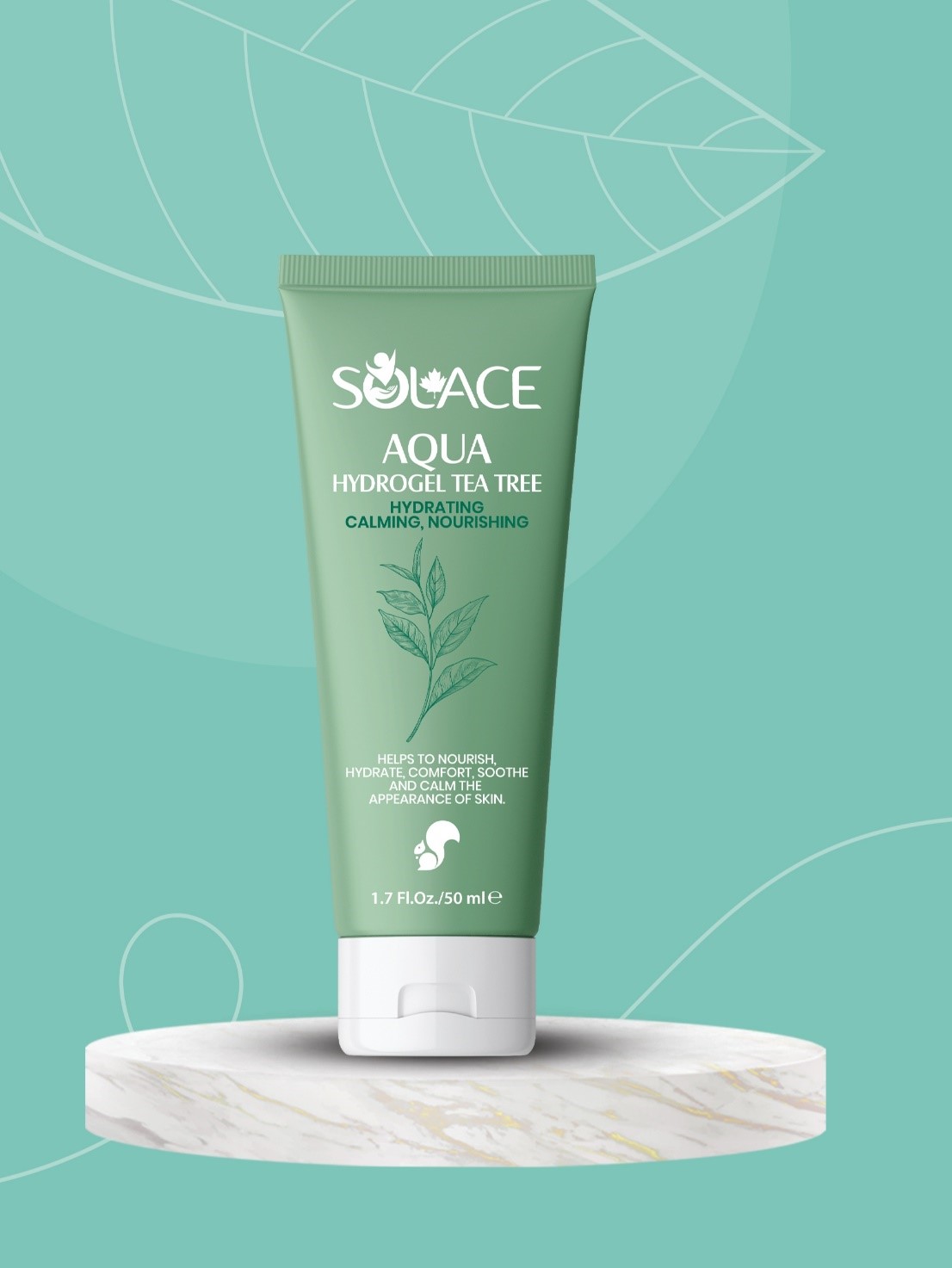
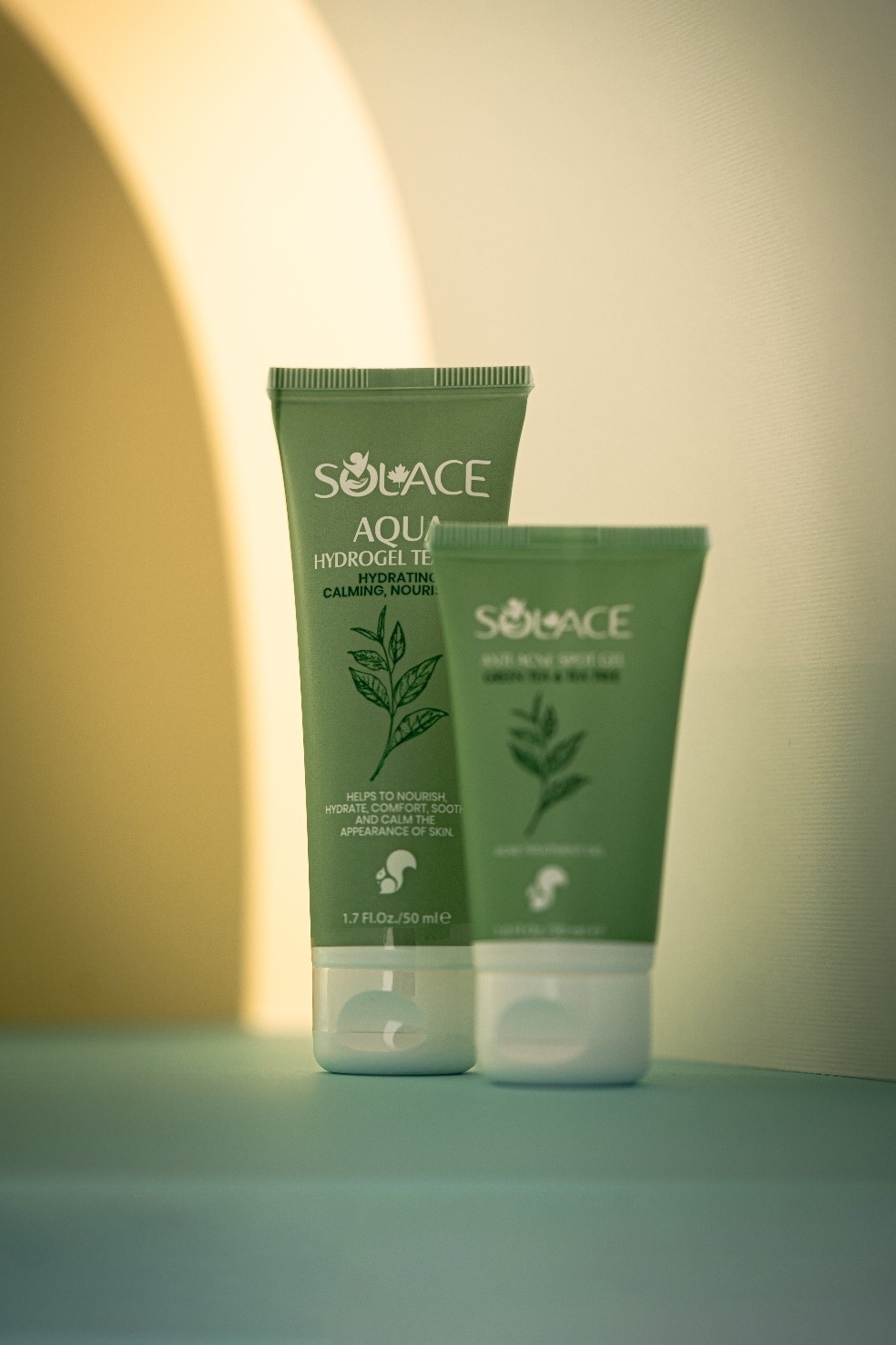
Solace Hydrogel Moisturizer for Polluted Skin

Hydrogel Moisturizer for Polluted Skin

Skin Care in Polluted Environments: Why Proper Hydration Is No Longer Optional

Air pollution is no longer a temporary environmental concern; it has become a permanent part of daily life in many urban regions. While its respiratory and cardiovascular consequences are widely discussed, the impact of air pollution on skin health is often underestimated.

The skin, as the body’s outermost protective organ, is in continuous direct contact with airborne pollutants, particulate matter, and environmental toxins. Over time, this constant exposure compromises skin integrity, accelerates dehydration, and disrupts normal barrier function. The result is not merely cosmetic dullness, but a measurable decline in skin health.

In polluted cities, individuals frequently report:

  • Increased skin sensitivity
  • Tightness after cleansing
  • Reduced luminosity and uneven texture
  • Persistent dryness despite moisturizer use

These symptoms are rarely superficial. In most cases, they reflect impaired skin hydration and a weakened epidermal barrier. Under such conditions, skincare is no longer a matter of aesthetics; it becomes a preventive health strategy.

Understanding the Problem Scientifically: How Air Pollution Dehydrates the Skin

What Is the Skin Barrier?

The skin barrier, primarily located in the stratum corneum, serves two critical functions:

  1. Preventing transepidermal water loss (TEWL)
  2. Protecting the skin from environmental aggressors

A healthy barrier maintains hydration, elasticity, and resilience. Once disrupted, the skin becomes vulnerable to dehydration, irritation, and inflammation.

How Pollution Damages the Skin Barrier

Fine airborne particles, particularly PM2.5 can settle on the skin surface and penetrate through follicles or microfissures. This leads to:

  • Increased oxidative stress
  • Degradation of epidermal lipids
  • Elevated TEWL
  • Reduced capacity for daily skin repair

Importantly, even oily or combination skin types can become functionally dehydrated under polluted conditions. This phenomenon is often mistaken for excess oil production, when in reality it is a compensatory response to water loss.

What Should an Effective Hydration Product Achieve?

In polluted urban environments, an ideal hydrating product should:

  • Restore lost moisture efficiently
  • Support barrier repair without occlusion
  • Avoid pore congestion or heaviness
  • Be suitable for daily, long-term use

This is where formulation texture and delivery system become clinically relevant.

Why Gel-Based Hydrators Are Better Suited for Polluted Environments

When the skin barrier is under environmental stress, the vehicle of hydration matters as much as the active ingredients.

Water-Based, Fast-Absorbing Systems

Hydrating gels formulated on a water base:

  • Absorb rapidly into the skin
  • Do not leave a heavy surface film
  • Allow physiological skin respiration

This makes them particularly suitable for daily use in polluted conditions, where excess residue may trap particulate matter.

Avoiding Additional Burden on Compromised Skin

Rich, oil-heavy formulations can:

  • Create a sensation of heaviness
  • Increase pore occlusion risk
  • Exacerbate sensitivity in compromised skin

Lightweight hydrating gels, by contrast, deliver moisture without adding mechanical or metabolic stress to the epidermis.

Gel vs Cream vs Serum: A Practical Comparison

  • Creams: Beneficial for severely dry skin but may feel occlusive in polluted climates
  • Serums: Highly concentrated but often require layering
  • Hydrating gels: Fast-absorbing, breathable, and ideal as a daily urban skincare base

For this reason, many dermatologists recommend hydrating gels as the cornerstone of skincare routines in polluted environments.

The Scientific Rationale Behind Solace Hydrogel Moisturizer

The Solace Hydrogel Moisturizer is a dermatologist-approved Canadian formulation, developed under international cosmetic manufacturing standards. Its formulation strategy is based on:

  • Evidence-based ingredient selection
  • Controlled active concentrations
  • A non-occlusive hydrogel matrix

Rather than offering a generic moisturizer, Solace focuses on urban-exposed, environmentally stressed skin, with special attention to skin types prone to dehydration and sensitivity.

The formulation has been adapted with consideration for:

  • Climatic variability
  • Increased pollution exposure
  • Skin profiles commonly observed in Middle Eastern and urban populations

This approach ensures compatibility with skin that simultaneously experiences dehydration, reactivity, and barrier instability.

Key Functional Ingredients and Their Clinical Role

Antioxidant Protection: Vitamin E (Tocopherol)

Vitamin E helps neutralize free radicals generated by pollution-induced oxidative stress. It also supports the preservation of epidermal lipids, which are essential for maintaining barrier integrity.

Anti-Inflammatory Support: Aloe Vera and Tea Tree Extract

  • Aloe vera helps soothe mild inflammation, redness, and irritation associated with environmental stress.
  • Tea tree extract provides antimicrobial and anti-inflammatory benefits, supporting skin health in polluted, bacteria-rich environments.

Barrier Support Without Greasiness: Avocado Oil (Controlled Dose)

In carefully regulated concentrations, avocado oil supplies essential fatty acids without clogging pores or creating occlusion making it suitable even for combination or sensitive skin.

Deep and Sustained Hydration: Hyaluronic Acid in a Hydrogel Matrix

Hyaluronic acid binds water within the epidermis, improving hydration and elasticity. The hydrogel structure:

  • Enables uniform distribution of actives
  • Maintains moisture without pore blockage
  • Enhances suitability for daily use in polluted air

How Solace Hydrogel Moisturizer Compares to Common Market Products

Feature Solace Hydrogel Moisturizer

Conventional Market Products

Formulation base

Water-based, lightweight hydrogel

Often oil-based or semi-occlusive

Absorption

Rapid, residue-free

Slower, may feel heavy

Pollution compatibility

Minimizes pollutant trapping

May retain particles on skin

Active concentration

Controlled, targeted

Variable, sometimes irritating

Suitability for sensitive skin

High

Inconsistent

Time to visible improvement

Short-term

Often requires layering

Clinical Case Experience: Pollution-Induced Dehydration

A 32-year-old urban resident with combination skin presented with persistent tightness, reduced radiance, and enlarged pores. Chronic exposure to polluted air was identified as the primary contributing factor.

Recommended Protocol

  • Solace Hydrogel Moisturizer applied twice daily
  • Applied to clean skin
  • No concurrent use of heavy creams

Observed Outcomes

  • Noticeable reduction in tightness within days
  • Improved softness and elasticity after two weeks
  • Enhanced skin clarity and reduced sensitivity

The patient reported a clear improvement in comfort and skin appearance, describing the experience as lightweight, effective, and professionally balanced.

Proper Usage Guidelines and Common Mistakes

Best Time to Apply

  • Morning: After cleansing, before sunscreen
  • Evening: Before bedtime to support overnight repair

Recommended Amount

A pea-sized to bean-sized amount is sufficient for the entire face.

Common Errors to Avoid

  • Applying over completely dry skin (slightly damp skin is ideal)
  • Combining with heavy occlusive products
  • Expecting results from irregular use

Final Thoughts: Making Informed Skincare Decisions in Polluted Environments

In environments where air pollution is unavoidable, skin hydration becomes a clinical priority rather than a cosmetic luxury. Supporting the skin barrier through proper hydration is essential for long-term skin health, comfort, and resilience.

The Solace Hydrogel Moisturizer offers a scientifically grounded, dermatologically approved solution for individuals seeking effective daily hydration without heaviness or irritation.

If pollution-related dryness, tightness, or sensitivity has become part of your daily experience, choosing a product aligned with your skin’s physiological needs; not generic recommendations is the most rational next step.

Detailed product information and purchasing options for the Solace Hydrogel Moisturizer are available on this page, allowing you to review and decide with confidence.

References

8 benefits of avocado oil for the skin

Topical Vitamin E in Modern Skin Therapy

Role Of Tea Tree Oil as A Skin Antimicrobial

Effects of hyaluronic acid on skin at the cellular level

Study on the application of Aloe vera in cosmetology and clinical treatment of skin diseases