


Skin Care in Polluted Environments: Why Proper Hydration Is No Longer Optional
Air pollution is no longer a temporary environmental concern; it has become a permanent part of daily life in many urban regions. While its respiratory and cardiovascular consequences are widely discussed, the impact of air pollution on skin health is often underestimated.
The skin, as the body’s outermost protective organ, is in continuous direct contact with airborne pollutants, particulate matter, and environmental toxins. Over time, this constant exposure compromises skin integrity, accelerates dehydration, and disrupts normal barrier function. The result is not merely cosmetic dullness, but a measurable decline in skin health.
In polluted cities, individuals frequently report:
- Increased skin sensitivity
- Tightness after cleansing
- Reduced luminosity and uneven texture
- Persistent dryness despite moisturizer use
These symptoms are rarely superficial. In most cases, they reflect impaired skin hydration and a weakened epidermal barrier. Under such conditions, skincare is no longer a matter of aesthetics; it becomes a preventive health strategy.
Understanding the Problem Scientifically: How Air Pollution Dehydrates the Skin
What Is the Skin Barrier?
The skin barrier, primarily located in the stratum corneum, serves two critical functions:
- Preventing transepidermal water loss (TEWL)
- Protecting the skin from environmental aggressors
A healthy barrier maintains hydration, elasticity, and resilience. Once disrupted, the skin becomes vulnerable to dehydration, irritation, and inflammation.
How Pollution Damages the Skin Barrier
Fine airborne particles, particularly PM2.5 can settle on the skin surface and penetrate through follicles or microfissures. This leads to:
- Increased oxidative stress
- Degradation of epidermal lipids
- Elevated TEWL
- Reduced capacity for daily skin repair
Importantly, even oily or combination skin types can become functionally dehydrated under polluted conditions. This phenomenon is often mistaken for excess oil production, when in reality it is a compensatory response to water loss.
What Should an Effective Hydration Product Achieve?
In polluted urban environments, an ideal hydrating product should:
- Restore lost moisture efficiently
- Support barrier repair without occlusion
- Avoid pore congestion or heaviness
- Be suitable for daily, long-term use
This is where formulation texture and delivery system become clinically relevant.
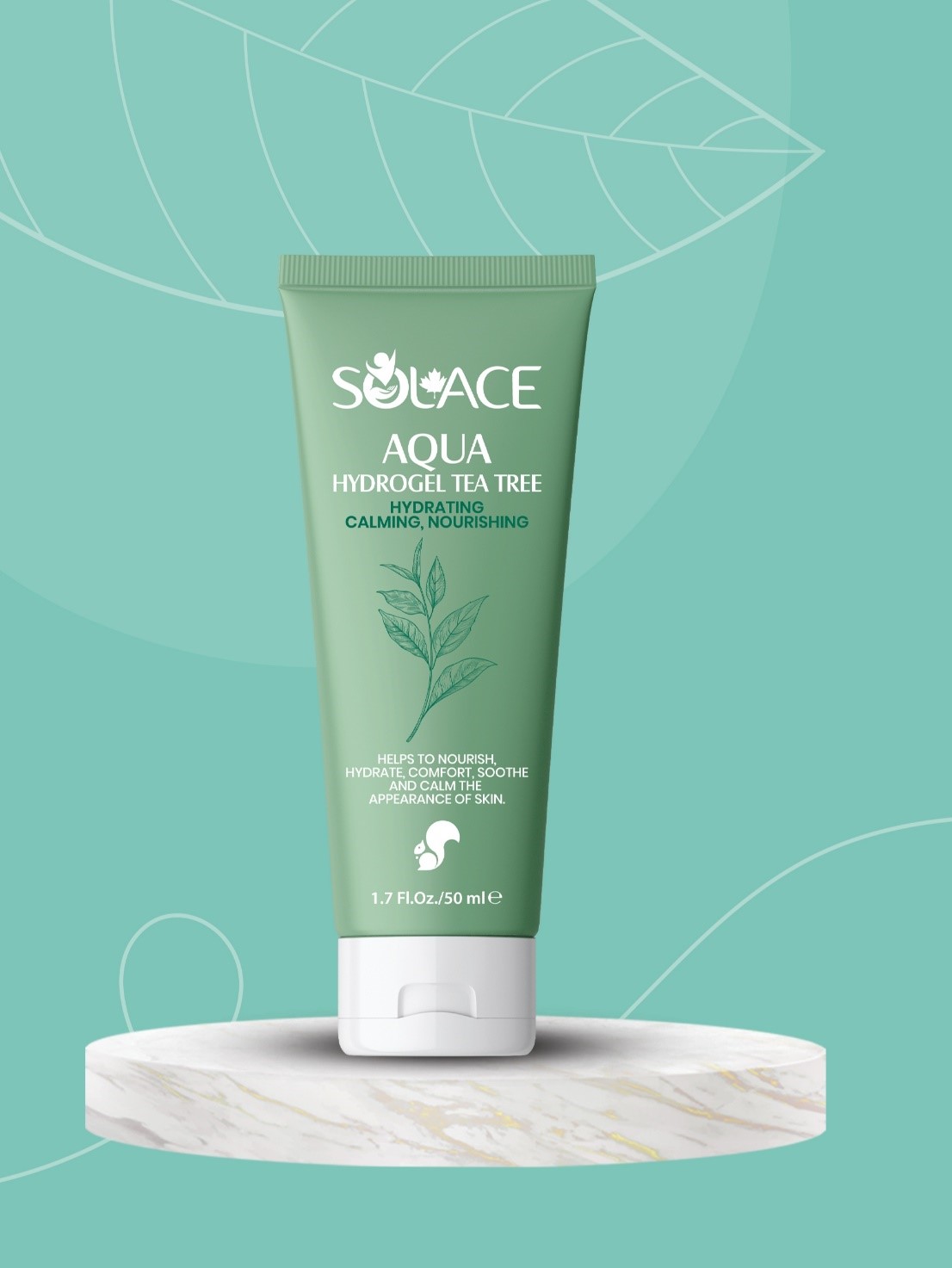
Why Gel-Based Hydrators Are Better Suited for Polluted Environments
When the skin barrier is under environmental stress, the vehicle of hydration matters as much as the active ingredients.
Water-Based, Fast-Absorbing Systems
Hydrating gels formulated on a water base:
- Absorb rapidly into the skin
- Do not leave a heavy surface film
- Allow physiological skin respiration
This makes them particularly suitable for daily use in polluted conditions, where excess residue may trap particulate matter.
Avoiding Additional Burden on Compromised Skin
Rich, oil-heavy formulations can:
- Create a sensation of heaviness
- Increase pore occlusion risk
- Exacerbate sensitivity in compromised skin
Lightweight hydrating gels, by contrast, deliver moisture without adding mechanical or metabolic stress to the epidermis.
Gel vs Cream vs Serum: A Practical Comparison
- Creams: Beneficial for severely dry skin but may feel occlusive in polluted climates
- Serums: Highly concentrated but often require layering
- Hydrating gels: Fast-absorbing, breathable, and ideal as a daily urban skincare base
For this reason, many dermatologists recommend hydrating gels as the cornerstone of skincare routines in polluted environments.
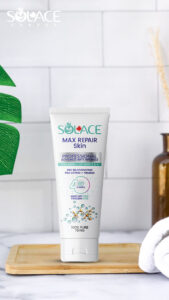
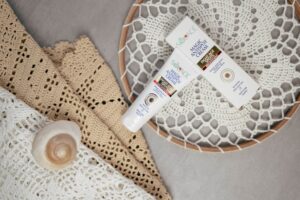
The Scientific Rationale Behind Solace Hydrogel Moisturizer
The Solace Hydrogel Moisturizer is a dermatologist-approved Canadian formulation, developed under international cosmetic manufacturing standards. Its formulation strategy is based on:
- Evidence-based ingredient selection
- Controlled active concentrations
- A non-occlusive hydrogel matrix
Rather than offering a generic moisturizer, Solace focuses on urban-exposed, environmentally stressed skin, with special attention to skin types prone to dehydration and sensitivity.
The formulation has been adapted with consideration for:
- Climatic variability
- Increased pollution exposure
- Skin profiles commonly observed in Middle Eastern and urban populations
This approach ensures compatibility with skin that simultaneously experiences dehydration, reactivity, and barrier instability.
Key Functional Ingredients and Their Clinical Role
Antioxidant Protection: Vitamin E (Tocopherol)
Vitamin E helps neutralize free radicals generated by pollution-induced oxidative stress. It also supports the preservation of epidermal lipids, which are essential for maintaining barrier integrity.
Anti-Inflammatory Support: Aloe Vera and Tea Tree Extract
- Aloe vera helps soothe mild inflammation, redness, and irritation associated with environmental stress.
- Tea tree extract provides antimicrobial and anti-inflammatory benefits, supporting skin health in polluted, bacteria-rich environments.
Barrier Support Without Greasiness: Avocado Oil (Controlled Dose)
In carefully regulated concentrations, avocado oil supplies essential fatty acids without clogging pores or creating occlusion making it suitable even for combination or sensitive skin.
Deep and Sustained Hydration: Hyaluronic Acid in a Hydrogel Matrix
Hyaluronic acid binds water within the epidermis, improving hydration and elasticity. The hydrogel structure:
- Enables uniform distribution of actives
- Maintains moisture without pore blockage
- Enhances suitability for daily use in polluted air
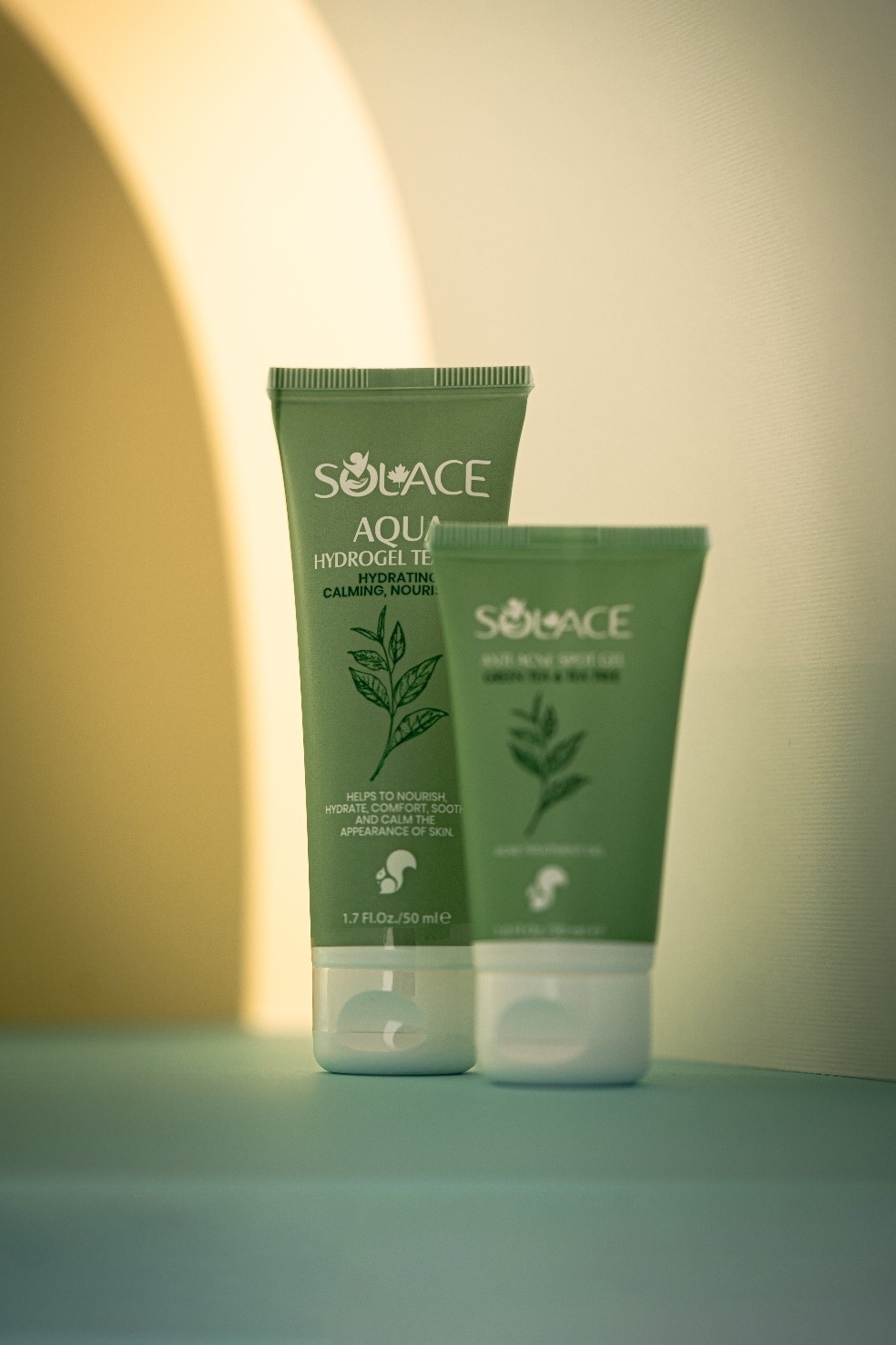
How Solace Hydrogel Moisturizer Compares to Common Market Products
| Feature | Solace Hydrogel Moisturizer |
Conventional Market Products |
| Formulation base |
Water-based, lightweight hydrogel |
Often oil-based or semi-occlusive |
| Absorption |
Rapid, residue-free |
Slower, may feel heavy |
| Pollution compatibility |
Minimizes pollutant trapping |
May retain particles on skin |
| Active concentration |
Controlled, targeted |
Variable, sometimes irritating |
| Suitability for sensitive skin |
High |
Inconsistent |
| Time to visible improvement |
Short-term |
Often requires layering |
Clinical Case Experience: Pollution-Induced Dehydration
A 32-year-old urban resident with combination skin presented with persistent tightness, reduced radiance, and enlarged pores. Chronic exposure to polluted air was identified as the primary contributing factor.
Recommended Protocol
- Solace Hydrogel Moisturizer applied twice daily
- Applied to clean skin
- No concurrent use of heavy creams
Observed Outcomes
- Noticeable reduction in tightness within days
- Improved softness and elasticity after two weeks
- Enhanced skin clarity and reduced sensitivity
The patient reported a clear improvement in comfort and skin appearance, describing the experience as lightweight, effective, and professionally balanced.
Proper Usage Guidelines and Common Mistakes
Best Time to Apply
- Morning: After cleansing, before sunscreen
- Evening: Before bedtime to support overnight repair
Recommended Amount
A pea-sized to bean-sized amount is sufficient for the entire face.
Common Errors to Avoid
- Applying over completely dry skin (slightly damp skin is ideal)
- Combining with heavy occlusive products
- Expecting results from irregular use
Final Thoughts: Making Informed Skincare Decisions in Polluted Environments
In environments where air pollution is unavoidable, skin hydration becomes a clinical priority rather than a cosmetic luxury. Supporting the skin barrier through proper hydration is essential for long-term skin health, comfort, and resilience.
The Solace Hydrogel Moisturizer offers a scientifically grounded, dermatologically approved solution for individuals seeking effective daily hydration without heaviness or irritation.
If pollution-related dryness, tightness, or sensitivity has become part of your daily experience, choosing a product aligned with your skin’s physiological needs; not generic recommendations is the most rational next step.
Detailed product information and purchasing options for the Solace Hydrogel Moisturizer are available on this page, allowing you to review and decide with confidence.
References
8 benefits of avocado oil for the skin
Topical Vitamin E in Modern Skin Therapy
Role Of Tea Tree Oil as A Skin Antimicrobial
Effects of hyaluronic acid on skin at the cellular level
Study on the application of Aloe vera in cosmetology and clinical treatment of skin diseases


No comment yet, add your voice below!