


Why Your Heart Races at Night: The Real Causes of Night Heart Palpitations
Imagine a night when the lights are out, there is a long silence in the house, everything is quiet except your heart! Suddenly you wake up and feel your chest pounding like the drum of a rock band. You put your hand on your heart and say to yourself, “Do you mean I’m having a stroke now?». That’s when fear comes into your life, a fear that many people may have experienced, but few talk about. Why should a person’s heart beat in the middle of the night, just when everything is quiet?
Common Causes of Heart Palpitations in Sleep
Heart palpitations are common in dreams and, contrary to popular belief, are not always a sign of serious heart disease. But ignoring it is also not wise. In the following, we will learn about the reasons for this phenomenon:
1- Anxiety and Hidden Stress
Our minds sometimes don’t stop working, even in sleep. Daytime stresses, job worries, or even nightmares can trigger the nervous system at night and cause the heart to beat faster.
2- Heavy and high-fat dinner
A heavy daisy or plate full of chilouk kebabs just before bed can make the digestive system overwork. This puts pressure on the heart and results in a nighttime beat.
3- Caffeine intake and stimulants
Evening tea, coffee, energy drinks, or even certain medications are stimulants of the nervous system. When you put your head on the pillow at night, the effect of these fresh substances shows itself.
4- Thyroid and hormonal problems
Hyperthyroidism or hormonal disorders can cause a rapid heartbeat during the night.
5- Arrhythmias and hidden heart disease
Sometimes nocturnal heart palpitations are due to a disturbance in the heart’s electrical system (arrhythmias). This type of palpitation requires serious examination by a cardiologist.
6- Sleep apnea (interruption of breathing during sleep)
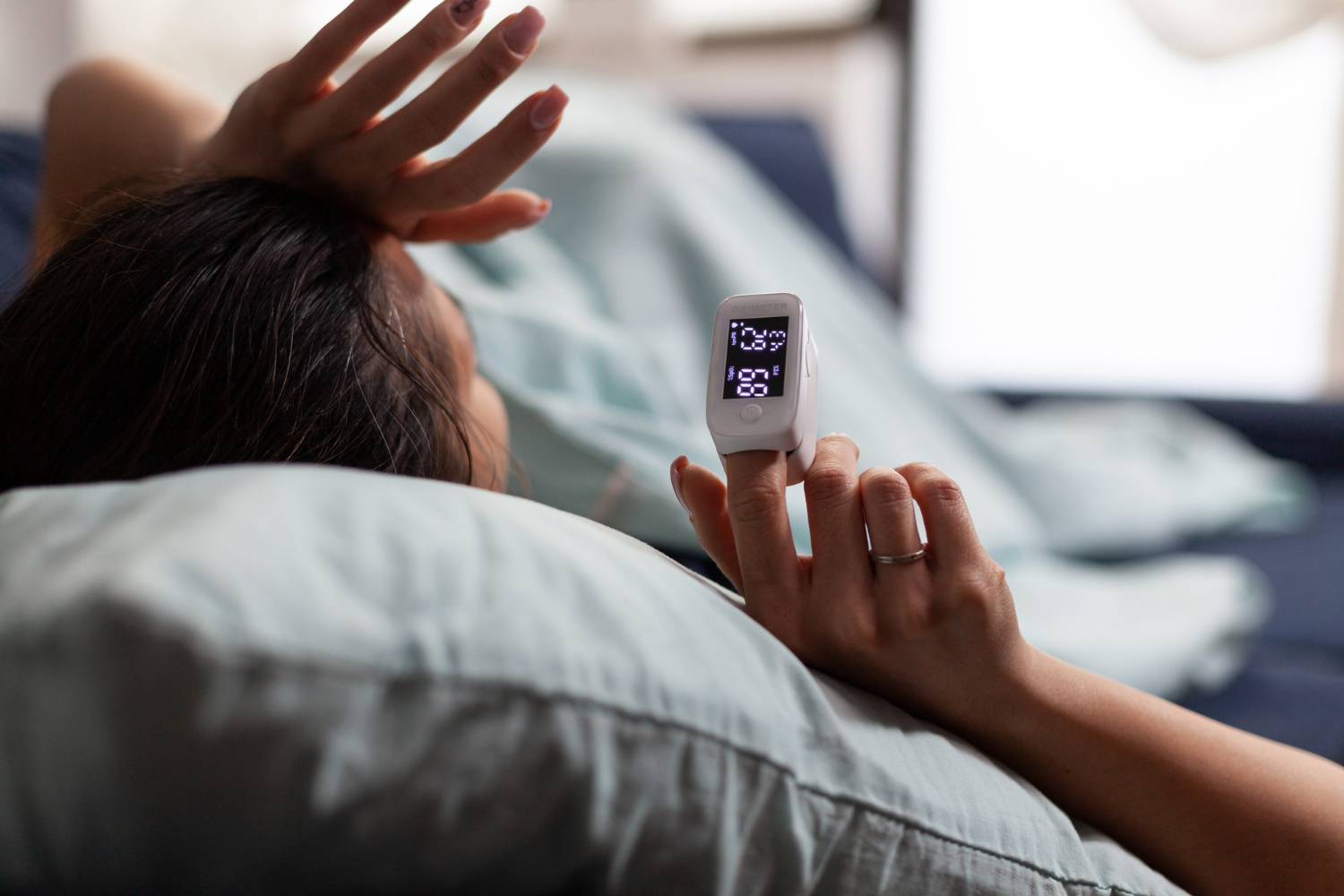
One of the most important and lesser-known causes is the interruption of breathing in sleep. When blood oxygen drops, the heart is forced to work faster.
7- Mineral deficiencies and anemia
A deficiency of iron, magnesium, or potassium can upset the heart’s electrical balance and cause the heart to palpitate in sleep.
8- Specific medications and stimulants
Some medications, such as weight loss medications or nasal decongestants, overactivate the heart at night.
When should we be worried?
Heart palpitations in a dream are not always dangerous. But sometimes this symptom can be a serious alarm. The difference between a transient pulsation and an alarming situation is crucial.
Transient heart palpitations:
- It rarely occurs;
- No other symptoms;
- It is short-lived (a few seconds to a few minutes);
- It usually occurs after eating heavy food or consuming caffeine.
Heart palpitations with danger signs:
If your heart palpitations are accompanied by any of the following symptoms, you should see a doctor immediately:
- cold and sudden sweating;
- pain or pressure in the chest;
- fainting or loss of consciousness;
- dizziness or blackening of the eyes;
- Severe shortness of breath or a feeling of suffocation.
These symptoms can be a sign of serious heart disease, dangerous arrhythmias, or even a heart attack.
Methods of Detecting the Cause of Night Heart Palpitations
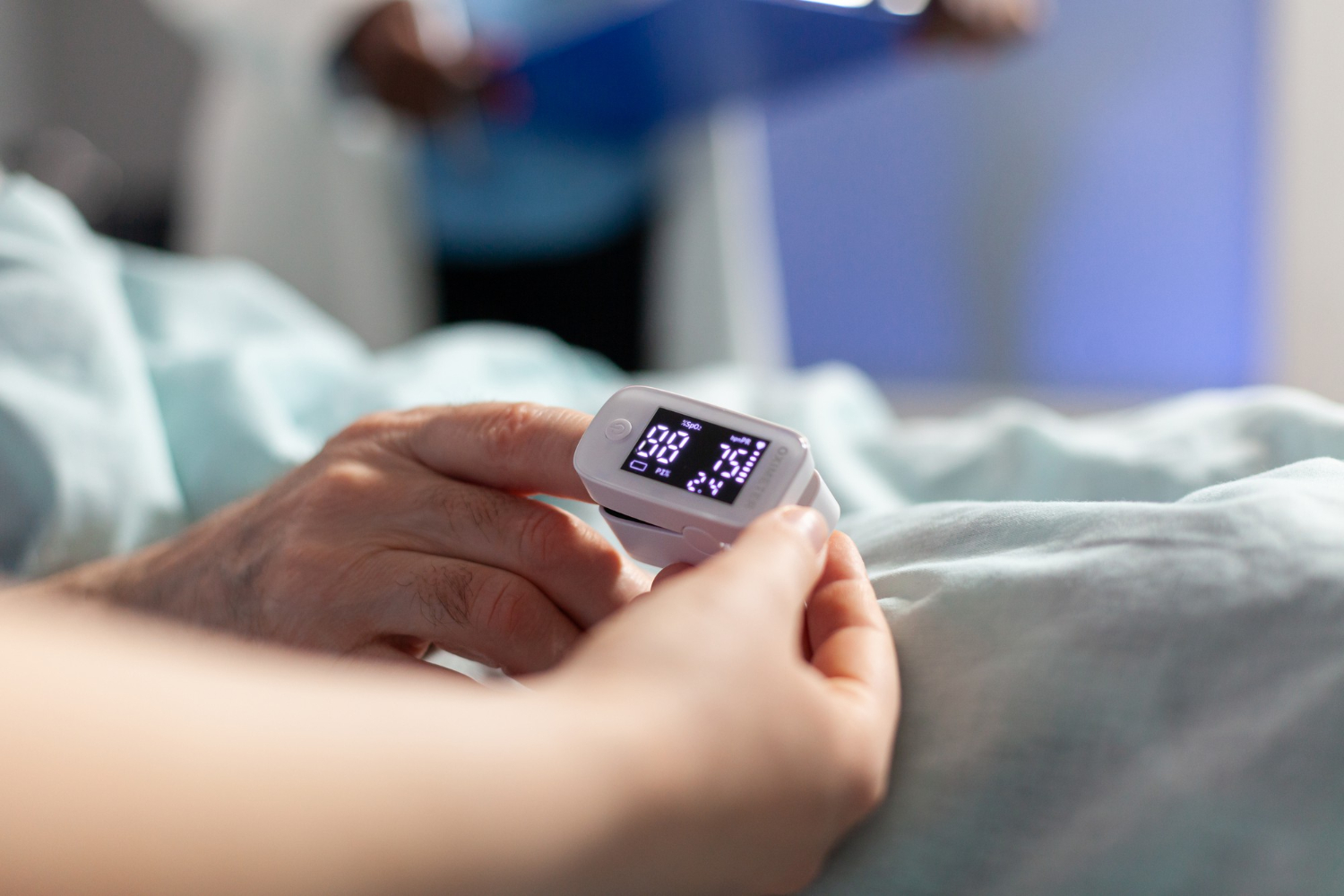
Correct diagnosis is the key to effective treatment. Heart palpitations in dreams have several causes, and it is not possible to find its root just by speculating. Doctors use a variety of tools and tests to identify the underlying cause:
- ECG: A simple and quick test to check the heart’s rhythm and electrical activity.
- 24- to 48-hour Holter Monitoring: A small device that records your heart rhythm throughout the day and night, especially when palpitations occur occasionally.
- Blood test: Checking thyroid status, hemoglobin levels, and electrolytes (potassium, sodium, magnesium) to find underlying factors.
- Echocardiogram: Detailed imaging of the structure and function of the heart.
- Sleep test: If sleep apnea is suspected, this test checks blood oxygen levels, sleep quality, and breathing interruptions.
Simple Strategies to Reduce Heart Rate in Sleep
Night heart palpitations don’t always mean illness. This can often be prevented by changing a few small habits.
1- Dinner Management
- Eat simple and light: Replace dinner with vegetable soup, light chicken feed, or a protein salad instead of daisy or heavy pilaf.
- Dinner time is important: Eat dinner at least 3 hours before bed so that your stomach has a chance to digest. Sleeping on a heavy stomach inadvertently forces the heart to overwork.
- Less volume, more frequency: If you’re very hungry, lighten up dinner and eat some healthy snacks like fruit or nuts later.
2- Control of Caffeine Consumption and Stimulants
- Set aside strong tea, coffee, or energy drinks after 6 p.m.
- If you are used to drinking tea at night, it is better to use relaxing teas such as chamomile or borage (in small amounts and under the supervision of a doctor if taking medication).
3- Sleep hygiene
- Quiet and dark environment: Turn off your phone and TV half an hour before bedtime. Blue screen light can irritate the nervous system.
- Cool Room: A temperature of 18 to 22 degrees is ideal for sleeping. A warm room can both ruin sleep and cause an increase in heart rate.
- Consistency in the bedtime: Sleep at about a certain time each night until the body finds a normal rhythm.
4- Relaxation before bed
- A few minutes of deep breathing (4 seconds inhalation, 4 seconds inhalation, 4 seconds exhalation) can lower the heart rate.
- A short walk later in the evening will help to relax the body.
- Writing down worries before bed in a notebook is a kind of emotional drain that lightens the mind and calms the heart.
5- Avoiding smoking and alcohol
These two substances not only increase heart rate, but also lower the quality of sleep.
Misconceptions About Heart Palpitations in Dreams
Many patients have beliefs that can be dangerous when they talk about night heart palpitations. Let’s clarify a few common ones:
- Heart palpitations are just from stress, so it’s not serious.
It’s true that stress is one of the most common causes, but it’s not always the main one. Arrhythmias, sleep apnea, or thyroid problems can also be a factor. Ignoring this symptom may delay the diagnosis of a serious illness.
- Everything is made with herbal extracts.
Traditional distillates such as burdock or orange may be soothing, but they are not a radical remedy. If the cause of heart palpitations is a serious disorder such as hyperthyroidism or arrhythmia, the use of medicinal herbs will only cover the symptom and delay treatment.
- If I don’t have any problems during the day, then my heart is healthy.
Some heart problems (such as nocturnal arrhythmias or sleep apnea) only occur at bedtime. The absence of symptoms during the day is not a guarantee of heart health.
- Because I’m young, it’s safe to beat at night.
Early age does not prevent heart problems. Even young people may experience night palpitations due to anemia, thyroid problems, or heart rhythm disorders.
Final Thoughts
Heart palpitations in a dream can range from a simple and transient issue to a serious sign of heart disease. Sometimes it’s just a reminder of a stressful day, and sometimes it can be a warning from the heart that needs to be carefully examined. Along the way, the best decision is to leave the diagnosis and follow-up to the specialist. Seeing a cardiologist means choosing the safest and most scientific way to relax your heart And your imagination. At Jam Medical Complex, the presence of Iran’s most prominent cardiologists has provided the opportunity to turn your worries into a safe peace instead of turning into nightmares. We believe that your heart deserves the best care.
Resources
Clinical relevance of arrhythmias during sleep
Sleep Apnea and Nocturnal Cardiac Arrhythmia
Clinical relevance of arrhythmias during sleep: guidance for clinicians







No comment yet, add your voice below!