
Fragrance-free Sunscreen for migraine

When Sun Protection Triggers Discomfort: Rethinking Sunscreen for Sensory-Sensitive Skin
For individuals who have learned through experience that even a few moments after applying sunscreen, its scent can trigger head pressure or the onset of a migraine, daily sun protection becomes a dilemma rather than a routine. On the one hand, dermatologic science consistently emphasizes the importance of broad-spectrum sunscreen for preventing photoaging, inflammation, and skin cancer. On the other hand, the immediate sensory burden, particularly fragrance can make continued use intolerable.
This tension is especially common among people with migraine disorders or heightened sensory sensitivity. The sunscreen has barely settled on the skin when a sharp or lingering scent provokes discomfort: pressure behind the eyes, heaviness in the head, restlessness. In that moment, the individual is forced into an unfair choice:
- tolerate sensory discomfort and risk triggering a migraine, or
- abandon sunscreen altogether, despite knowing its long-term importance for skin health.
This is not a matter of being “overly sensitive.” For many migraine sufferers, olfactory stimuli are well-documented triggers. Even brief exposure to certain fragrances can initiate neurological responses. As a result, many sunscreens marketed as “gentle” or “for sensitive skin” still fail in real-world use for this population.
The outcome is often inconsistent application, using sunscreen only on special occasions or complete avoidance. Over time, this leaves the skin unprotected against UVA and UVB radiation, accelerates photoaging, and increases inflammatory burden.
This article begins from a different premise: people should not have to choose between neurological comfort and dermatologic protection. An appropriate sunscreen for sensory-sensitive individuals must be fragrance-free, lightweight, fast-absorbing, and essentially unnoticeable after application. It should be a product you can apply and then forget, not one that demands constant awareness of its presence.
The Role of Texture and Sensory Experience in Daily Sun Protection
1- Why scent and feel matter more than marketing claims
In daily skincare use, the most influential factors are rarely the SPF number or packaging claims. Instead, users respond first to texture, scent, and how the product behaves on the skin. For individuals prone to migraines or sensory overload:
- Fragrance is not a benefit; it is a potential trigger.
- Heavy or greasy textures create a sense of pressure and discomfort.
- Residual stickiness or white cast discourages consistent use.
For this reason, fragrance-free creams and gel-based sunscreens are not merely preferences in this group; they are functional requirements.
2- Cream, light cream, or gel-cream: why formulation base matters
The formulation base plays a decisive role in tolerability:
- Rich creams are often appropriate for very dry skin but tend to feel heavy and occlusive, making them unsuitable for daily facial use in many climates.
- Light creams absorb more readily but may fail to provide sustained hydration.
- Gel-cream (hydrogel) formulations combine rapid absorption, a cooling sensation, and continuous hydration making them a logical option for sensitive, combination, or oil-prone skin.
For individuals living in Canada, the United States, and much of Europe, where climates range from cold and dry winters to warm, humid summers, this balance is particularly important. Skin may experience dehydration from cold air and indoor heating, followed by increased oil production in warmer months. A hydrogel sunscreen adapts more effectively to these shifts.
3- Continuous hydration as a comfort factor
Dryness itself can create sensations of tightness and irritation; sensations that are especially uncomfortable for migraine-prone individuals. A sunscreen that provides both UV protection and sustained hydration reduces the likelihood of sensory discomfort and significantly increases adherence.
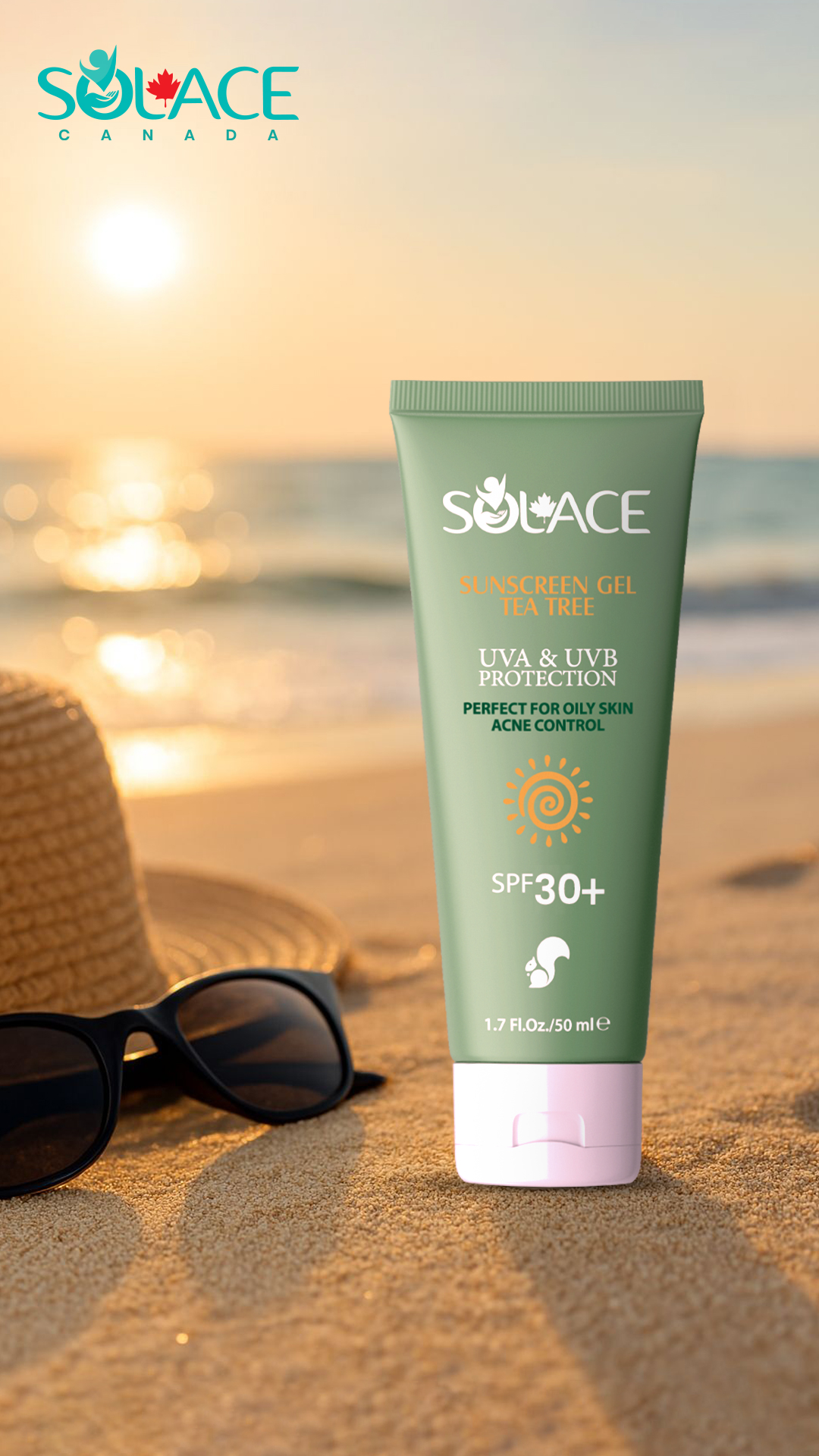
User Experience: “I Forgot I Was Wearing Sunscreen”
For someone sensitive to migraines, sunscreen use is often accompanied by hesitation. After application, the first unconscious check is not the mirror; it is the body’s response: Will pressure start? Will the headache build?
The following account reflects feedback from a Solace sunscreen gel-cream user: a 34-year-old woman with a long history of moderate to severe migraines, who had previously limited sunscreen use because of sensitivity to fragrance and texture.
“For years, sunscreen was something I used reluctantly. Every new product meant waiting a few minutes to see if my head would start to ache. I came across this gel-cream sunscreen on Instagram, almost by chance, and decided to give it one tries without expectations. When I opened it, the first thing I noticed was that there was essentially no smell. It absorbed quickly, didn’t leave my skin sticky or heavy, and most importantly nothing happened neurologically. No pressure, no warning signs. That simple sense of safety meant I didn’t rush to wash it off. I kept using it the next day, and the day after. For the first time, sunscreen became part of my routine rather than a calculated risk.”
This kind of experience, quiet, uneventful, and reassuring is often the true benchmark of success for sensory-sensitive users.
Ingredients and Formulation: Effective Protection Without Sensory Load
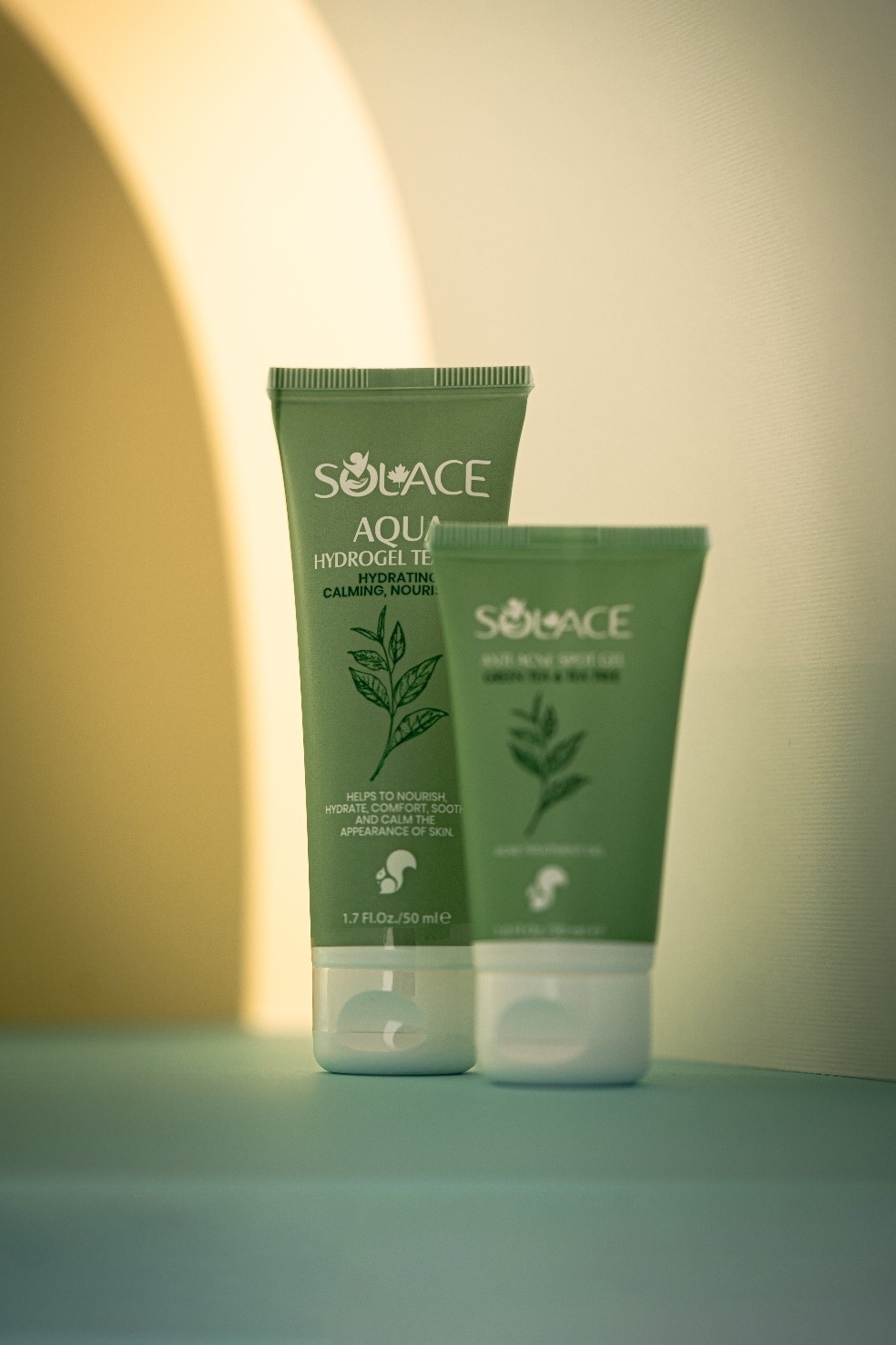
A sunscreen suitable for migraine-prone or sensitive individuals must balance clinical efficacy with low sensory impact. The formulation choices in Solace gel-cream sunscreen reflect this principle.
1- Broad-spectrum UV protection
- Carefully selected physical and chemical UV filters provide stable, broad-spectrum protection against both UVA and UVB radiation.
- The formulation avoids the need for heavy layering, supporting daily use without occlusion.
2- Calming and balancing components
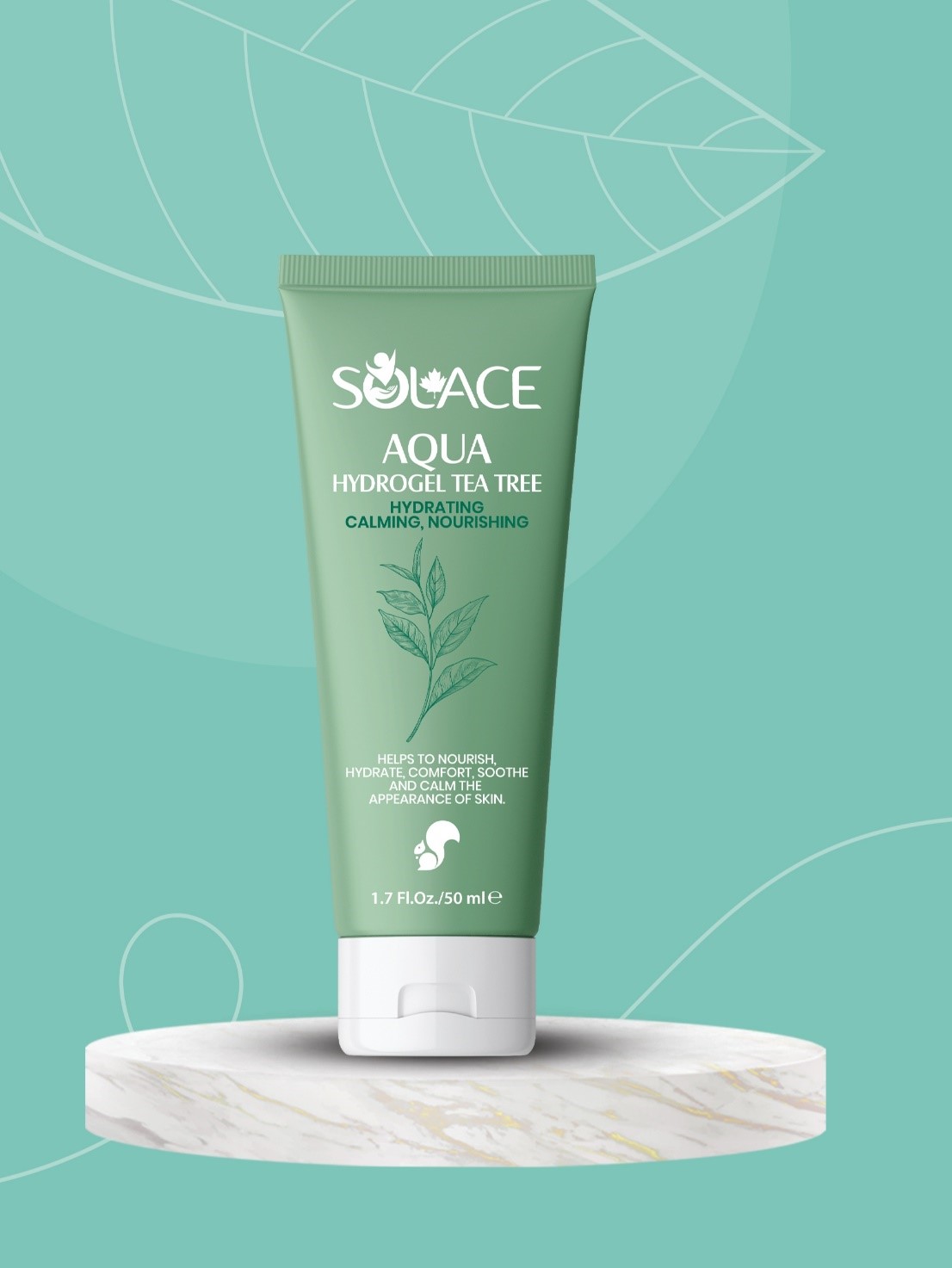
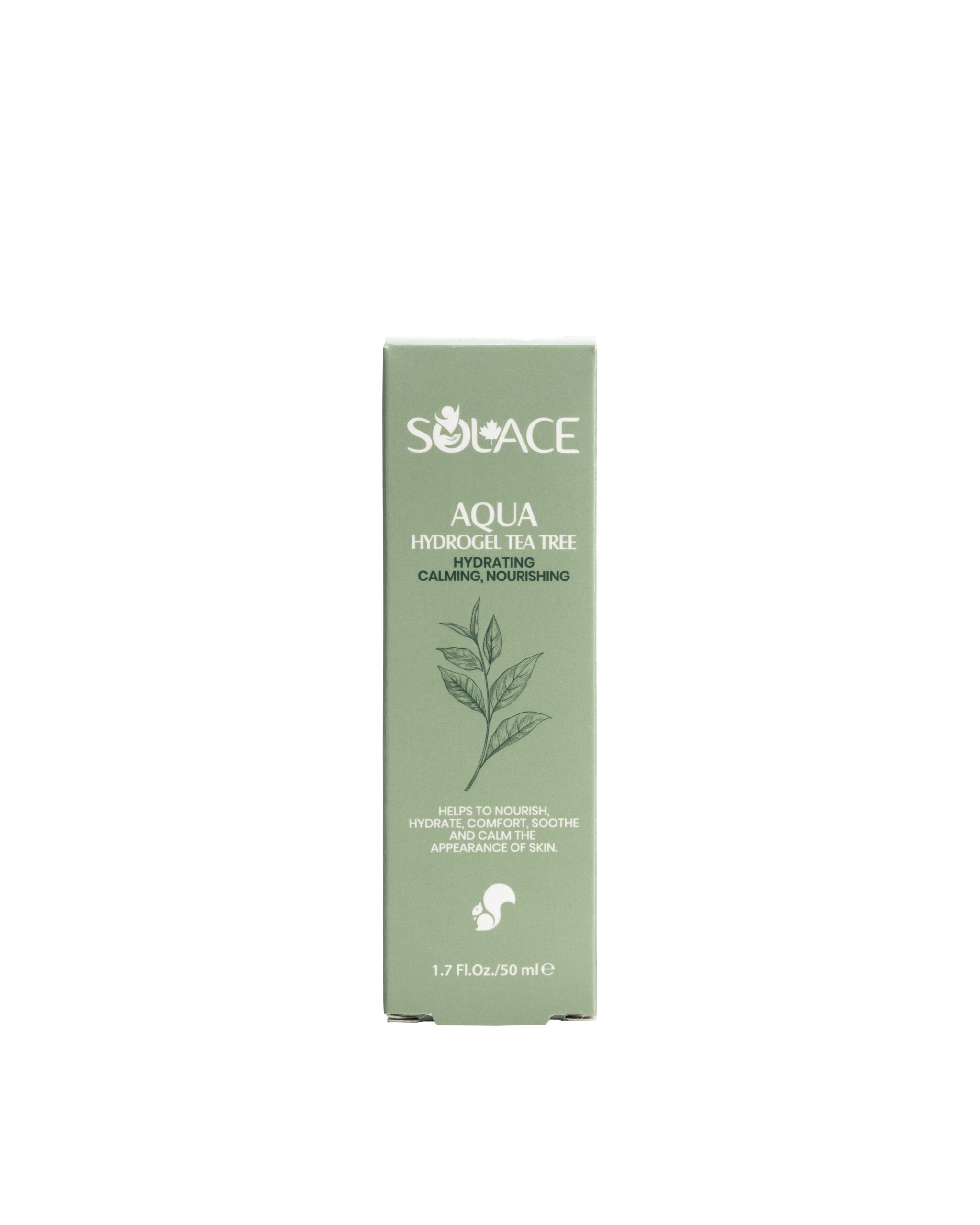
- Tea tree leaf extract (Melaleuca alternifolia) contributes to oil regulation and helps reduce inflammation, without imparting a sharp or lingering scent.
- Aloe vera delivers mild cooling and supports redness reduction following sun exposure.
3- Hydration and barrier support
- Hydrogel technology ensures even hydration without greasiness or sensory pressure.
- Vitamin E provides antioxidant support and contributes to long-term skin softness.
- Hydrolyzed collagen and shea butter, used in controlled balance, enhance skin smoothness and prevent dehydration without heaviness.
4- Resulting sensory profile
- Rapid absorption
- No white cast
- No sticky residue
- No added fragrance
- Suitable for sensitive, combination, and oil-prone skin types
How Solace Differs From Conventional Sunscreens
For individuals with migraines, sunscreen comparison rarely begins with price or SPF. It begins with lived experience.
Many users have tried multiple sunscreens; high-end, pharmacy brands, “sensitive skin” labels only to abandon them after one or two uses. The reasons are consistent:
- Fragrance
- Heaviness
- Delayed sensory discomfort
Most conventional sunscreens, even when marketed as mild, contain noticeable scents. For a migraine-prone user, that alone can end the trial.
Solace distinguishes itself in areas that are often overlooked:
Fragrance-free by design
No added scent, no masking fragrance. The formulation prioritizes low-irritation raw materials suitable for olfactory-sensitive users.
Lightweight hydrogel texture
Absorbs quickly, leaves no perceptible film, and avoids the sensation of pressure on the skin.
No white cast or excess shine
Maintains cosmetic comfort across different skin tones and climates, including humid summers and dry winters common in North America and Europe.
Designed for real-world use
Developed with a dermatologic, health-focused approach for consistent daily application; not occasional or reluctant use.
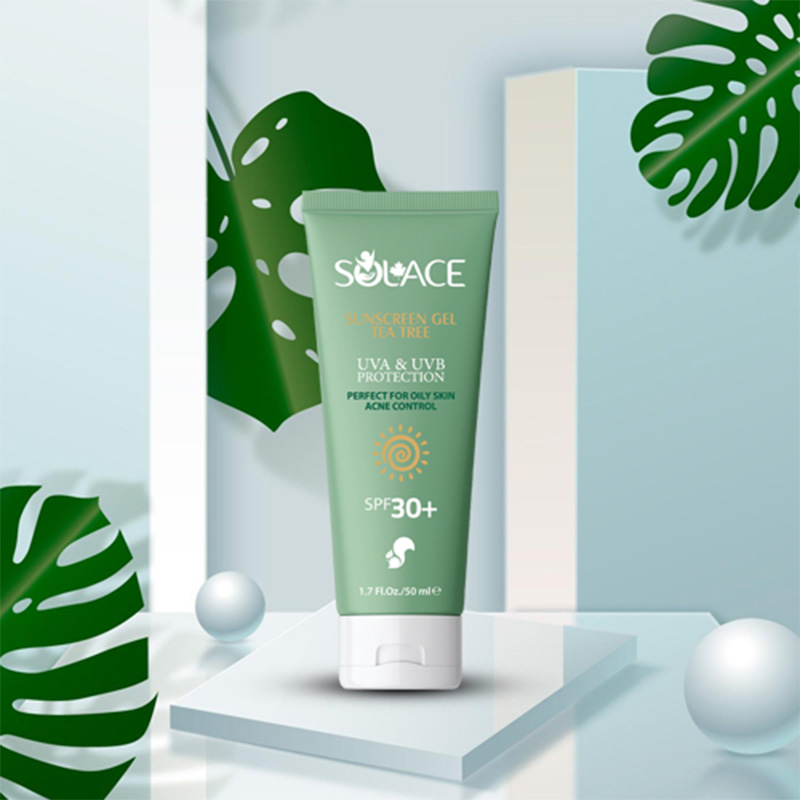
Integrating Solace Sunscreen Into a Daily Routine
How much to apply
For face and neck: approximately two finger lengths of product.
When to apply
Apply to clean, dry skin before sun exposure.
What to use before
If needed, a lightweight, fragrance-free serum only. Heavy products before sunscreen are not recommended.
What to use after
No additional moisturizer is necessary. The hydrogel base provides sufficient baseline hydration. Makeup layers comfortably over the product.
Reapplication
Reapply every 2–3 hours when exposed to sunlight.
If sweating has been minimal, full cleansing before reapplication is not required; apply gently over the previous layer.
For migraine-prone individuals, the ability to reapply without increasing sensory discomfort is a significant advantage.
Final Thoughts
For someone living with migraines or heightened sensory sensitivity, a “good” sunscreen is not merely one that blocks ultraviolet radiation. It is one that can be used consistently, even on the third or fourth application of the day, without fragrance, without sensory pressure, and without fear of triggering discomfort.
Solace was developed with this exact philosophy: a Canadian health-oriented brand with a dermatologic approach, relying on low-irritation ingredients and a formulation compatible with the diverse climates of Canada, the United States, and Europe. The result is a lightweight, fragrance-free sunscreen designed for real life; not just theoretical skin protection.
If you are looking for a sunscreen you can use every day, without worrying about scent-related discomfort or migraine triggers, exploring and purchasing Solace fragrance-free gel-cream sunscreen may be a safe and practical choice.
References
Ethylhexyl methoxycinnamate in sunscreen
Titanium Dioxide Nanoparticles in sunscreens
Vitamin E in Skincare: What It Is and How to Use It
Vitamin C, Topical Retinoids, and Sunscreen in Clinical Practice
Efficacy and safety of Melaleuca alternifolia (tea tree) oil for human health