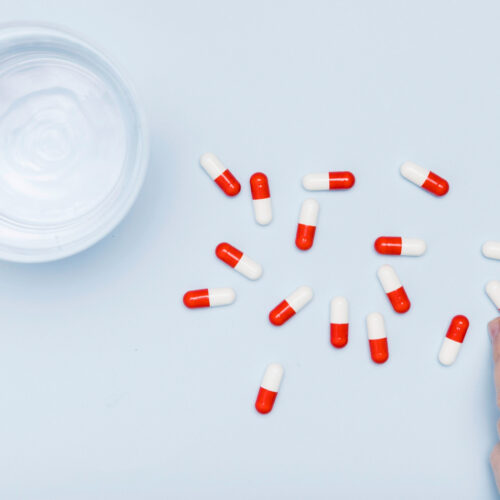

10 Days to Boost Fertility

How to Effectively Improve Sperm Quality Sperm quality and health is the most important factor in male fertility. It not only directly impacts fertility but also affects the health of the baby. During recent decades, with changes in lifestyle, reduced physical activity, increased stress, and poor nutrition, many men faced problems relating to sperm quality. However, studies have proved that positive changes in diet, physical activity, and the way stress is managed bring significant improvements in sperm quality. In the following article, I’ll share with you scientific and practical ways to strengthen sperm within 10 days so that you can see results as soon as possible in enhancing sperm quality.

Factors affecting sperm quality

  1. Proper nutrition

The nutritional factor is probably one of the most influential on sperm quality. Nutritional intake is thus related to direct biological processes-the development and the quality of the sperm. Therein, crucial among nutrients to protect and vitalize the sperm are


  • Vitamin C

It is one among the most powerful antioxidants that reduce the damage imparted by oxidative stress in the body. Oxidative stress can wreak havoc on sperm and deteriorate its quality. Daily intake of vitamin C has been shown to increase sperm count and motility.

  • Vitamin D

Vitamin D facilitates the secretion of testosterone, and testosterone is overall responsible for producing or developing sperms within the testicles. Vitamin D deficiencies implicate an insignificant or inferior count of sperm or poor quality in general. Hence, it is also recommended to obtain adequate vitamin D through nutrition-such as consuming fatty fish-particularly in case of lack of sunlight.

  • Zinc

It’s a mineral responsible for huge contributions to the development of healthy sperm. It has been found through research that those men who face zinc deficiencies usually record a decline in the quality of their sperm. Red meat, legumes, and seeds are food that contains zinc which will help in improving sperm quality.

  • Selenium

Another antioxidant that is drawing some attention regarding healthy sperm is selenium. Poor intake of selenium can lead to poor count and quality of sperm. It can be found in fish, Brazil nuts and whole grains.

  • Healthy foods

Diets abundant in foods high in antioxidants include fresh fruits, especially berries, citrus fruits, and leafy green vegetables; these help reduce oxidative damage and improve sperm quality. Foods containing healthy fats include avocados, olive oil, and fatty fish; these will raise sperm health with their omega-3 fatty acids.

  1. Exercise and physical activity

It will have a direct positive effect on sperm quality by exercising. It may improve nutrition and oxygenation to sperm-producing cells by increasing the blood flow through the testes. Different types of physical activities help in maintaining a proper sperm count.

  • Aerobic exercise

Running, brisk walking, and swimming increase the blood supply to the reproductive organs. Increased blood flow to testicles enhances the nutrition of the sperm and reduces oxidative damage in this area.

  • Resistance training

On the other hand, strength training such as weight training secretes testosterone hormones, which help in sperm production. However, too much exercise would yield an opposite effect where poor sperm quality would be experienced. For that, balance in training exercise is highly important.

  1. Avoidance of harming factors

Many external factors could negatively influence the quality of the sperm. Knowledge about the factors can ensure avoiding them thus making the sperms stronger.

  • Consumption of alcohol and tobacco

Alcohol and tobacco use extremely lower the quality of sperms. Alcohol consumption may lower sperm count and motility. Tobacco, on extreme level, reduces the quality of sperm due to oxidative stress or due to damage to sperm DNA. Reduction or cutting down on intake of alcohol and tobacco may positively affect the quality of sperm in the short term.

  • Stress

Chronic stress lowers the level of testosterone, hence decreasing the amount of sperm produced. Managing stress, such as by meditation and deep breathing, will help in empowering the sperms.

  • Overweight/Obesity

Overweight and obesity can make sperm quality worse because of hormonal changes and oxidative stress. The quality of sperm improves with a reduction in weight and maintaining a lean body through healthy nutrition and regular physical activity.

Practical tips to enhance sperm within 10 days

  1. Diet plan

A dietary plan needs to be chalked out within a span that would enhance the quality of sperms within 10 days by incorporating all vitamins and nutrients required for building up and strengthening of the sperm. Improvement in sperm count, quality and motility through diet is guaranteed. The daily diet recommendation prescribed involves:

  • Breakfast

Scrambled Eggs with whole meal bread, Avocado, and a glass of fresh orange Juice – to procure Vitamin C.

  • Snack

A handful of nuts and seeds, for instance, almonds or walnuts contain omega-3 fatty acids and selenium.

  • Lunch

Fatty fish, such as salmon and tuna, coupled with a salad of fresh vegetables drizzled with olive oil, will contribute to vitamin D and antioxidants in the diet.

  • Afternoon Snack

Greek yogurt with berries, topped with dried nuts to consume protein and antioxidants.

  • Dinner

Poultry like chicken or turkey with brown rice and cooked vegetables. This gives good food providing protein and B vitamins.

Nutritional supplements can also increase your sperm significantly. Nutritional supplements rich in minerals such as zinc, L-arginine, selenium, and vitamin E make sperm productive and mobile. A physician has to be consulted to give nutritional supplements.

  1. Work-out routine

It also means that regular physical activity is one of the keys toward better health in general, and thus toward sperm health. During these 10 days, the exercises should be directed at improving blood flow and stimulating those hormones which are responsible for sexual health. The following regime is advisable:

  • Days 1 to 5

Aerobic workouts, such as jogging, cycling, or brisk walking, should be for 30 minutes; it increases the amount of oxygen reaching the cells and improves blood flow in the body.

  • Days 6 to 10

Aerobic exercise along with light strength training-such as light weight training or bodyweight exercises-which will raise levels of testosterone and improve sexual ability

  • Stretching and relaxation exercises

Stretching at the end of each session helps reduce stress and increases flexibility, which are important factors in sexual health.

  1. Reduce and manage stress

Chronic stress significantly degrades sperm quality. It raises cortisol, the body’s stress hormone, which may decrease testosterone and, consequently, sperm production. This makes reduction and management of stress among the most imperative activities in these 10 days. Stress-reduction strategies are identified below.


  • Meditation and deep breathing

10-15 minutes of meditation or deep breathing exercises daily will help reduce the levels of stress. The techniques help your body reduce cortisol levels and improve testosterone production.

  • Mind-body techniques

Techniques such as mindfulness exercises that help improve the coordination between the mind and the body and reduce the levels of mental stress

  1. Techniques to improve sleep quality

Good quality and enough sleep also helps in hormone production including those that relate to the health of the whole body. Poor sleeping decreases the level of testosterone, which consequently decreases both quality and quantity of sperms. Techniques that enhance sleep includes:

  • Sleep Scheduling

Acclimatize your body to sleep and wake up at the same time each day. This sets a cycle in the biological system of your body.

  • Retire to bed with lower frequency of reverting to gadgets

The blue light emitted by these gadgets interferes with the secretion of melatonin, which is the hormone of sleep. Such gadgets must be avoided one hour before retiring to bed.

  • Bedroom should be quiet

The bedroom should be made dark, cool, and quiet. All these factors help in improving the quality of sleep.

Final Thoughts

Strengthening sperm and improvement in its quality is very much important, not only for fertility but also for general health of men. This process is directly related with the life style and everyday choice. The following article shows that simple and effective changes in nutrition, physical activity, stress management, and quality of sleep ensure tangible results in the strengthening of sperm in a very short period of just 10 days. Measures suggested would influence not only the quantity and quality of the sperm but also have positive impacts on general bodily health. The secret is to look at them as part of the healthy lifestyle one should consider and stay with. By engaging in these salutary changes, and really sticking with them, not only will the fertility in men improve, it can actually augment his health generally.

References

Diet and men’s fertility: does diet affect sperm quality?

Diet and sperm quality: Nutrients, foods and dietary patterns

The Effect of Nutrients and Dietary Supplements on Sperm Quality Parameters

From Causes to Cure: How to Deal With Seasonal Allergies?

To others, the season may be charming, with beautiful flowers blossomed, changing leaf color down to refreshing and pleas­ingly cold atmosphere, but to the only one, a reminder that makes up those miserable months by thinking irritating signs of seasonal allergy onset in certain persons, these times do bring sneezes that blow out uncontrollable like the north winds; one or all wet the face mask tissues-frequent blowing and an eye which appears itchier the harder the resisting becomes. Seasonal allergy or the so-called “hay fever” is one of those seasonal companions that may disturb the daily quality of our lives at any time of the year. Fortunately, though the seasons cannot be changed, there are many ways of treating them and decreasing their symptoms. From the identification and avoiding of irritants to active medication, home remedies ensure that such symptoms are reduced in intensity and one gets to enjoy seasons more freely. In this article, I am going to talk about the causes of seasonal allergies and the best ways to get rid of them; if you seek to live a life free from seasonal allergies, this article can be a good guide for you.

Causes and symptoms of seasonal allergies

Seasonal allergies are caused when the body’s immune system overreacts to certain substances in the air that naturally would not be hurtful. These allergens include pollen from trees, grass, weeds, and even dust mites. The reaction to these substances by the immune system involves the release of histamine and other chemicals in the body, giving rise to symptoms such as sneezing, runny and stuffy nose, itchy eyes, and sometimes coughing. Because these allergens are increased in the air at certain times of the year, specifically spring and fall, symptoms usually are confined to those seasons. For example, during the spring, tree pollen may dominate the air while during the fall, weeds and molds may be the primary causes. The most common symptoms of seasonal allergies include the following:

  • Itchy and red eyes
  • Frequent sneezing
  • Runny or stuffy nose
  • Cough and sore throat
  • Fatigue and decreased energy

Medication treatments for allergies

One of the most common ways to control and reduce symptoms of seasonal allergies is medication treatment. This is usually prescribed for a short period of time and comes in different types, depending on the severity of the symptoms. In the following paragraphs, I will introduce some effective types of medications for seasonal allergies.

  1. Antihistamines

Antihistamines are drugs of first choice used in the treatment of seasonal allergies. Drugs from this group soothe the symptoms caused by allergy: sneezing, itching of skin and runny nose-exact through the suppression of histamine’s production- is a chemical generated inside body. Medicines of this group come either in a tablet, syrup, or even spray presentation form. A few of the antihistamines cause sleepiness but the new generation of these medications like loratadine and cetirizine are less likely to be cause drowsiness.

  1. Nasal sprays

Nasal sprays, more so the steroid sprays, are effective to reduce inflammation and control the symptoms of allergy up the nose. Medications prevent nasal congestion and runny nose by reducing inflammation in the nasal passages. Common sprays to help control allergy symptoms include corticosteroid sprays like fluticasone.

  1. Anti-inflammatory drugs and steroids

In more serious allergies, when the suffering cannot be controlled by antihistamines, anti-inflammatory drugs and steroids are prescribed. These medications control the symptoms of allergy by blunting the body’s inflammatory response to allergens. Steroids usually come in pill and injection forms and are prescribed only when the case is severe.

  1. Prescription Medications

In extreme conditions of seasonal allergies that are resistant to over-the-counter medications, doctors prescribe certain medications. These may include drugs that combine antihistamines and steroids or even specific medications that reduce inflammation and sensitivity to allergens.

Alternative and Natural Allergy Treatments

The world is in dire need of natural, non-drug methods of alleviating the symptoms of seasonal allergies. These natural and alternative treatments can be applied either as a supplement or alternative to pharmaceutical methods. Herein, I will mention some natural and effective methods. They are as follows:

  1. Natural Supplements

Some of the natural supplements that work in alleviating the symptoms of allergies with anti-inflammatory and antihistamine properties include Vitamin C and Quercetin. Vitamin C improves immunity while Quercetin is an antihistamine bioactive plant compound obtained from onions and apples.

  1. Dietary changes

Some of them reduce the rate of inflammation within the body and, in turn, decrease allergic reactions. For example, intake of food containing omega-3 fatty acids, such as fatty fish, and food containing antioxidants, such as fresh fruits and vegetables, reduces inflammation and enhances the immune capacity.

  1. Natural herbs

These include anti-inflammatory herbs such as mint, ginger, and turmeric, which also help in reducing allergic symptoms. There is also the use of local honey since it contains small milligrams of allergens; this can also be a way through which your body gets desensitized from pollen.

  1. Respiratory techniques-yoga

These yoga exercises and breathing techniques reduce stress and improve breathing, thus diminishing the symptoms of seasonal allergy automatically. These meditations and breathing exercises reduce respiratory inflammation and improves allergy symptoms.

Life Style, Management and Prevention of Allergy Symptoms

Prevention of seasonal allergy means reduction in the amount of exposure to allergens. It is quite impossible to stop these particles from entering the living atmosphere completely; however, the severity of symptoms can be reduced by employing just a few basic steps. Besides pharmaceutical and natural treatments, changes in life style and day-to-day management also can reduce the severity of seasonal allergy. These include:

  1. Identification of allergen

Accurate identification of the allergens responsible for an allergic reaction is the first step in the prevention of allergy. Doctors identify these factors accurately through the performance of allergy tests or observation of the patient’s symptoms in different seasons. One can also employ various special allergy tests and advanced analysis devices to diagnose and identify types of allergies. Some of the most common are :

  • Skin Prick Testing

A small amount of the suspected allergen is placed on the skin, most frequently on the forearm or back, and scratched lightly. This would mean that where the reacted redness or swelling appears, it is positive. Non-invasive, thus it may be quick and applied for a wide range of common allergens such as pollen, animal dander, and foods.

  • Blood Test

This is for detecting the presence and amount of the particular IgE antibodies against the particular allergen present in blood. Tests such as ELISA and ImmunoCAP are recent, advanced forms of immunological-type testing. They are very valuable when skin testing is not possible, or may even be specifically preferred.

  • Challenge testing

This test generally refers to food allergy whereby an individual is exposed little by little with more of the allergy component. This kind of test shall be done by being closely monitored under a physician or one authorized within his clinical setting simply because immediate cure is needed just in case severe reaction occurs.

  • Patch Test

This is a diagnostic test for contact allergies. Under this technique, a number of patches are attached to the skin, and those patches contain different allergens. Then the skin is kept for 48 hours, after which the reactions of the skin are observed.

  • Spirometry and respiratory measurements

In the case where the allergy presents its results in respiratory symptoms like asthma, the spirometry devices measure the functioning of the lungs.

  • Molecular and genetic testing

Novel forms of testing, which become more specific in identifying the particular component of the allergen a person may be hypersensitive to. It is useful in more complicated cases and when traditional methods of testing do not work.

  1. Allergen avoidance

Symptoms can be minimized, provided allergens have been identified, by avoiding their direct contact in the best manner possible. For example, when pollen levels are high, it is best to stay indoors with windows closed.

  1. Air filters and good ventilation

Fix high efficiency air filters in your homes and bedrooms to minimize airborne particles. This along with proper ventilation and keeping your home clean will help reduce particles of allergens.

  1. Personal and environmental hygiene

The cleanliness of the living environment is one of the most important methods of reducing exposure to allergens. Such as frequent hand-washing, showering upon returning from outdoors, and frequent changes of clothes reduce the amounts of pollen and dust that enter the body. Washing pillows and blankets on a regular basis can reduce accumulation of allergens, too.

  1. Physical activity and exercise

Regular exercise will contribute to strengthening your immune system and reducing stress and inflammation. However, peak allergy seasons require that any outdoor activities should be performed in the mornings or after a rainstorm when the amount of pollen in the air is low.

  1. Stress Reduction

It accentuates the severity of seasonal allergy symptoms. Some stress-alleviation measures that diminish levels of stress while increasing levels of immunity involve mediation, yog, and pranayams. The right well-round life coupled with proper rest shall also serve a magic pill keeping the allergies symptom in good state.

  1. Proper Slumber

Quality sleep is an important requirement in health and for building the immune system. Allergic people reportedly suffer from disturbed sleep either because of nasal congestion or sneezing. Better quality sleep may be ensured through proper treatment as well as through structural improvement of the sleeping environment through the use of humidifiers or air purifiers.

Final Thoughts

Seasonal allergy symptoms may just be another saga of running noses and itching eyes, but a few changes in simple habits with awareness make the whole thing pretty easy to handle. Remember, every season is different; it is a new opportunity to learn a bit more about your body and what your body is sensitive to. A little effort in identifying your triggers, following a few practical tips, and choosing the right treatments can make quite a difference. While one cannot change the seasons, definitely with the right choices, the seasons can be made more pleasant and therefore feel better each day.

References

Allergic Rhinitis Guidelines

Allergic Rhinitis Treatment & Management

Pharmacologic Treatment of Seasonal Allergic Rhinitis

How long can a person with a pacemaker live?

Medical technology helps people in present times to have better quality and quantity of life compared to ever before. One such advancement is the invention of a pacemaker. The pacemaker acts as the silent savior for saving the patients from heart disturbances. These pacemakers, though minute, are an influencing factor that helps return the patients to normal life with their controlled heart rhythm. But the question is, can a pacemaker improve people’s lifespan? What factors can affect the life span of people with these devices? In this article, I go into details about such questions and glimpse into the lives of people living with a pacemaker.

What is a pacemaker?

A pacemaker is a small electronic device used in people whose heartbeat is irregular, be it faster or considerably slower. However, it also acts as a lifesaver in regulating the electrical activity in one’s heart and the regularities at suitable heartbeats. Pacemakers are implanted primarily in a person with severe abnormalities; the patient then suffers from issues that may include but are not limited to bradycardia or cardiac arrhythmias, which is to say, slow heartbeat or irregularity of the pulse.

A pacemaker consists of two major parts:

1- Pulse generator

That part of the device is responsible for producing electrical pulses. These then get transferred to the heart for making it beat in a normal rhythm. The pulse generator contains an internal battery that lasts for 5 to 15 years and must be replaced on time.

2- Electrodes (wires)

These wires are connected from the pulse generator to the heart, and they carry electrical pulses to the heart muscles.

How many types of heart batteries are there?

The heart battery is divided into two main kinds, depending on the needs of the patient:

1- Single-chamber pacemakers

This pacemaker works with only one electrode and is located in one of the heart chambers: either the atrium or the ventricle. This kind is used in the case of patients with heartbeat disturbance in only one of their heart chambers.

2- Dual-chamber pacemakers

The most widespread type is a two-electrode one because it stimulates the two chambers of the heart, namely, the atrium and ventricle. Therefore, this type of pacemaker is recommended to patients with more complicated tachy- and bradycardial arrhythmia that requires atrial and ventricular rhythm guidance simultaneously.

How is a heart battery installed and replaced?

1- Implantation

Positioning of the Pacemaker: As discussed above, it is a minor surgical procedure, usually under local anaesthesia, and is often carried out in a sterile environment. The doctor makes a tiny cut in the chest; then the pacemaker is inserted under the skin or in a muscle along with electrodes that fasten to the heart. Following this installation, patients are necessary for post-surgery care, and patients are bound to visit a physician routine check so that the device would work according to a correct method.

2- Battery replacement

Replacement is also indicated when the life of the pacemaker battery is about to expire. The procedure for this also takes only a few hours, similar to the initial installation. Newer batteries use technologies that last longer, necessitating fewer replacements.

What is the average life expectancy of people with a pacemaker?

One of the questions which one always finds being asked by the patients and their families is what effect installing a pacemaker will have on the life span of the people. Here, I will discuss the various factors affecting the life span of people with a pacemaker.

1- The effect of the patient’s age

Age of the patient is one of the major determining factors of life span of people with a pacemaker. Chances of younger patients to live long are more since the general health of these people is good and hence they have better recovery chances from surgery. In older people, though a pacemaker implantation can highly improve the quality of life, thereby increasing the life span of them, provided heart problems are well controlled.

2- Pre-existing health conditions

One’s general health condition prior to the implantation of a pacemaker is another factor that decides his or her span of life. People suffering from other chronic diseases besides heart problems may suffer more and this could include diabetes, high blood pressure, and respiratory diseases. Even in these cases, a pacemaker can improve quality of life and reduce symptoms of co-morbidities.

3- How to take care of the device

The other significant factor that can affect the life span of the patients is how the patients look after their pacemaker and follow the advice provided by the doctor. It was evident that the patient who regularly visited their doctor, and checked the functioning of their device had fewer problems and better performance of the device. Also, on time battery replacement and necessary repairs are critical factors that shall be considered.

4- The impact of technological advances

Recent development and advancements in medical technology, specifically in pacemakers, have also been a significant factor in the increase in life expectancy for patients. Newer models can last longer and with more functions in monitoring and controlling heart functions that could minimize potential problems and prolong patients’ lives.

5- Scientific studies on patient life span

Lots of research was done regarding the pacemaker’s effect on the life spans of patients. Scientific researches show that a lot of the patients get longer and healthier lives after implanting the pacemaker. Generally, implantation of the pacemaker saves patients from sudden heart attacks or other serious heart problems and thus, they can continue their regular life.

What care does a person who has a pacemaker need, to prolong his life span?

Medical attention is taken for a person with a pacemaker to prolong his life expectancy and improve his quality of life. A person with an artificial pacemaker needs the following:

  1. Regular follow up with a doctor
  • Periodical check-ups

The patients should be taken periodically to the doctor for the checking of the pacemaker. These check-ups help the doctor check the device settings and correct them if necessary.

  • Monitoring of the Battery

This is one of the most important parts of care, which involves checking the condition of the pacemaker battery. The doctor may use special devices to check the condition of this battery and indicate the correct time for its replacement.

2- Timely Replacement of Battery

The battery of the pacemaker lasts for 5-15 years, according to the model and type of device. The replacement of the battery in time will avoid possible problems because of the shutdown of the device.

3- Avoid devices that interfere with the functioning of the pacemaker

Some of the electronic devices, such as used in airport security, older versions of microwaves, and MRI systems, interfere with the working of the pacemaker. The patients are not supposed to go near these devices and in case should consult their doctor.

4- Physical activity, regular exercise

One may resume light to moderate physical exertion after implanting a pacemaker, after seeking the doctor’s advice. Aerobic exercises such as walking and swimming, as well as yoga, are quite suitable for these individuals. It will help in improvising heart health and decreasing complications related to the heart. Regular exercise, on the other hand, should be done.

5- Follow a healthy diet

A diet that includes a balance of foods at a low-fat level minimizes the work the heart does hence improving the heart’s functionality. Patients are normally put on a low salt, saturated fat, and sugar intake diet with recommendations to increase fruit, vegetable, and whole grain intake.

6- Avoid smoking and alcohol

Tobacco and alcohol destroy the heart and lessen the age of the heart battery. Abandoning smoking and alcohol improves health conditions of the heart and extends the length of one’s life.

7- Managing Stress

Long-term stress invites problems related to heart issues. The patients suffering from a heart battery must know how to handle their stresses through meditation, bio-breathing, or yoga in order to maintain stress under control.

8- Maintaining the Medications

Many heart battery patients take medications in order to regulate blood pressure, cholesterol or other issues of the heart. Medications taken must be careful, as dosed and on schedule in order to maintain healthy hearts and extend life expectancy.

Final Thoughts

Eventually, though the implantation of a heart battery may initially cause apprehensions, with sufficient care, periodic visits to doctors, and following medical advice scrupulously, patients can lead a long, healthy, and uninhibited life. Nowadays, thousands of people all over the world enjoy active, energetic lives with the assistance of pacemakers and continue to go about their daily lives. This innovation has, therefore, allowed patients to look forward to the future with much confidence and a sense of security in life.

Sources

Pacemaker longevity

The Actual Lifespan of Pacemakers

Pacemaker Longevity: The World’s Longest‐Lasting VVI Pacemaker

Best Male Fertility Supplement

Infertility rates are rising globally; therefore, men have been looking for natural ways to increase their fertility. Many factors affect sperm quality and count, which include lifestyle, nutrition, and genetics. However, recent studies have found that minerals and vitamins might help with this process. Nutritional supplements were mentioned in medical literature as one of the most accessible and easiest ways to enhance fertility. But the big question is, which supplements are most effective, and how should you take them? In this review, I present the top-rated male fertility supplements; I will also explain what each one can do for you to enhance your fertility, based on scientific findings.

Factors Affecting Decreased Fertility in Men

  1. Nutrition

Processed food consumption, nutritional deficiencies, and alcohol and tobacco consumption can reduce sperm quality. For example, diets high in saturated fats and sugars lower sperm production, while foods high in antioxidants, such as fresh fruits and vegetables, may help improve sperm function.

  1. Lifestyle

Exercising on a regular basis improves sperm quality in men. Too much excessive exercise, on the other hand, might have the opposite effect when testosterone is lowered and it results in lower fertility too. Stress management is among the ways to maintain one’s reproductive health. Chronic stress interferes with the hormone production responsible for the development of sperm.

  1. Medical conditions and diseases

One of such diseases that impairs fertility in men is varicocele; it’s the swelling of the veins around the testicles, which may affect sperm production and quality. Also, hormonal diseases like hypogonadism reduce testosterone production, which leads to reduced libido and fertility. Genital infections are other factors that reduce fertility. Some infections directly damage the tissues of sperm production or block the ducts that carry sperm. Genetic diseases also can promote this process.

  1. Environmental factors

Exposure to some chemicals and toxins in the environment can dramatically reduce fertility. For instance, toxins in pesticides and industrial chemicals reduce sperm count and motility. Prolonged exposure to intensive heat-for instance, regular sauna or hot tub use-can inhibit sperm production.

Vitamins and nutrients that impact male fertility

  1. Vitamin C

Vitamin C is a powerful antioxidant that would protect sperm from oxidative damage. Men with adequate intake of vitamin C have better enhancement in sperm count and motility. This vitamin would also improve the quality of the DNA of sperm, which again is an aspect of healthy fertility and normal carriage of pregnancy, evading early-stage miscarriages.

  1. Vitamin E

Vitamin E is also a potent antioxidant that can help improve the health of sperm. The vitamin can help in preventing damage to sperm caused by free radicals, hence promoting increased motility and quality. Studies have found the combination of vitamin E and vitamin C to have positive influences on sperm quality and consequently improved fertility rates.

  1. Zinc

Among the many important minerals involved in the production of sperm in males, zinc has been highlighted as the foremost controller of testosterone. Lacking this very vital mineral may also cause low counts of sperm that are characterized by possessing low motility. The fact that it has affected cell division hence DNA synthesis, zinc is said to be a necessity in providing the body with healthy sperms. Besides, zinc is implicated in immune system modulation and may confer protection against inflammation and infection that may cause reproductive impairment.

  1. Selenium

Another important mineral for male reproductive health is selenium. It is a mineral that helps in boosting sperm motility and plays an effective role in reducing oxidative stress. Research has shown that men with adequate levels of selenium in their body show healthier sperm and more mobility compared to others who have a deficiency of selenium. Also, selenium can prevent sperm quality from declining with age.

  1. Vitamin D

Vitamin D is an important factor in the production and regulation of the testosterone hormone. Men with higher levels of vitamin D have higher sperm motility and overall better quality of sperm. Also, vitamin D deficiency may be linked to low libido and hormonal disorders.

  1. L-Carnitine

L-Carnitine is an amino acid involved in energy production within the cells. In men, L-Carnitine enhances sperm energy and thereby increases their mobility. This substance promotes more efficient use of energy sources by the sperm and the greater ability of the latter to move towards the egg. Research has documented that supplements with L-Carnitine contribute to the improvement of sperm quality, increase sperm count and motility.

  1. B vitamins (especially B9 and B12)

A lack of B vitamins can lower sperm count and also lead to genetic defects in them. This vitamin is highly important for DNA production and cell division, hence it plays a role in the production, growth, and increased mobility of sperm cells.

  1. Omega-3

The effects of Omega-3 fatty acids affect the structure and function of sperm directly. These help increase the motility and fluidity of sperm membranes, which enable sperm to move better and reach the egg. Omega-3 promotes quality and density in sperm, hence increasing the chances of fertility. Omega-3 intake can also impede any damage through inflammation and maintain general reproductive health.

Supplementation – Key Facts

Supplements taken to enhance fertility in men can be very effective; however, there are some important points that one should note in order to use them correctly and avoid possible side effects. Following are some key points about taking fertility supplements:

  1. Medical advice

Amongst the most crucial points before starting with any nutritional supplement is consultation with a specialist. The doctors can identify the type and dosage of supplements that would be appropriate according to the physical condition and tests of the person. In addition, some supplements interact with other medications, and thus consulting a doctor will avoid serious problems. Supplement intake on one’s own may not only be not effective but also be dangerous in certain cases.

  1. Dosage

One of the major issues about supplement intake is dosage. Many people think that having more supplements could yield better results, but this thought is very wrong. For instance, having too much vitamin E or selenium could give a person toxic problems and even damage the tissues in the body. Every nutrient has an allowable dose per day and this should be strictly adhered to. For instance, it is recommended that men take up to 15 mg of vitamin E and 50 mcg of selenium daily.

  1. Duration of use

Positive results from fertility supplements usually take time, and this time may range from a few weeks to a few months. In that case, expecting instant and rapid results from consuming supplements is pretty unrealistic. In most cases, men are suggested to continue supplementation for at least 3 to 6 months before visible effects on sperm quality can be seen.

  1. Possible side effects

Some supplements may have side effects. For instance, taking an overdose of zinc may cause some stomach upsets such as nausea, diarrhea, and vomiting. The same case applies when a very high amount of vitamin C is taken; this causes stomach discomfort and, in extreme cases, kidney stones. Therefore, supplements must always be consumed as advised by your physician and in recommended dosages.

  1. Supplements cannot work on their own

While supplements are good as an adjunct to improve fertility, they cannot help solve all problems. Making healthy lifestyle changes, including a good diet, proper exercise, stress management, and avoiding unhealthy habits like smoking and alcohol, form a major part of improving fertility. Supplements should be used as part of a comprehensive approach.

Final Thoughts

In the end, men with fertility problems should adopt an integrated behavior in terms of nutrition, exercise, and stress, besides supplementation. Following the indications of the previous list and adding proper supplementation will decisively increase your chances of having a child while taking care of your health. At Jam Clinic, we’re ready to assist you for your health, considering top-rated nutritionists and vitamin therapists along with the latest analytical technologies.

References

Male Infertility and Management

11 Best Fertility Supplements, According to a Dietitian

Dietary Supplements for Male Infertility: A Critical Evaluation of Their Composition

Symptoms of Prostate Among Elderly Men

Prostate problems are one of the most common health concerns for a man’s health, and as years go by-which means the possibility of diseases related to this gland-increase, so most men experience symptoms over the age of 50 that bother their quality of life. Understanding the signs and symptoms of prostate problems and the importance of their timely diagnosis not only helps prevent serious complications but can also prevent dangerous diseases such as prostate cancer. The high prevalence of prostate problems in older men, including benign prostatic hyperplasia, prostatitis, and prostate cancer, doubles the need to raise awareness and improve public knowledge in this area.

What is the Prostate?

  • About the Prostate

The prostate is a small, walnut-sized gland located below the bladder and in front of the rectum. It is part of the male reproductive system and acts as the passageway for both urine and semen. The prostate contributes some of the liquid to semen. The fluid from the prostate nourishes and protects the sperm while ensuring motility of sperm through the female reproductive tract and promoting fertility.

  • Problems of the Prostate

The prostate in most men has a tendency to increase in size with age tending to grow. This might be the cause of a non-cancerous enlargement of the prostate commonly called benign prostatic hyperplasia. The growth could place a press on the urethra and cause a few problems with the passing of urine such as incompletely emptying the bladder and frequent urination. These may be included in the aging process but once the symptoms appear or worsen, the condition should undergo medical examination.

Common Symptoms of Prostate Problems

There are a variety of symptoms one may experience once prostate problems appear. They usually range from minor to serious symptoms. These are usually categorized into three kinds of symptoms in general. Knowing these types of symptoms will enable them to consider consulting a physician once the symptoms occur.

  1. Urinary Symptoms

Problems with the prostate directly can affect urinary function because of its location in the urethra. The most relevant urinary symptoms are:

  • Difficulty starting to urinate

Feeling like straining to begin to pass urine;

  • Frequent urination, especially at night (Nocturia)

This wakes up a person many times in the middle of the night to void;

  • Poor or zero urine stream

The stream may either be weak or intermittent;

  • The feeling of incomplete bladder emptying

A person feels that his bladder is not fully relieved even after urinating;

  • Dysuria or burning on urination

These may be the signs of infection or inflammation of the prostate.

  1. Systemic and Pain Symptoms

Some kinds of prostate disorders can also be presented by non-urinary symptoms that give a signal to the inflammation or pressure in the pelvic region:

  • Pelvic, low back, or lower abdominal pain

The pain usually is dull or sharp and almost always accentuated by activity;

  • Blood in the urine or semen

A warning symptom requiring serious medical intervention;

  • Feeling of pressure or discomfort in the genital area

This might be a result of the inflammation or enlargement of the prostate.

  1. Serious Warning Signs

Some symptoms require immediate medical intervention as they can be serious or dangerous conditions:

  • Complete inability to urinate

A condition where the urethra has been completely blocked, an absolute emergency.

  • Fever and chills accompanied by urinary symptoms

It may be the signs of a severe infection, such as acute prostatitis.

  • Unexplained weight loss

It can be a symptom of a more serious condition, including prostate cancer.

Methods of Diagnosis of Problems in the Prostate

Prostate-related problems diagnosis may be usually made by a combination of assessment of symptoms, physical examination, and confirmatory tests. These will let your physician detect the type of prostate. The different procedures used in the diagnosis of various diseases in the prostate.

  1. Physical Examination
  • Digital rectal examination

This simple, noninvasive test involves examining the prostate through the rectum. A physician examines the size, shape, and surface of the prostate for any abnormalities. Such an examination may indicate changes in the prostate that can be associated with either benign prostatic hyperplasia or cancer.

  1. Blood Test
  • Prostate-specific antigen test

The prostate secretes a protein commonly referred to as PSA. This increased in cases of inflammation, hyperplasia, or tumor malignancy. Generally speaking, the PSA tends to increase with age but needs an investigation for its sudden increase.

  1. Ultrasound and Imaging
  • Transrectal Ultrasound (TRUS)

It makes use of sound waves and constructs very accurate pictures of the prostate. The doctor examines size, shape, and abnormalities.

  • MRI or CT-Scan

In cases of suspected cancer, a high degree of imaging is done to assess the stage of the disease.

  1. Further Investigations
  • Urine Tests

This test will confirm whether an infection or inflammation has taken place in the urinary system.

  • Prostate Biopsy

In the case of suspected prostate cancer, a small portion of the prostate tissue is taken with the help of a needle for microscopic examination.

  • Urodynamics

Test applied to evaluate bladder function and urine flow, when complex problems are being tackled.

Importance of Early Detection

Early diagnosis of prostate problems plays an important role in maintaining older men’s health. Benign prostatic hyperplasia and other conditions, such as prostatitis and even prostate cancer, are better managed or treated if their beginning is detected early, providing a better quality of life and reducing the possibility of developing serious complications. The advantages of early detection include the following:

  1. Avoidance of Serious Complications

Most prostate-related illnesses, if left untreated, progress to develop grave complications such as kidney failure, severe urinary tract infection, or even death due to cancer. Many of these complications are usually avoided when the disease has been detected early.

  1. Better Symptom Management

Most of the prostate issues are associated with annoying symptoms, such as problems with urination or pelvic pain. Early treatment can alleviate these symptoms and improve a person’s quality of life.

  1. Reducing the Need for Invasive Interventions

If the disease is diagnosed at an early stage, simpler treatments, including medication or lifestyle changes, can be effective and avoid complex surgeries.

  1. Greater Success Rates of Treatment

In the case of prostate cancer, early detection of the disease allows for the complete treatment of it and the full recovery of the patient.

Prevention Methods and the Role of Periodic Tests

  1. Regular Tests

A test that is done yearly for men over 50 (or earlier for those with a family history of prostate cancer) may detect cancer or other prostate problems early.

  1. Regular Physical Exams

A digital rectal exam is a component of the screening program for prostate conditions and should be done at regular intervals.

  1. Be Aware of Warning Signs

Men advanced in age needs to be sensitive to any kind of changes in their patterns of urination or pain on the pelvic region and consult a physician if symptoms persist.

Final Thoughts

Fortunately, most the prostate conditions are treatable when detected early, many men who seek timely help can live healthy and productive lives. Follow-up, regular check-ups, and paying attention to symptoms are the keys to avoiding serious complications. Even with all the advances in medicine, screening, and treatments, today’s methods far exceed those of the past. Men need to be aware that taking action promptly will not only avoid developing hazardous diseases but also live an easy and high-quality life when older. So, let this be a reminder that sometimes, awareness, prevention, and timely action can alter the course of your life. Prostate health is an important part of your overall health. Take care of it and consult a doctor immediately if you have any concerns.

Resources

Prostatitis

Prostatitis: A Review

Prostatitis: diagnosis and treatment


How Harmful is Having a Low Heart Rate?

Bradycardia Medically termed is a condition in which a human being has a below than normal heart rate. Normally, heart rate in an average healthy adult rests between 60 to 100 beats per minute. If the heart beats less than 60 beats per minute, it’s diagnosed as bradycardia. However, not every low heart rate is problematic; a professional athlete or in general whoever in very good shape usually has a slower heartbeat. In this paper, I am going to research about low heart rate, its possible risks and complications, causes, and factors that affects it, ways of diagnosis and treating bradycardia.

What are the causes of Bradycardia?

1-Physiological; Natural Causes

  • Exercise

The heart, among professional athletes or people who are regularly subjected to aerobic exercises, slowly gains strength and becomes efficient; thus, it causes the resting heart rate to slow down naturally without any problem.

  • Sleep

Parasympathetic nervous system is very active during sleep. The result of this increase in activity includes a natural slowing of the heart rate.

  • Age

With increasing age, the heart intrinsically slows down. This is considered a normal process of aging and might be manifested as bradycardia.

2- Pathological causes

  • Electrical heart disorders

Any abnormality in the electrical system of the heart, such as heart block or a malfunctioned sinus node, can be a cause for a slow-beating heart. These disorders allow the timing signals not to pass properly to the muscular part of the heart.

  • Heart diseases

Heart diseases are another cause of bradycardia, including heart failure, inflammation of the heart muscle, and valve diseases. Each of these diseases is associated with an impact on the pumping function of the heart; therefore, it can slow the heart rate down.

  • Hypothyroidism

The thyroid plays an important role in the regulation of metabolism within the human organism. An underactive thyroid would ultimately lead to a patient having bradycardia or a slow heart rate.

  • Electrolyte imbalance

Electrolytes, which include potassium and calcium, are integral in the functioning of the heart. Any disturbance in the level of any one of these makes the heart beat at a snail’s pace.

  • Infections and inflammatory diseases

In bad cases of infections or diseases of inflammation, including rheumatic fever, there could be damage to the heart in order to decrease the heart rate.

  • Drugs and Medications
  • Sleep apnea

Abnormal breathing, such as sleep apnea, leads to a lot of variation in the heart rates and sometimes causes bradycardia.

Bradycardia Symptoms

It can thus be asymptomatic. Persons who have this condition can at times show no symptoms whatsoever. When the heart rate is decreased to the degree that adequate blood flow no longer reaches the organs of the body, the symptoms, in that case can be as follows:

  • Shortness of breath
  • An irregular heartbeat;
  • Dizziness or lightheadedness;
  • Pain or discomfort in the chest;
  • Extreme weariness or weakness;
  • Concentration or memory issues;
  • Fainting (syncope) or almost fainting;
  • Reduced tolerance for physical activity.

It often seems to be asymptomatic, and hence it is diagnosed by certain medical tests.

What are the Complications of Bradycardia?

Severe bradycardia may lead to some critical complications if it is left untreated on time. The following are included in them:

1- Overall Weakness and Fatigue

A drop in the rate of heartbeat reduces the amount of blood supply to muscles and limbs, and one starts feeling tired and weak.

2- Dizziness and Lightheadedness

Due to the reduced blood supply going to the brain, dizzy, light-headedness or vertigo may be present in people with bradycardia.

  1. Fainting or Syncope

Severe decrease in the supply of blood to the brain may result in loss of consciousness or fainting.

  1. Shortness of Breath

In some cases, this leads to the failure of the body to take up appropriate responses to oxygen needs, hence a feeling of shortness of breath or the need for deep breaths.

  1. Chest Pain

Bradycardia patients often complain of some pain or uneasiness in the chest, especially when undergoing some physical exertion.

  1. Impaired Concentration and Memory

A decrease in the supply of oxygen to the brain may lead to problems in concentration and even short-term memory.

  1. Heart Failure

Severe types of bradycardia can also result in heart failure when the heart is unable to pump out the blood efficiently.

  1. Cardiac Arrest

In very few cases and grave stages, Bradycardia has the potential for causing cardiac arrest and the need for instant resuscitation.

9- Low Blood Pressure

As it does not allow the heart to pump more blood, bradycardia may lower down the blood pressure and hence causes dizziness and further fatigues.

How is Bradycardia Diagnosed?

Bradycardia requires a keen observation by the doctor for diagnosis. Following are usually the diagnostic techniques being practiced for this disease:

1- Medical History

The doctor may start with questions about symptoms, medical history, family history of diseases, and medications. These will be reviewed: history of heart conditions; medications that can slow the heart rate, such as beta blockers or antidepressants; or other conditions that may lead to bradycardia.

2-Physical Examination

  • Heart rate

The doctor listens to the heartbeat of the patient with a stethoscope and counts the beats.

  • Blood pressure measurement

This is because it allows estimates of the general state of both the heart and blood vessels.

3- Electrocardiogram (ECG)

The most valuable tool in the diagnosis of bradycardia is an ECG. An ECG records the electrical impulses of the heart and shows whether the heart rate is slow, and if the heart’s rhythm is abnormal. If the bradycardia is not constant, an ECG may not be showing a decreased heart rate at that time.

4- Holter Monitor

24-48-hour heart rate recording: If the physician is unable to detect bradycardia on an electrocardiogram, then he may order a Holter monitor. A Holter monitor is a small device attached to the individual, which records the heartbeat of a person in a continuous period, generally for 24 to 48 hours. This mechanism assists in finding irregular heartbeat rhythm that may be intermittent.

5- Stress Test or Exercise Test

This is a test for observing the response of the heart to physical activity. The patient exercises on the treadmill or stationary bike in which the ECG is taken during exercise. If the heart rate does not adequately increase with exercise, it may be indicative of bradycardia.

6- Event Monitoring

If it does not happen frequently, the doctor may order an event monitor. A monitor is a smaller device; the patient is usually to wear for several weeks while the patient activates the device to record heart information once experiencing symptoms of bradycardia.

7- Tilt Table Test

This is done in cases of patients who present vertigo or fainting, and the doctor suspects a problem in heart rhythm. The patient is placed on a special table that gradually changes position from horizontal to vertical; the heart’s response and blood pressure are monitored.

8- Echocardiography

This test uses sound waves to give pictures of the heart structure and how the heart is working. This examination helps the doctor check for structural problems in the heart-including valve or heart muscle failure-that could be causing bradycardia.

Accurate diagnosis of bradycardia is not only important to find the underlying cause of this heart condition but also for the institution of proper therapy. Bradycardia, if accompanied by symptoms such as dizziness, weakness, and even fainting, it requires immediate medical attention.

How can one Prevent Bradycardia?

Prevention of Bradycardia depends upon the following:

  • Healthy Heart

One is able to keep his heart healthy through regular workouts, healthy diet, and not smoking.

  • Underlying Diseases

Control of blood pressure, diabetes, and other metabolic diseases decreases the risk for bradycardia.

  • Medications

Patients receiving any drugs known to impact heart rate should be routinely followed up by a doctor.

Final Thoughts

Ultimately, a low heart rate-or brady­cardia-can look very different from one person to another. While for athletes or people who keep themselves in good shape, it would be normal if heart rate were below 60 beats per minute as the sign of a healthy heart, low heart rate for the most of people, especially with such manifestations as dizziness, weakness, shortness of breath, or even falling could stand for very serious problems of the heart functioning. In such cases, a heartbeat less than 40-50 beats per minute is also considered a dangerous condition and calls for immediate investigation and treatment. The diagnosis of its cause and the selection of treatment would require appropriate diagnostic tests and follow up for avoiding the complications to keep the heart of a patient healthy.

References

Bradycardia

Bradycardia: Symptoms & causes

Evaluating and managing bradycardia

Sudden Palpitations in Women; What is it and why?

Experiencing sudden heart palpitations is quite worrisome and even frightening in women who, for various physiological, hormonal, and psychological reasons, may face such situations more often than men. Sometimes, palpitations are innocuous and appear just as a result of stress or because of hormonal changes. However, in some cases, it may denote more serious heart conditions or other internal disorders. Understanding the causes of palpitations and learning ways to prevent them are critical to good health and peace of mind. This article will comprehensively look at physical, psychological, and environmental reasons for sudden palpitations in women, thus helping you get acquainted with the issue and finding ways to manage and avoid it.

What are Palpitations?

Palpitations are sensations that your heart is beating faster than normal, irregularly, or harder than usual. It can be noticed instantly and may occur for no particular reason, with physical rest and without stress. Many people sometimes feel like their heart is pounding or could leap out of their chests. While palpitations usually are not accompanied by chest pain or breathing difficulties, these symptoms may occur in severe cases. Unlike serious arrhythmias, palpitations typically resolve quickly and are not constant.
Physiological Differences in Women’s and Men’s Hearts

There exist physiological differences between the woman and man heart that could make a difference in the response of their bodies to various factors:

  1. Differences in the Size of the Heart and Its Function

The woman’s heart is generally smaller compared to men; also, the resting heart rate is quicker compared to men, and this may perhaps make a female heart more prone to palpitations.
2. Effects of Sex Hormones

Sex hormones such as oestrogen and progesterone functional in women, especially at menstrual cycles or during pregnancy, affect the heart and blood vessels. Due to these hormones, the blood pressure and pulse rate alter. Furthermore, a postmenopausal decline in estrogen levels raises palpitations risk.
3. Menstrual Cycle and Pregnancy

Hormonal changes, especially during the days that herald a given cycle, tend to make palpitations more likely at certain times during the menstrual cycle. Pregnancy, due to increased blood volume and hormonal changes, is another possible cause of palpitations.

Physical Causes of Sudden Palpitations in Women

There are numerous possible physical causes of sudden palpitations in women. These are outlined in the following sections:

  1. Menstrual Cycle

During the luteal phase (post-ovulation), increased progesterone and decreased estrogen levels can heighten cardiovascular system excitability, increasing the likelihood of palpitations. Many women report experiencing palpitations just before their period starts.

  1. Pregnancy

Pregnancy is a very vulnerable stage for the women’s heart as the hormonal changes develop associated with almost a 50 percent increase in the blood volume that places an added stress on the heart. In such cases, progesterone dominates and may be contributing to an increased heart rate and sudden palpitations.
3. Menopause

Menopause, marked by a sharp drop in estrogen levels, has some implications for the heart and blood vessels. Estrogen is a well-known protector of the heart; it helps dilate the blood vessels and smoothen the flow of blood. A decline in the level of this protector at menopause stiffens the blood vessels, strains the heart, and hence can cause palpitations.

  1. Thyroid Disorders
  • Hyperthyroidism: Overactive thyroid glands make too much thyroid hormone, which can accelerate the heart rate and excite the cardiovascular system leading to palpitations.
  • Hypothyroidism: This is usually associated with a slow heart rate; however, hypothyroidism at times causes palpitations, especially in women related to stress or mineral deficiencies like iron.
  1. Arrhythmias and Gender Differences
  • Atrial Fibrillation (AF): Women are more susceptible than men to certain arrhythmias, with the most common one being AF, a common cause of palpitations in women, often at menopause.
  • Tachycardia: Supra-ventricular tachycardia is the other arrhythmia related more often to women, which brings about sudden and severe palpitations.
  1. Coronary Artery Disease

The risk for the development of coronary artery disease that interferes with the oxygen supply to the heart, thereby triggering palpitations is increased in post-menopausal women. The symptoms in females are mild compared to that of males and palpitation
7. Anemia

Iron deficiency anemia is more common in females of younger age due to chronic blood loss through menstruation. It may give rise to palpitations. A fall in the level of hemoglobin decreases oxygen delivery to tissues. The heart has to beat fast in order to increase oxygen delivery, leading to sudden palpitations.
8. Blood Pressure Problems

  • High Blood Pressure/ Hypertension: Increased work by the heart due to high blood pressure can result in palpitations.
  • Low Blood Pressure: A sudden drop in blood pressure is often followed by a compensatory rapid heartbeat; thus, palpitations occur.
  1. Nutritional Deficiencies
  • Magnesium and Potassium Deficiency: These two minerals are very essential in the maintenance of the electrical balance of the heart. Deficiency common in women with very restricted diets or on some medication causes palpitations.
  • Iron Deficiency: Especially among women who have heavy periods or are pregnant. This can lead to anemia and cause palpitations.

Prevention of Sudden Onset of Palpitations among Women

Many palpitation causes are manageable, and making the right changes in life can prevent it from occurring to a great extent. Here are the preventive measures:

  1. Stress Management

Stress management by following:

  • Meditation and Mindfulness: Through the mechanisms of meditation and mindfulness practices, one can quiet the mind and reduce daily stress. It prevents heart palpitations by lowering the amount of stress hormone-cortisol-one produces.
  • Yoga: Yoga improves heart functioning and reduces stress by combining physical movement, deep breathing, and mental relaxation.
  • Deep Breathing Exercises: Breathing techniques such as diaphragmatic breathing or box breathing can help reduce stress and anxiety immediately.
  1. Healthy Diet

A healthy and well-rounded diet makes the foundation for keeping your heart healthy and preventing heart palpitations. Here’s a few key suggestions to note while setting up your plate:

  • Add Heart-Friendly Nutrients: Foods that have magnesium, potassium, and iron assist your heart’s electrical system with a proper performance. Examples include leafy greens, bananas, avocados, nuts, red meat, and whole grains, among the best!
  • Lay off Caffeine and Stimulants: All that excess coffee, tea, or energy drinks can overdrive your nervous system and precipitate palpitations. Believe it or not, simply reducing this intake can make the difference.
  • Mind the Salt: A high intake of salt can raise your blood pressure level and lead to palpitations easily. It is best to eat as little salty snacks and packaged foods as possible.
  1. Stay Active with Regular Exercise

The best thing you can do for your heart is getting regular exercise-especially such activities as walking, running, swimming, or cycling. In this way, aerobic exercises strengthen your heart and raise its efficiency. Some relaxing practices, such as yoga or Tai Chi, may help you keep stress at bay and reduce palpitations.

  1. Be Mindful of Medications and Supplements

Certain medications or supplements may be contributing to palpitations. If you think this may be the case, discuss your options with your doctor; he or she may be able to adjust your treatment or offer alternatives. Be wary of herbal remedies or supplements containing ginseng or ephedra, which may have an impact on heart rhythm.

  1. Monitor Your Weight

Carrying excess weight puts added strain on your heart and will increase the likelihood of palpitations. Keeping the body at a healthy weight is achieved by eating right and remaining active to keep your heart happy.

  1. top Smoking and Reduce Alcohol Consumption

Smoking and excessive alcohol can be the biggest heart spoilers. Nicotine and alcohol disrupt how your heart works, so quitting or cutting down will greatly reduce the risk of palpitations.

  1. Rest and Sleep are Important

Not getting enough sleep or rest can make you feel stressed and anxious, leading to palpitations. You should aim to get 7–9 hours of good-quality sleep each night. Keeping to a regular bedtime and avoiding caffeine in the evening may help.

Final Thoughts

Understanding what triggers heart palpitations and making simple changes in your daily habits can do wonders for your overall heart health. By taking these steps, you’re not just protecting your heart, you’re also improving your quality of life. A healthy heart means a healthier, happier you.

References

Effect of female sex on cardiac arrhythmias

Sudden-Onset Palpitations in a Young Woman

The best and most effective pills for polycystic ovary syndrome treatment pills

PCOS stands as one of the prevalent hormone disorders affecting women because it disrupts reproductive wellness as well as hormonal regulation and total body health. The negative impact of this syndrome on menstruation together with ovulation and the production of female and male hormones leads to problems which include infertility along with weight gain and the chronic risk of diseases like type 2 diabetes and heart disease Be. The proper care for PCOS patients requires immediate attention because of how significant this condition is for their reproductive health and well-being. Drug therapies represent an effective method of PCOS management because they allow hormone regulation along with insulin sensitivity improvement and physical symptom reduction. The selection of appropriate medication depends on how severe symptoms are and what individual requirements exist. The article explains PCOS treatment pills together with their distinctive features alongside their benefits and limitations to assist victims and their doctors in choosing an optimal solution.

What is polycystic ovary syndrome?

  • PCOS presents itself as a complicated hormone disorder which primarily affects women between the ages of pubertal childbearing capability. The primary sign of this condition involves hormonal imbalance which produces too many male sex hormones known as androgen hormones thus causing abnormal hair growth and acne alongside infertility. Women with PCOS typically develop many small cysts within their ovaries that block the egg from formingErection results in regular menstrual periods and pregnancy challenges. Multiple factors determine the formation of this syndrome based on the following conditions:
  • Genetics: PCOS may be more common in families with a history of the disease.
  • Hormones: Imbalances in male and female hormones play a key role in the occurrence of this disease.
  • Insulin resistance: Many women with PCOS have insulin resistance, which can lead to elevated blood sugar levels and type 2 diabetes.

 What are the general symptoms of PCOS?

  • Menstrual problems:  irregular or complete cessation of menstruation;
  • Infertility: due to lack of regular ovulation;
  • Weight and fat gain: especially in the abdomen;
  • Excessive hair growth: especially in areas such as the face, chest, and abdomen;
  • Acne and oily skin: caused by an increase in male hormones.

  • Review of the Best Pills for PCOS Treatment

The use of medication serves as an essential tool for managing PCOS symptoms alongside its functions in ovulation improvement and menstrual cycle regulation and risk prevention of diabetes and heart disease. The medication prescription depends on symptom type and severity for patients receiving treatment to enhance their condition. The following subsection examines common medications used for PCOS treatment.

  1. Combined contraceptive pills
  • Birth control pills with combination hormones contain estrogen and progesterone as their main active components to control female reproductive hormones. The first recommended therapy option for treating PCOS involves these pills that help manage menstrual cycles and lower male hormone levels while decreasing symptoms of hair growth and acne. Vinyl Ethyl Estradiol with levonorgestrel represent the primary active components used in combination birth control pills. Users experience several advantages through their use of these pills.
  • Regulating the menstrual cycle: Birth control pills help restore regularity in menstruation.
  • Reduction of hormonal symptoms: As the production of androgens decreases, hair growth and acne are reduced.
  • Endometrial protection: By reducing the risk of endometrial hyperplasia (thickening of the inner layer of the uterus), the risk of uterine cancer is also reduced.

The disadvantages and side effects of these pills include:

  • Physical complications: Some women may experience complications such as headaches, nausea, weight gain, and mood swings.
  • Blood problems: These pills should not be taken by women with high blood pressure or people who have a high risk of blood clots.
  1. Metformin

Метформинfunctions as a prescribed medication for type 2 diabetes patients because it enhances insulin sensitivity and decreases hepatic glucose production. Metformin decreases insulin resistance in PCOS patients since insulin resistance functions as a leading factor in causing this syndrome. A beneficial aspect of this drug includes:

  • Menstrual regulation: Metformin can help regulate the menstrual cycle in women with PCOS who are insulin resistant.
  • Weight loss: Some women may experience weight loss by taking metformin, which helps reduce the symptoms of PCOS.
  • Reduced risk of type 2 diabetes: Metformin can reduce the risk of type 2 diabetes due to its positive effects on insulin resistance.

Disadvantages and side effects of this drug include:

  • Physical complications: Common side effects include digestive problems such as nausea, diarrhea, and stomach upset, which usually subside after a few weeks of use.
  • Hypoglycemia: In some people, it may cause a sharp drop in blood sugar, especially if taken with a poor diet or other diabetes medications.
  1. Spironolactone

The primary action of anti-androgen drug Spironolactone involves blocking male hormones (androgens) from having their normal effects across the body. The medication works to minimize PCOS-related hirsutism and acne symptoms resulting from elevated androgen levels in women. This medication produces two main advantages:

  • Reduced hair growth: Spironolactone effectively reduces hair growth in areas such as the face and body.
  • Acne Control: This drug reduces skin oil and controls acne.

Disadvantages and side effects of this drug include:

  • Physical complications: Spironolactone can cause problems such as changes in menstrual cycles, dry skin, and low blood pressure.
  • Restriction of use: This medication is usually taken in conjunction with birth control pills to prevent irregular menstruation and is not used in pregnant women or people who are planning to become pregnant.
  1. Clomiphene citrate

Women who struggle to conceive encounter PCOS fertility issues may receive Clomiphene citrate as treatment because it stimulates ovulation. The medication stimulates egg release from the ovaries and enhances the possibility of conception. Clomiphene citrate delivers multiple advantages to patients that use the medication:

  • Ovulation stimulation: Clomiphene effectively stimulates ovulation and increases the chances of pregnancy in women with PCOS.
  • Positive results in fertility: Many women succeed in conceiving using clomiphene.

Disadvantages and side effects of this drug include:

  • Physical complications: Some women may experience complications such as hot flashes, nausea, and mood swings.
  • Increased ovulation: The chances of  having twins are increased by using clomiphene, as this medication can cause more than one egg to ovulate.
  1. Aromatase inhibitors (letrozole)

The aromatase inhibitor Letrozole stops hormone transformations from androgen to estrogen and triggers the ovulation process. Medical professionals use this pharmaceutical agent because clomiphene treatment has failed to produce results. Letrozole provides several advantages to patients who take it:

  • High effectiveness in stimulating ovulation: Letrozole is even more effective than clomiphene in some cases, providing a higher chance of ovulation.
  • Lowering the levels of androgens: This drug reduces the levels of male hormones in the body and reduces the symptoms associated with PCOS .

Disadvantages and side effects of this drug include:

  • Physical side effects: include fatigue, dizziness, and hot flashes, but in general the side effects of this drug are less than clomiphene.
  • Restriction of use: This medicine is not suitable for women who do not intend to become pregnant or are breastfeeding.

Factors Affecting the Choice of the Best Pill for PCOS Treatment

Multiple criteria determine the selection of the optimal pill therapy for polycystic ovary syndrome because these elements directly influence treatment success. The requirements for patient treatments differ between individuals because every patient shows distinct reasons and characteristics. Different aspects that shape pill choice for polycystic ovary syndrome treatment will be examined in this section.

  1. Individual characteristics of the patient

Different women encounter either intensive menstrual issues and infertility or mostly deal with hormonal manifestations like increased hair growth accompanied by acne. Women who want to achieve pregnancy receive clomiphene citrate or letrozole medications to activate ovulation. Women who need birth control to treat hormonal symptoms together with menstrual regulation should consider taking combination birth control pills or spironolactone. The selection of medication for polycystic ovary syndrome treatment depends on both the symptom intensity and the patient’s weight status along with their insulin resistance levels along with any hormonal issues present. The treatment regimen for insulin resistant women usually includes metformin medication.

  1. Side effects of each drug

Patients need to examine different side effects of treatment medications because these effects determine your choice of medication. The severe side effects require knowledge which can lead to selecting alternative treatments. The medical intervention leads some patients to require a change in their prescribed medication. The selection of medications with reduced adverse effects becomes essential for patients having medication allergies since such choices enhance life quality.

  1. Combination of therapies

Medical treatment effectiveness can receive an improvement when multiple drugs are used together. Patients often receive metformin and clomiphene citrate together for dual purposes that include ovulation stimulation and improved insulin function. People regularly administer spironolactone together with combined birth control pills to reduce androgenic hormonal effects. Medical practitioners should supervise combination therapy administration since treatment side effects and drug interactions exist. When combining multiple medications the treatment effectiveness becomes greater while the amount of time needed for results decreases.

Final Thought

The treatment for polycystic ovary syndrome (PCOS) depends on the particular characteristics found in each individual patient. The best medication selection for a patient depends on their requirements and their response to medical therapy. A successful PCOS treatment combines doctor consultation with individual symptom analysis and potential medication use for best outcomes. People with PCOS can achieve significant symptom improvements through medication treatments combined with proper dieting alongside exercise modifications. Professional treatment for PCOS needs to be customized for each patient while doctors work together for the best possible outcomes.

Resources

Drug treatments for polycystic ovary syndrome

Polycystic Ovary Syndrome: A Review of Treatment

Different kinds of oral contraceptive pills in polycystic ovary syndrome

Cyproterone Compound Tablets for Ovarian Cyst

Ovarian cysts are one of the most common gynecological conditions in women, which can affect reproductive health, menstrual cycle, and hormonal balance in many different ways. It may be an asymptomatic disorder or may be symptomatic with pain in the pelvis, abnormal menstrual bleeding, and infertility. Since there are different forms of ovarian cysts, there are different treatments used for their control, and some of them include the most notable They are hormonal therapy. One of the most widely used medications for the control of ovarian cysts, especially in patients suffering from polycystic ovary syndrome (PCOS), is Cyproterone Compound. Due to its direct effect on sex hormone levels, this drug can regulate the menstrual cycle, reduce androgenic symptoms such as hair growth, and improve skin problems. In this essay, I will explain the composition and mechanism of action of Cyproterone Compound tablets and the scientific literature for its effect I will explain the ovarian cyst.

Cyproterone Compound Tablets: Composition and Mechanism of Action

  • Active Ingredients of Cyproterone Compound Tablets

Cyproterone Compound Tablets have two active ingredients:

  • Cyproterone Acetate

Synthetic progesterone derivative with strong anti-androgenic activity blocking the body’s secretion of male hormones (androgens).

  • Ethinylestradiol

Synthetic estrogen which has a role in the menstrual cycle regulation and facilitates the contraceptive action of the drug.

This drug reduces the activity of androgenic hormones, which are increased in women suffering from hormonal imbalance cysts and polycystic ovary syndrome.

  • Mechanism of action of Cyproterone drug upon ovarian cysts

Cyproterone drug affects to improve ovarian cyst condition by multiple mechanisms:

  • Reduced synthesis of androgens

It reduces the activity of the ovary in producing male hormones and hence reduces symptoms such as hair growth (hirsutism) and acne.

  • Blockage of ovulation

Through the blockage of ovulation, it stops new cyst formation.

  • Control of menstrual cycle

Through control of the hormones progesterone and estrogen, it controls irregular menstruation and prevents complications from hormonal imbalance.

  • Reduction of cyst volume
  • In some studies, chronic treatment with this drug has been reported to reduce the size of some functional ovarian cysts.

The Effect of Cyproterone Compound on Ovarian Cysts: Scientific Evidence

Different research has been conducted to determine the effect of Cyproterone compound on uterine cysts and these studies confirm that this drug is a good and efficient drug that is capable of reducing clinical manifestations and improving the state of ovaries.

  • Reduction in size of ovarian cyst and improvement in ovary functioning

Clinical evidence confirms that long-term treatment of Cyproterone compound in some women reduces the ovarian cyst size and prevents new cyst development. It is because of prevention of ovulation and suppression of male hormone activity.

  • Impact on menstrual cycle regulation

Most common symptom in women with ovarian cyst is disturbances of menstrual function. Cyproterone Compound normalizes the level of sex hormone to regularize the cycle and avoid abnormal bleeding or amenorrhea.

  • Suppression of androgenic symptoms

In women with ovarian cyst due to hypersecretion of androgens, Cyproterone compound suppresses the following conditions:

  • Alopecia hormonal
  • Acne and dermatosis
  • Hirsutism (hypertrichosis)
  • Action on fertility and probability of pregnancy after withdrawal

In the case of women with polycystic ovary syndrome, Cyproterone compound can be administered in order to enhance the ovarian function and provoke ovulation and pregnancy upon withdrawal. Other forms of treatment would, however, be necessary in more complex cases.

Advantages and Disadvantages of the Administration of Cyproterone Compound

Cyproterone Compound is one of the most prescribed drugs for symptom relief in ovarian cysts, especially for polycystic ovary syndrome (PCOS). As it has an anti-androgenic action, the drug brings relief from symptoms like hair growth, acne, endocrine disturbance, and menstruation disturbance. However, like any other drug, it has its pros and cons, which we discuss below.

  • Cyproterone Compound Pills Advantages
  • Treatment and management of male hormone levels

Cyproterone compound decreases the level of male hormones (androgens), and thus symptom relief brought about by these hormones, including hair growth (hirsutism), over-acne, and hormonal hair loss.

  • Regulation of menstrual cycles

Abnormal menstrual cycles resulting from ovarian cysts or polycystic ovary syndrome can be managed by patients on Cyproterone compound.

  • Regression of size of ovarian cysts

It has been proven by certain researches that this pill is able to reduce functional cysts in the long run and prevent new cysts from occurring.

  • Contraceptive effect

In addition to its application in treating the symptoms of ovarian cysts, this drug is a very efficient pill when used as a contraceptive. It can therefore be a great option for women who do not have a short-term plan to get pregnant in the near future.

  • Preventing pelvic pain caused by ovarian cysts

Some ovarian cyst patients experience recurrent pain in the pelvis and that can be relieved in severity by administering this drug.

  • Limitations and side effects of Cyproterone compound
  • Risk of blood clots (deep vein thrombosis)

One of the significant risks of this pill is that it causes a buildup of an increased risk of blood clots in the body’s deep veins (DVT), and hence causes some severe outcomes like pulmonary embolism. The risk would be more pronounced among people with a genetic predisposition to developing blood clots or smokers.

  • Mood effects

Some patients develop mood swings, depression, or loss of energy after the administration of Cyproterone compound. In severe cases of symptoms, the drug must be discontinued under medical supervision.

  • Weight gain, nausea, and headaches

Nausea, headaches, and weight gain are developed by some patients after the administration of this medication. These symptoms resolve after a few weeks, but in certain patients they are chronic.

  • Decreased libido

Due to the hormonal action, it is possible that some patients may experience reduced libido following the administration of Cyproterone compound.

  • Contraindications
  • Pregnant or lactating women
  • Patients with intractable diabetes or liver
  • Patients with cardiovascular disease or past history of stroke
  • Women with past history of hormone-dependent cancers (breast cancer)

Comparison of Cyproterone Compound with other typical treatments

Though Cyproterone compound is one of the treatments for ovarian cysts, there are other modes of treatment with pros and cons. Comparison of Cyproterone compounds with other forms of treatment is presented below.

  • Combined contraceptive pills (OCPs)

Similarities:

  • Usually, as in the case of Cyproterone compounds, they are engaged in androgenic symptom relief and prevention of new cysts from developing.
  • Most combination birth control pills contain estrogen and progesterone that control the menstrual cycle.

Differences:

  • Cyproterone Compound is beneficial in the case of patients with hypertrichosis and acne with heightened potency.
  • Contraceptive pills in general have lesser antiandrogenic effect than the Cyproterone compound.
  • Metformin, antidiabetic and PCOS

Benefits:

  • It can effectively control weight reduction and normalize the blood glucose level.
  • It enhances the insulin sensitivity of polycystic ovary syndrome patients.

Disadvantages:

  • It induces gastrointestinal illness such as nausea and diarrhea.
  • It does not suppress androgenic symptoms as strongly as Cyproterone compound.
  • Surgical procedures (e.g., laparoscopy)

Benefits:

  • Laparoscopy improves ovarian function and fertility potential in certain women.
  • Surgery might be a good therapy for women with enormous and drug-resistant cysts.

Disadvantages:

  • Therapy is not regarded as absolute and cysts can recur.
  • As with any surgery, post-surgical risk of infection, bleeding, and adhesion.
  • Lifestyle and Diet Changes

Benefit:

  • No pharmacologic side effects.
  • Exercise and diet correct insulin resistance, and reduce PCOS symptoms.

Disadvantage:

  • The symptoms won’t be regulated by lifestyle modification only in the majority of situations and must be medically treated.

Final Thought

The initial thought in the application of Cyproterone Compound is referral to a specialist and careful assessment of individual cases. It should be left to each patient to decide if this drug is appropriate for them depending on their history, symptoms, and needs. Secondly, the combination of pharmacotherapy with lifestyle adjustment such as proper diet and regular physical exercise can also improve the overall symptoms and sense of well-being. Third, education on multiple treatment options and in close coordination with your doctor is the most important factor for the successful treatment of ovarian cysts. In an educated and prudent frame of mind, most women are able to control their symptoms and have a healthy symptom-free life.

Resources

Ethinylestradiol/cyproterone acetate in polycystic ovary syndrome: lipid and carbohydrate changes

Effects of a cyproterone-containing oral contraceptive on hormonal levels in polycystic ovarian disease

Use of cyproterone acetate/ethinylestradiol in polycystic ovary syndrome: rationale and practical aspects


Introduction to heart rate increasing drugs

Heart rate is one of the body’s primary markers of health, and change in heart rate can be a sign of a range of physical disease. For all of us, the heart rate is normal and consistent, and for some of us, the heart rate is extremely low and needs medical assistance. Or even anesthetize. In these cases, certain pills and drugs can be an effective way to increase the heart rate. Here, in this article, I will describe such drugs and their utilization.

Causes of the increase in the heart rate

Oftentimes, in certain medical conditions, the body requires an increased heart rate for a certain cause. These causes are:

  • Bradycardia (slow heart rate)

Bradycardia refers to a slowed heart rate wherein the heart has fewer than 60 beats in a minute. It is a result of an abnormality with the conduction system of the heart that fails to transmit and receive impulses. It can be caused by certain drugs or medicines, aging, and heart ailment. Some of the manifestations of bradycardia include dizziness, weakness, fatigue, loss of consciousness, and, in severe cases, complete cardiac arrest.

  • Low blood pressure

Low blood pressure is the state where the blood pressure in the arteries becomes so low that the vital organs do not receive enough blood. Severe loss of iodine, dehydration, infectious shock, or heart disease are some causes of low blood pressure. The heart is unable to pump the blood and heart rate decreases in severe low blood pressure.

  • Sedatives and beta-blockers

Certain drugs, such as beta-blockers used to treat high blood pressure or heart problems, slow the heart down.Beta-blockers reduce an out-of-control rise in pressure on the heart by reducing the heart rate, but decrease the heart rate too far in some individuals.

  • Cardiovascular diseases

Heart failure is a state where the heart cannot supply enough blood to organs in the body, and this can lead to reduced heart rate. Artery blockage or closure that supplies blood to the heart also reduces the heart rate, and hence pharmacological treatment is needed.

  • Nervous reactions or over-stress

The autonomic nervous system that governs the automatic body processes may result in slow heart rate due to overreaction, i.e., stress.  The body can also react to intense stress leading to abnormally low heart rate, especially in patients with heart disease.

  • Thyroid problems

Hypothyroidism is the most prevalent cause of reduced heart rate and leads to reduction in the metabolic rate of the body and, consequently, in the heart rate.

Types of heart-rate medications

Physicians use drugs that alter the function of the nervous system and heart to induce a higher heart rate in the treatment of low heart rate. The most important among such drugs are:

  • Atropine

Atropine is a drug that exerts its effect through vagal inhibition, thereby lowering heart rate. It blocks the effect of the vagus nerve on the heart and increases heart rate. It is typically administered in cases of inappropriate bradycardia and when the heart rate becomes critically low. The atropine dose is typically in the form of an injection by a doctor, and the dose Depending on the patient’s ill condition, the dose is prescribed. The drug works quickly and has a tendency to raise heart rate immediately.

  • Adrenaline (epinephrine)

Adrenaline is a physiologic hormone that raises blood pressure and heart rate. It is very directly operating on the heart’s beta-adrenergic receptors and causing nearly instant increase in heart rate by activating the sympathetic nervous system. It is typically given in cardiac emergencies such as cardiac arrest, anaphylactic shock, and acute bradycardia. Adrenaline typically given as an injection in an emergency situation and under the close monitoring of a doctor It can be performed. Adrenaline acts very quickly but transiently, so extremely useful during an emergency situation.

  • Isoproterenol (Isoprenaline)

Isoproterenol is a beta-adrenergic receptor agonist which raises heart rate and improves pumping of the heart by activating beta receptors of the heart. It is given to correct bradycardia in cases of certain disease and to augment heart rate in patients who are dependent on pacemakers. It is given by injection and the dose will have to be titrated based on severity of illness. Isoproterenol It has a relatively quick onset of action but with effect that is short-lived and thus with close observation.

  • Dopamine

Dopamine increases the heart rate and force of the heart contractions by activating the heart’s beta-adrenergic receptors. It increases the renal and end-organ perfusion. It is given in the state of Cardiogenic shock (insufficient cardiac function), severe bradycardia, and hypotension. Dopamine is usually given intravenously and dosage is titrated according to the patient’s condition. Effects The drug is relatively quick and the duration of action can be controlled depending on the dose administered.

  • Aminophylline

Aminophylline increases the heart rate by dilating blood vessels and improving blood flow to the heart. This medication is most commonly used to treat breathing problems such as asthma, but it is also sometimes used for bradycardia. It is used in cases where bradycardia is caused by increased vagal tone. Aminophylline is usually given by injection. The effect of aminophylline usually begins shortly after injection.

Considerations and Side Effects of Heart Rate Increasing Drugs

Heart rate-increasing drugs are drugs which induce an increase in the heart rate. Heart rate-increasing drugs can have side effects and need high accuracy for their administration and administration. Some of the most significant considerations are as follows:

  • Side effects of heart rate-increasing drugs
  • Life-threatening cardiac palpitations

Most common side effect that will more than likely induce fear and anxiety issues and even increased vulnerability to heart attack.

  • Raised blood pressure

Majority of such drugs are bound to result in increased blood pressure, which consequently may develop into acute cardiovascular ailments in case of its uncontrolled prevalence.

  • Cardiac arrhythmias

Some of these medications have the capability to produce an abnormal heart rhythm (arrhythmias), which are poisonous and need close observation.

  • Disturbance in sleep

Stimulation of the nerves and tachycardia result in insomnia or sleep disturbance.

  • Dizziness and headache

Increased heart rate and blood pressure abruptly result in dizziness, headache, and weakness.

  • Contraindications
  • Certain heart diseases

Some patients with serious heart disease are not tolerant to these medications, and it is not safe to use them.

  • Pregnancy and lactation

These medications must be used carefully and under medical supervision in pregnancy and lactation.

  • Hypertension

Patients with high blood pressure should use these medications cautiously as they can cause inappropriately high blood pressure.

  • Interactions with other drugs
  • Antihypertensives

A combination of drugs that increase the heart rate and antihypertensives can have a counteracting effect resulting in drug interaction.

  • Sedatives

Sedatives or anxiolytics combination with such drugs can result in add-on effects on dizziness as well as extra somnolence.

  • Beta-blockers

Medicines that fall under the category of beta-blockers with extensive applications of reducing heart rates have been found to cause an interaction with heart accelerator drugs.

  • Need for medical advice
  • Close supervision

They should be maintained under close medical supervision about their use and consumption, and their unrestricted use is not healthy for one’s health.

  • Dosage regulation

Dosage should be regulated strictly as per the condition of the patient and seriousness of the problem, and the doctor should change the dosage based upon the body’s response to the medicine.

Final Thoughts

Rate-increasing medications for heart rate are a very useful therapeutic drug in managing bradycardia and other inappropriately reduced heart rates. The drugs are lifesaving and improve the lives of patients. Application of the drugs, however, requires enormous care and medical attention since their side effects can cause serious complications if they are misused. Thus, their abuse It should be done after accurate diagnosis by the doctor and after weighing all the pros and cons. And lastly, avoiding heart condition and taking expert advice can prevent complications and will heal patients.

Resources

Heart Failure Medication

Heart failure drug treatment

Heart Failure: A Class Review of Pharmacotherapy