
Ectopic Pregnancy Symptoms: Warning Signs You Should Never Ignore

ectopic pregnancy symptoms

UBPregnancy begins expectantly, normally full of hope, anticipation and excitement. But occasionally things do not happen.

One of the most frightening complications in early pregnancy is ectopic pregnancy, when instead of forming a human being in the uterus, the fertilized egg implants in another organ and begins to develop, most commonly the fallopian tube.

Delayed diagnosis of ectopic pregnancy can cause severe maternal complications and can even lead to death. Therefore, clinicians emphasize awareness of warning signs and urge patients to visit a physician immediately.

I will attempt in this paper to make you understand the potential symptoms of this condition and when you need to be concerned, in very simple, yet scientific and specific terms.

What does ectopic pregnancy mean?

During a normal pregnancy, the fertilized embryo moves along the fallopian tube and enters the inner lining of the uterus where it can implant and develop. However, occasionally this process is interrupted and the egg implants in a location other than the uterus, such as the fallopian tube, ovary, cervix, or even the abdominal cavity. Clinicians refer to this condition as an ectopic pregnancy.

  • Risks

Ectopic pregnancy mostly occurs in the fallopian tubes. This type of pregnancy cannot progress normally, since the surrounding tissues cannot accommodate fetal growth. If clinicians do not diagnose it promptly, it may rupture the fallopian tube and cause life-threatening internal bleeding in the mother.

  • Reasons

Multiple factors contribute to ectopic pregnancy, such as untreated pelvic infections, prior tubal surgery, adhesions, or certain assisted reproductive techniques like IVF. However, clinicians often identify no clear cause.

Know the warning signs

Clinicians cannot always diagnose ectopic pregnancy easily because early symptoms can resemble those of a normal pregnancy. However, certain indicators can rapidly progress to an emergency if patients ignore them.

Here are the most important warning signs:

  • Abnormal vaginal bleeding

You can experience non-menstrual spotting or light bleeding. This bleeding usually appears dark and often occurs with pain.

  • Abdominal or pelvic pain, especially on one side

Persistent, sharp pain in the lower abdomen or pelvis that you feel on one side of the body is one of the most notable symptoms. Movement, coughing or sex may worsen this pain.

  • Shoulder or neck pain

If internal bleeding occurs due to an ectopic pregnancy, you may experience referred pain in the shoulder or neck. This is a less well known but extremely important symptom.

  • Feeling lightheaded, weak or faint

When excessive bleeding develops, the individual may experience hypotension, dizziness, or even fainting. This is an emergency case and medical intervention is necessary.

  • Nausea or stomach upset

Although nausea during pregnancy can be normal, you must take it seriously when it occurs with symptoms like abdominal pain or bleeding.

What is the difference between an ectopic pregnancy and a normal pregnancy?

  • Early Similarities

During the first trimester, an ectopic pregnancy may be quite similar to a normal pregnancy. In both, symptoms may include delayed periods, tender breasts, nausea or fatigue. Such similarities mean that many women do not recognize that they have an abnormal condition.

  • Warning signs

However, there are a few differences which can be essential to note. The most significant distinction between ectopic and normal pregnancy is pain on one side of the abdomen, along with abnormal vaginal bleeding and pelvic pressure. The symptoms typically appear during the early weeks of pregnancy and worsen over time.

  • The difference between pain in normal and ectopic pregnancy

During normal pregnancy, the fertilized egg implants in the uterus, where its growth gradually stretches the uterus and causes mild bilateral pain. In ectopic pregnancy, the tissues stretch or tear, causing severe pain because the fetus develops in an inappropriate location. The pain usually occurs on one side of the abdomen and it is accompanied by a sense of dizziness or low blood pressure conditions.

When should we see a doctor immediately?

When you feel like you are pregnant, or when you test positive during pregnancy and all of these symptoms are present simultaneously, you should see the doctor immediately:

  • Hypotension or rapid pulse;
  • Severe dizziness, feeling lightheaded or lethargic;
  • Severe and sudden pain on one side of the abdomen or pelvis;
  • abnormal vaginal bleeding, especially if it is accompanied by pain;
  • Shoulder pain, especially when lying down or when breathing deeply.

How is an ectopic pregnancy diagnosed?

Timely and correct detection of ectopic pregnancy is paramount to the health and safety of the mother. Doctors diagnose ectopic pregnancy through a combination of clinical evaluation and imaging techniques:

  • Blood test (hCG)

During normal pregnancy, the levels of hCG increase in regular and predictable ways. However, in an ectopic pregnancy, the procedure is typically slow or abnormal.

  • Vaginal ultrasound

It is the most precise form of ultrasound used to examine the location of the embryo implantation during the first few weeks of pregnancy. The presence of a level of hCG above a specific level, in the absence of a pregnancy sac in the uterus, will prompt the doctor to consider the likelihood of an ectopic pregnancy. In some cases, an abnormal cyst could be observed in the fallopian tube.

  • Clinical Examination

During the internal examination, the doctor might notice the presence of a suspicious lump in the pelvic area or one-sided tenderness. Naturally, the examination serves the purpose of the diagnosis only and is typically combined with additional tests.

ectopic pregnancy symptoms

Can an ectopic pregnancy be prevented?

Ectopic pregnancy cannot be fully prevented, but risk causes can be lowered and healthy lifestyle can be led to decrease the occurrence of ectopic pregnancy. Being aware of the underlying condition and seeking the advice of your physician prior to pregnancy is critical in helping to reduce your risk.

  • General strategies to reduce the risk of ectopic pregnancy

Prevention of pelvic infections is one of the most important steps. Inflammatory diseases like sexually transmitted infections (including chlamydia or gonorrhea) may cause inflammation in the fallopian tubes when they go untreated, and put a woman at risk of developing ectopic pregnancy. Among the required measures are use of protective gear during sexual intercourse and frequent attendance of the gynecologist to undergo screening tests.

  • Prevention of pelvic infections and its role in reproductive health

A doctor should monitor women with a history of pelvic surgery, tubal surgery, or ectopic pregnancy during the pre-pregnancy period. In other instances, IVF or other forms of assisted reproductive technologies may also put more risk of ectopic pregnancy; hence, further in-depth studies are required.

  • The Role of Medical Factors and Lifestyle in Prevention

Another measure that will reduce the risk is quitting smoking. Smoking interferes with the transfer of the fertilized egg by affecting the working of the fallopian tubes and also the possibility of aberrant implantation.

Final Thoughts

Ectopic pregnancy is a severe yet treatable health condition provided its symptoms are identified and addressed early on.

Though at the start of the pregnancy, it may present with symptoms akin to a normal pregnancy, the differences can be discerned provided that you know your body.

Postponing the visit to the doctor, disregarding the strange pain or strange bleeding can be deadly. In case of a high-risk population or warning signs, a swift and fearless follow-up might save your life. This is because pregnancy is an unpredictable, yet natural and beautiful process.

Be it with awareness, medical follow-up, and knowledge, it can be said with right and timely decision even in circumstances like ectopic pregnancy, and retain the hope of a successful follow-up pregnancy.

Resources

Ectopic Pregnancy – StatPearls

Ectopic Pregnancy: Diagnosis and Management

PUBMED: Ectopic Pregnancy: Risk Factors, Clinical Presentation and Management

Postpartum Abdominal Prolapse

Postpartum Abdominal Prolapse: Natural Changes or a New Challenge?

There would be numerous changes in the body of a mother after the birth of a baby and hence, it is natural that some of these changes do raise certain concerns or in some cases, even lead to decreasing self-confidence levels. Distention of abdomen is one of the most widespread of these changes and can leave mothers with the issue of muscle laxity, skin overload, and disproportionate feelings. This may also have a great impact not only aesthetically but also physically. However, is this a mere shift that will wear out soon or can the proper approaches enhance it?

Why does the abdomen sag after giving birth?

The condition arises due to several physical and anatomical alterations that the pregnant mothers experience during and after childbearing. The key causes of this problem shall be discussed further:

1- Weight before and after pregnancy

The volume and the mode of weight gain during pregnancy is probably the most significant thing that could lead to a sagging abdomen after delivery. Putting on excess weight during pregnancy leads to increased pressure on the abdominal muscles and overstretches the skin such that it is not able to take back the initial shape. Moreover, the significant postpartum weight loss may also lead to the sagging skin because the skin is not going to have the time to achieve the elasticity status.

2- Stretching of muscles and skin during pregnancy

As the fetus keeps growing during pregnancy, the abdomen of the mother extends drastically. The abdominal muscles (particularly the rectus abdominis muscles) and the skin puffs round, stretches, and becomes thin since increasing volume and pressure are created by the presence of the uterus. This lengthening may cause the decrease in the elasticity of the skin and weaken the muscles. It is after giving birth that this stretching does not rotate back to its previous form leaving one with a sagging abdomen.

3- Hormonal changes and muscle relaxation

Pregnancy leads to relaxation of muscles and connective tissues in the body due to the hormonal changes that occur during pregnancy, notably elevated concentration of the hormone, progesterone. This especially works well on the abdominal muscles and lower abdomen. Following pregnancy, hormonal balances normalize with time, but because of the alterations in muscles and tissues, the sagging of the abdomen may occur.

4- Weight gain and rapid weight loss

Changes in weight is another cause of sagging abdomen that is important. Weight gain, especially the rapid and massive weight gain during a pregnancy period, may cause a lot of strain to abdominal muscles. In case of weight loss after giving birth, then the skin will never have to lose its elastic weight and develop into a sagging skin.

5- Number of pregnancies and multiple births

Other mothers who have undergone pregnancies or child births in the past many times tend to be at greater risk of having the abdomen sag than the rest. The skin and abdominal muscles will stretch further with every new pregnancy and these will become more difficult to fix after every delivery. This is particularly seen in women who have given birth on many occasions either vaginally or by cesareans since the abdominal muscles can be weakened than ever before.

6- Type of delivery: natural or cesarean section

Depending on the type of delivery, this may significantly affect the status of the abdomen following delivery. During vaginal delivery, greater force is applied to the abdominal muscles and it may in the process relax the body of the abdominal muscles, yet most often the abdominal muscles can resume their natural posture. Conversely, during a cesarean section, cuts are made on the stomach region and this might undermine the abdominal muscles and make them to sag.

7- Maternal age and pre-pregnancy physical condition

Age of the mother may as well be crucial in sagging abdomen. Aged women tend to have weak body muscles and tend to have more sagging abdomen in comparison to young women. Moreover, the mother condition before the pregnancy (in terms of the abundance of the abdominal muscles and abundance of the physical activity) may be the factor influencing the damage to the abdominal muscles to the extent value.

How to treat a sagging abdomen?

The after-childbirth treatment of abdominal prolapse is possible, and there are a number of proactive measures to restore your stomach muscles to the positive position. In this segment, we are going to find out the various ways in which one can treat this issue.

1- Proper sports and exercises

The one treatment that is fundamental in abdominal prolapse is special exercises to train the abdominal/pelvic floor muscles. Exercises that are safe and effective ways of strengthening your abdominal muscles (particularly during the postpartum period) are:

  • Diaphragmatic Breathing Exercises

The exercises prevent weak abdominal muscles and promote the state of the abdomen.

  • Kegel Movements

Such exercises do not only serve to strengthen the muscles of the pelvic floor, but they can also be used to reestablish the abdominal muscles.

  • Bridge Exercises

Examples of bridge exercises are used to build on the abdominal and back muscles and to avoid sagging stomach.

Though these exercises cannot be viewed as the solution to all the problems of an abdomen, they can be considered as one of the most effective methods to restore the condition of the abdominal muscles and avoid sagging.

2- Proper nutrition and weight control

Eating healthy is also significant in building up of skin as well as muscles during postpartum. Proteins, vitamins (vitamins C and E in particular) and minerals, including zinc, can be consumed to restore tissues and reinforce the skin. In addition, weight management and weight loss progressively is one option, considering a balanced diet and mild exercise may help avoid additional drooping skin.

3- Massage & Physiotherapy

Physical therapy and abdominal massage are highly applicable in the case of abdominal muscles restoration. Physical therapy is a common service many mothers avail in order to strengthen their abdominal muscles to promote their recovery of strength. Massaging facilitates the flow of blood in the abdomen and preventing loose skin.

4- Surgery and Medical Options

In severe incidences there are surgical alternatives that have to be offered in case the sagging abdomen does not recover naturally. Abdominoplasty (abdominal cosmetic surgery) is one of the most frequent methods used in the practice; it implies the removal of excess skin and supports the abdominal muscles. Such surgery is generally applicable to mothers who have developed massive belly droop upon a number of childbirths.

Prevention of sagging abdomen: can it be prevented?

Though stomach protrusion cannot be always avoided, a person can minimize the risks by observing several tips. This section will discuss some of the steps that will assist in prevention of this problem.

1- Self-care during pregnancy

There are principles that one can follow when they are pregnant so that there is the minimum damage caused to the muscles and the skin on the abdomen. This is to be done by:

  • Weight Control

Gaining weight in pregnancy must be controlled by the physician and in a progressive manner to exert less pressure on the abdomen.

  • Pregnancy-Appropriate Exercises

Certain exercises can be done to aid abdominal and pelvic floor strengthening muscles.

  • Observing a healthy diet

Taking in foods that are rich in vitamins and minerals will enhance better skin and tissue fortification.

2- Regular exercise after childbirth

One of the best methods to deal with sagging abdomen is by exercising after childbirth. You can also become stronger in longer term by starting with small stretching out exercises like walking, swimming and yoga to help your stomach muscle gain back its strength quicker. Naturally, one should bear in mind that heavy kinds of sport and intensive training must be introduced with the reference to the doctor and his approval.

3- Wearing compression clothing

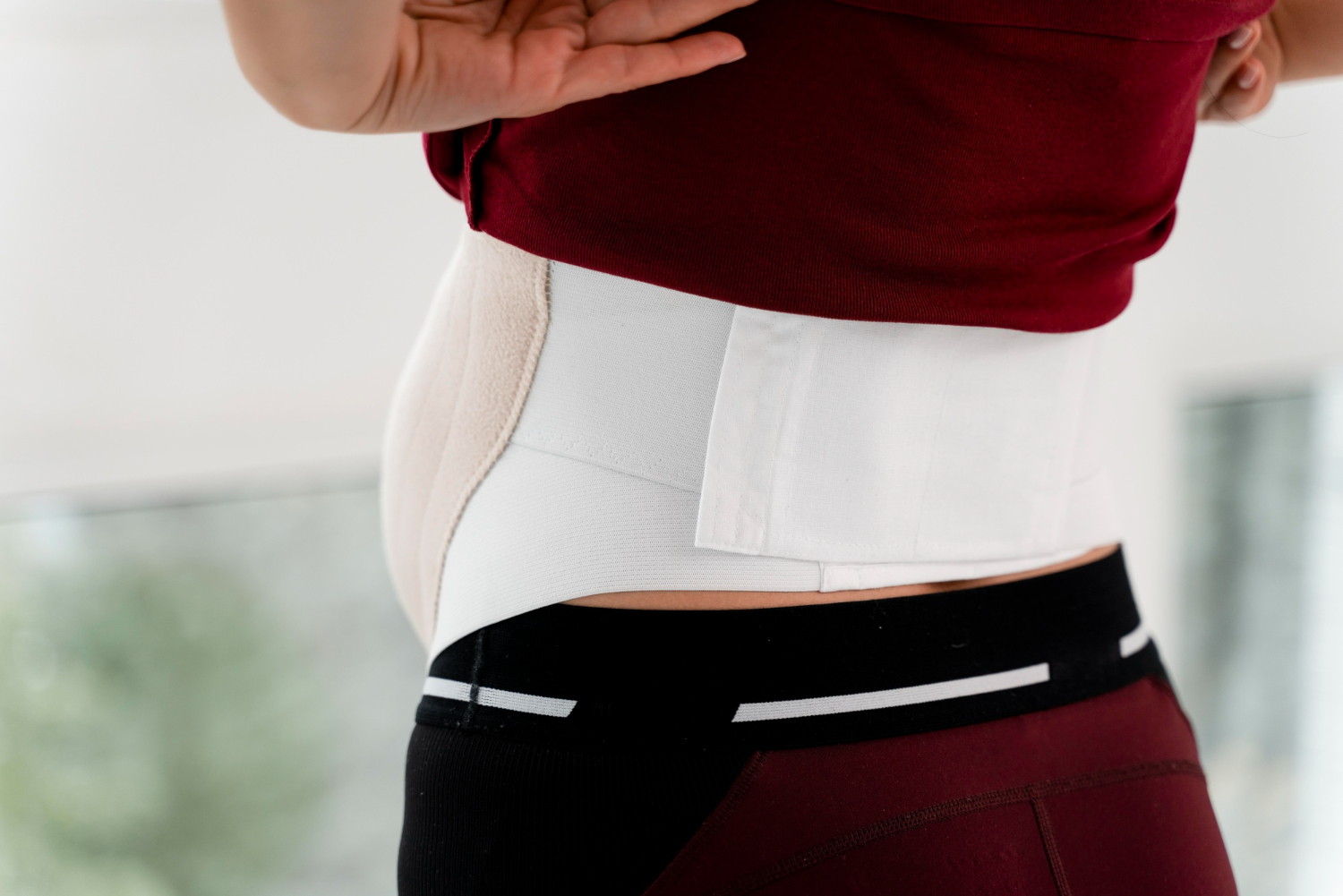
Wearing compression clothes-special abdominal bras-after child birth can in some cases keep the muscles of the abdomen and the whole body firmer and reduce the chances of sagging. These garments assist in ways to stabilize the abdominal muscles, as well as get them back into their place quicker.

Final Thoughts

The sagging stomach is a normal post pregnancy process that a lot of mothers have to deal with but the thing is that your body is spectacular and it should never be forgotten. Not only is your body ready to birth a new life, as a mother you can also heal and come back out your best self with certainty and time. Physical postpartum changes It is all a part of your life and there is nothing as good as will power and self-care can assist you through the path. What matters is that you should have time and pride yourself on your beauty and power with each of your steps.

Resources

Postpartum Belly: How to Get Rid of It

Loose skin after pregnancy: Pictures, treatments, and timeline

Nonsurgical Postpartum Abdominal Rejuvenation: A Review and Our Experience