
Heart Artery Blockage Treatment: Medications for Coronary Artery Narrowing

heart artery blockage treatment

You wake up to the sound of your alarm, sip your morning coffee, and prepare for a busy day ahead. Somewhere between routine and responsibility, you may notice a mild pressure or unfamiliar discomfort in your chest. While it may seem harmless, it can signal a need for heart artery blockage treatment. Therefore, early recognition of symptoms plays a crucial role in selecting the right heart artery blockage treatment and preventing serious cardiovascular complications.

For many adults, this scenario is far from rare. Coronary artery disease (CAD) remains one of the leading causes of morbidity and mortality across Western countries. Despite advances in medical technology, the early warning signs of narrowed heart arteries are often overlooked, minimized, or misunderstood.

When people hear the word medication, they often assume that a single pill can solve the problem entirely. However, cardiovascular medicine is more nuanced. Each artery, each plaque, and each patient presents a unique clinical picture. Some medications slow the progression of arterial narrowing, others relieve chest pain, and still others reduce the risk of heart attack or sudden cardiac death. Therefore, no single drug works in isolation.

This article provides a clear, medically grounded explanation of the most commonly prescribed medications for coronary artery narrowing. Moreover, it explains how each option contributes to an effective heart artery blockage treatment plan. Additionally, understanding these roles and limitations highlights why professional cardiovascular evaluation remains essential for safe and effective treatment.

Heart Artery Blockage Treatment: Understanding Coronary Artery Narrowing

Coronary arteries supply oxygen-rich blood to the heart muscle. Over time, fatty deposits (atherosclerotic plaques) accumulate within these vessels, which narrows the passageway and restricts blood flow.

This process develops gradually; moreover, several factors influence it, including:

  • Smoking
  • Diabetes
  • Hypertension
  • Chronic stress
  • Sedentary lifestyle
  • High LDL cholesterol
  • Genetic predisposition

When blood flow becomes insufficient, patients may experience symptoms such as chest pain (angina), shortness of breath, fatigue, or even silent ischemia. In more advanced cases, plaque rupture and clot formation can lead to myocardial infarction (heart attack). Therefore, early detection remains critical.

Medications do not scrape out existing plaque. Instead, they work by stabilizing plaques, preventing clot formation, improving blood flow dynamics, and reducing cardiac workload.

Medications in Heart Artery Blockage Treatment

1- Antiplatelet Medications (Blood Thinners)

These drugs reduce the ability of platelets to clump together and form clots at sites of arterial narrowing.

  • Aspirin

A cornerstone of cardiovascular prevention, low-dose aspirin reduces clot formation and lowers the risk of heart attack and stroke in appropriate patients. However, it also increases bleeding risk and should not be self-prescribed.

  • Clopidogrel (Plavix)

Often prescribed when aspirin alone is insufficient or contraindicated. Commonly used in patients with coronary stents or a history of myocardial infarction.

These medications do not widen arteries; instead, they actively reduce the risk of sudden blockage by preventing clot formation.

2- Beta-Blockers (Heart Rate and Demand Reduction)

Examples: Metoprolol, Atenolol, Bisoprolol

Beta-blockers slow the heart rate and reduce myocardial oxygen demand. By easing the heart’s workload, they help control angina symptoms and improve survival after heart attack.

They are particularly beneficial for patients with:

  • Prior myocardial infarction
  • Heart failure
  • Hypertension
  • Arrhythmias

Abrupt discontinuation can be dangerous and must be avoided.

3- Calcium Channel Blockers (Vessel Relaxation)

Examples: Amlodipine, Diltiazem, Verapamil

These medications relax the smooth muscle of blood vessel walls, improving blood flow and reducing vascular spasm. They are especially useful in patients who cannot tolerate beta-blockers or have vasospastic angina.

4- Cholesterol-Lowering Medications (Statins)

Examples: Atorvastatin, Rosuvastatin

Statins are among the most important drugs in coronary artery disease management. Their benefits extend beyond cholesterol reduction:

  • Lower LDL cholesterol
  • Reduce arterial inflammation
  • Stabilize existing plaques
  • Decrease risk of heart attack and stroke

Long-term statin therapy is strongly supported by evidence-based cardiology guidelines in North America and Europe.

5- Nitrates (Rapid Symptom Relief)

  • Nitroglycerin (Sublingual)

Used for immediate relief of acute chest pain. It works by dilating blood vessels and reducing cardiac preload.

  • Isosorbide Mononitrate/Dinitrate

Prescribed for long-term prevention of angina episodes.

These medications relieve symptoms but do not modify disease progression.

6- ACE Inhibitors and ARBs

Examples: Captopril, Enalapril, Losartan

Primarily prescribed for hypertension, diabetes, and heart failure, these medications also improve vascular health and reduce cardiac remodeling. They are frequently included in comprehensive CAD treatment plans.

Why Heart Artery Blockage Treatment Is Not One-Size-Fits-All

One of the most dangerous misconceptions in cardiovascular care is the belief that a single medication can universally open blocked arteries. However, an effective heart artery blockage treatment depends on multiple individualized factors.

  • Age and overall cardiovascular risk
  • Previous cardiac events or interventions
  • Medication tolerance and side effect profile
  • Severity and location of arterial narrowing
  • Presence of diabetes, hypertension, or kidney disease

A cardiologist evaluates imaging studies, blood tests, stress tests, and clinical history before determining the optimal regimen.

The Risks of Self-Medication

Unsupervised use of heart medications can lead to serious complications:

  • Dangerous drug interactions
  • Masking of progressive disease
  • Excessive bleeding from inappropriate antiplatelet use
  • Worsening ischemia from abrupt beta-blocker withdrawal

A real-world example illustrates this risk: a middle-aged patient began taking double-dose aspirin daily after hearing it was good for the heart. The result was severe gastrointestinal bleeding requiring hospitalization. Even widely known medications can be harmful without medical guidance.

Lifestyle Changes Supporting Heart Artery Blockage Treatment

Medications are only one component of coronary artery disease management. Without lifestyle intervention, pharmacologic benefits are limited.

Nutrition

  • Reduce saturated and trans fats
  • Increase intake of vegetables, fruits, whole grains
  • Use olive oil and unsaturated fats
  • Consume fish rich in omega-3 fatty acids

Physical Activity

Regular moderate exercise—such as brisk walking, swimming, or cycling—improves vascular function and insulin sensitivity.

Stress Management

Chronic stress contributes to endothelial dysfunction and hypertension. Mindfulness, structured relaxation, adequate sleep, and work-life balance are essential.

Supplements

Omega-3 fatty acids and Coenzyme Q10 may offer adjunctive benefit in selected patients, but they do not replace evidence-based medications.

Frequently Asked Questions

Do heart medications actually open blocked arteries as part of heart artery blockage treatment?

Most medications prevent progression and reduce risk rather than removing existing plaque. Nitrates provide temporary dilation but are not curative.

Is aspirin alone sufficient?

No. Aspirin is only one component of therapy and is often combined with statins, beta-blockers, or other agents.

How long must these medications be taken?

Many are prescribed long-term or lifelong. Discontinuation should only occur under medical supervision.

Can heart medications be taken with diabetes or blood pressure drugs?

Yes, but careful coordination is required to avoid adverse interactions.

Do long-term side effects outweigh benefits?

Untreated coronary artery disease carries far greater risk than properly monitored medication use.

Final Thoughts

The heart is a precision organ. When its blood supply becomes compromised, careful calibration—not guesswork—is required. Medications act as tools in the hands of experienced clinicians, helping preserve function, prevent catastrophic events, and improve quality of life.

Choosing the right medication, at the right dose, for the right patient is a medical decision that should never be made casually. Consultation with a qualified cardiologist remains the safest and most effective path forward.

At Jam Medical Complex, our mission goes beyond prescriptions. We focus on long-term cardiovascular health, patient education, and evidence-based care—helping individuals across diverse populations live longer, healthier lives.

References

Drug Discovery for Coronary Artery Disease

Medication taking in coronary artery disease: a systematic review and qualitative synthesis

Coronary artery disease: Learn More – Medication for the long-term treatment of coronary artery disease

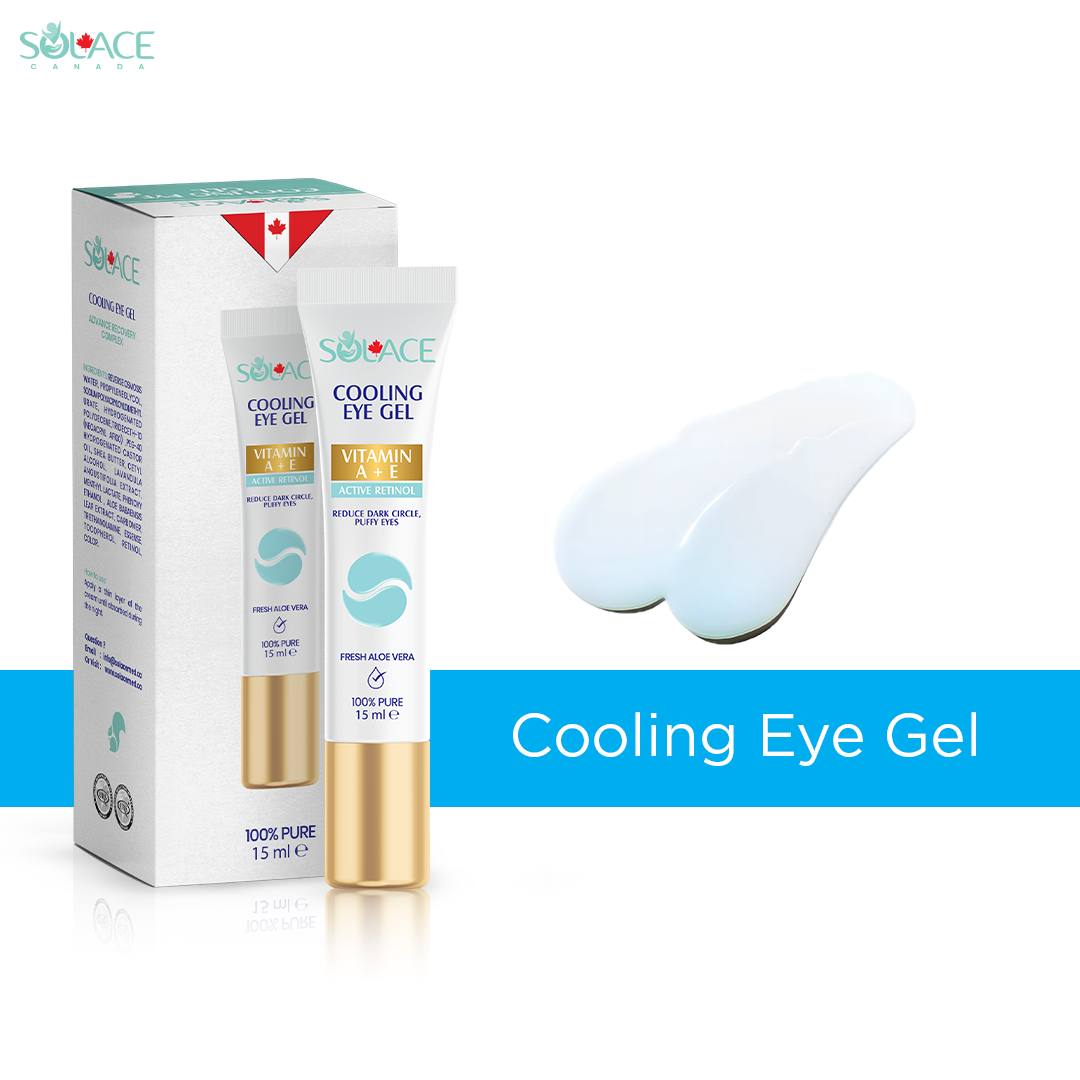
Solace Cooling Eye Gel + The Hidden Cause of Fine Lines Around Eyes

When Daily Concealer Use Becomes a Skin Health Issue

For many people, the first step toward looking more refreshed in the morning is applying concealer, especially after nights of insufficient sleep or periods of high stress when the under-eye area appears dull, tired, or shadowed. At first glance, concealer offers an immediate cosmetic solution. However, after months or years of daily use, a frustrating question often arises in front of the mirror: “When did these fine lines become so noticeable?”

In clinical practice, this concern is increasingly common among individuals in their 20s and 30s who otherwise show no signs of intrinsic skin aging. More importantly, in many cases, the appearance of fine lines around the eyes is not primarily related to age or genetics, but rather to chronic dehydration, repeated mechanical stress, and long-term use of makeup products on one of the most delicate areas of the face.

Under-eye skin does not usually need more coverage. It needs restoration, hydration, and barrier support. For this reason, this is where treatment-oriented formulations, particularly lightweight, fast-absorbing cooling eye gels, play a clinically meaningful role.

Why Daily Concealer Use Can Contribute to Fine Lines Around the Eyes

Fine lines around the eyes are superficial creases that form earlier than deeper wrinkles. They are especially prevalent in individuals who:

  • Use concealer daily and for prolonged hours
  • Apply thick, matte, or drying makeup formulas
  • Remove eye makeup with friction or harsh cleansers
  • Live in climates with cold winters, dry air, wind exposure, or indoor heating

What Happens at the Skin Level?

The periorbital skin (skin around the eyes) is structurally different from other facial areas:

  • It is significantly thinner
  • It produces less natural oil
  • It loses moisture more rapidly
  • It has a weaker barrier function

As a result, when this area is repeatedly covered with makeup:

  • Elasticity declines
  • The skin barrier gradually weakens
  • Superficial dehydration lines become visible
  • Transepidermal water loss (TEWL) increases

In many cases, these lines are dehydration-induced, not age-related. If left unaddressed, however, they may become more persistent over time.

What Consumers Are Actually Looking For

Individuals experiencing makeup-related under-eye lines are typically not seeking heavy anti-aging claims. Instead, they want:

  • Visible softening of fine lines
  • Relief from tightness and dryness
  • Results within a realistic timeframe
  • Effective hydration without greasiness
  • A product that layers well under makeup

They are looking for functional skincare, not decorative camouflage.

Why Gel-Based Eye Treatments Are Clinically Advantageous

In this context, when under-eye skin shows signs of dehydration and stress, texture matters as much as ingredients.

Water-Based Formulation and Enhanced Penetration

The Solace Cooling Eye Gel is formulated with a water-based system, allowing:

  • Rapid delivery of moisture to superficial skin layers
  • Hydration without occlusion or pore congestion
  • Comfortable daily use under makeup

This is particularly important for individuals exposed to dry indoor heating, air-conditioned environments, and cold outdoor air, all of which accelerate moisture loss.

Fast Absorption Without Residue

Unlike many traditional eye creams:

  • The gel absorbs quickly
  • It does not leave an oily film
  • It reduces the risk of makeup creasing or settling into lines

A Practical Texture Comparison

  • Heavy creams: Nourishing but often unsuitable under concealer
  • Serums: Lightweight but may lack immediate soothing effect
  • Gels: Balance hydration, comfort, and rapid absorption

Solace Cooling Eye Gel is designed to achieve this balance, specifically for individuals who rely on daily makeup.

Active Ingredients in Solace Cooling Eye Gel: A Functional Formulation

The formulation of Solace Cooling Eye Gel reflects a clinical, evidence-based approach, aligned with Canadian manufacturing standards and dermatological safety requirements.

Rather than following cosmetic trends, each ingredient is included to address a specific physiological need of the under-eye skin, with a strong emphasis on daily tolerability.

Importantly, while developed under Canadian standards, this product is not limited to a single skin type or ethnicity. Its formulation considers environmental stressors common in North America and Europe, including low humidity, pollution, and frequent makeup use.

1- Retinol (Vitamin A – Controlled Dose)

Used at a carefully controlled concentration to:

  • Support skin renewal
  • Improve the appearance of fine lines
  • Minimize irritation in a sensitive area

2- Aloe Vera

Provides:

  • Immediate hydration
  • Soothing relief from dryness
  • Comfort for stressed or fatigued skin

3- Shea Butter

Supports:

  • Moisture retention
  • Skin barrier reinforcement
  • Prevention of chronic under-eye dryness

4- Vitamin E

Acts as an antioxidant to:

  • Protect against environmental stress
  • Reduce oxidative damage related to pollution and makeup wear

5- Lavender and Castor Oil

Included for:

  • Mild anti-inflammatory effects
  • Support for lash and eyelid skin health
  • Improved overall skin tolerance

All ingredients are selected for high purity, proven efficacy, and low irritation risk, making the product suitable for long-term daily use.

How Solace Cooling Eye Gel Compares to Common Market Alternatives

Many individuals with under-eye concerns have already tried multiple products. Key differences include:

  • Absorption Speed

The water-based gel absorbs faster than oil-rich creams.

  • Texture Under Makeup

It does not interfere with concealer application.

  • Active Ingredient Focus

The formulation prioritizes effective concentrations, not ingredient overload.

  • Lower Risk of Congestion

Reduced likelihood of milia or irritation compared to heavier formulas.

  • Time to Notice Results

Users often report improved hydration and softer skin texture earlier than with classic eye creams.

Clinical Case Insight: When Concealer Creates the Problem It Tries to Hide

A 28-year-old professional presented with a common complaint:
Her under-eye skin looked fine without makeup, but after several hours of wearing concealer, fine lines became more pronounced and the area felt dry and tight.

Clinical evaluation revealed:

  • Reduced elasticity
  • Chronic under-eye dehydration
  • No deep wrinkles or structural sagging

She was advised to apply Solace Cooling Eye Gel twice daily, morning before concealer and evening on clean skin.

Observed Outcomes

  • Softer, more flexible skin texture
  • Reduced dryness within the first week
  • Less visible lines after makeup application

Therefore, this case reinforces a key clinical insight:
Many under-eye lines are hydration-related and reversible when addressed early.

Proper Application and Common Mistakes

Recommended Use

  • Apply to clean skin
  • Use a small amount
  • Gently tap with the ring finger
  • Morning and evening

Common Errors to Avoid

  • Over-application
  • Rubbing the skin
  • Applying immediately after harsh makeup removal
  • Combining with strong irritants

Final Thoughts

Fine lines around the eyes are often the result of repetitive daily habits, not premature aging. When skincare shifts from concealment to restoration, the skin regains its ability to function and recover.

Solace Cooling Eye Gel represents a treatment-focused solution, developed under Canadian standards, formulated with high-quality natural ingredients, and designed for modern lifestyles.

For individuals who depend on concealer as part of daily life, choosing a supportive under-eye treatment is not optional; it is preventive care.

If you wish, complete product details and the purchase link for the Solace Cooling Eye Gel are available on this page, allowing you to make a more confident and informed final decision after reviewing the information.

References

Lavender Oil for Skin: Uses and Benefits

Topical Vitamin E in Modern Skin Therapy

Retinol: Cream, Serum, What It Is, Benefits, How To Use

Study on the application of Aloe vera in cosmetology and clinical treatment of skin diseases

Efficacy of castor oil cream in treating infraorbital hyperpigmentation: An exploratory single-arm clinical trial

Investigation of the in vitro effects of shea butter on skin barrier function and hydration using analytical chemistry methodologies

Night Heart Palpitations: Causes, Warning Signs, and How to Stop Them

Night Heart Palpitations

Why Your Heart Races at Night: The Real Causes of Night Heart Palpitations

Imagine a night when the lights are out, there is a long silence in the house, everything is quiet except your heart! Suddenly you wake up and feel your chest pounding like the drum of a rock band. You put your hand on your heart and say to yourself, “Do you mean I’m having a stroke now?». That’s when fear comes into your life, a fear that many people may have experienced, but few talk about. Why should a person’s heart beat in the middle of the night, just when everything is quiet?

Common Causes of Heart Palpitations in Sleep

Heart palpitations are common in dreams and, contrary to popular belief, are not always a sign of serious heart disease. But ignoring it is also not wise. In the following, we will learn about the reasons for this phenomenon:

1- Anxiety and Hidden Stress

Our minds sometimes don’t stop working, even in sleep. Daytime stresses, job worries, or even nightmares can trigger the nervous system at night and cause the heart to beat faster.

2- Heavy and high-fat dinner

A heavy daisy or plate full of chilouk kebabs just before bed can make the digestive system overwork. This puts pressure on the heart and results in a nighttime beat.

3- Caffeine intake and stimulants

Evening tea, coffee, energy drinks, or even certain medications are stimulants of the nervous system. When you put your head on the pillow at night, the effect of these fresh substances shows itself.

4- Thyroid and hormonal problems

Hyperthyroidism or hormonal disorders can cause a rapid heartbeat during the night.

5- Arrhythmias and hidden heart disease

Sometimes nocturnal heart palpitations are due to a disturbance in the heart’s electrical system (arrhythmias). This type of palpitation requires serious examination by a cardiologist.

6- Sleep apnea (interruption of breathing during sleep)

One of the most important and lesser-known causes is the interruption of breathing in sleep. When blood oxygen drops, the heart is forced to work faster.

7- Mineral deficiencies and anemia

A deficiency of iron, magnesium, or potassium can upset the heart’s electrical balance and cause the heart to palpitate in sleep.

8- Specific medications and stimulants

Some medications, such as weight loss medications or nasal decongestants, overactivate the heart at night.

When should we be worried?

Heart palpitations in a dream are not always dangerous. But sometimes this symptom can be a serious alarm. The difference between a transient pulsation and an alarming situation is crucial.

Transient heart palpitations:

  • It rarely occurs;
  • No other symptoms;
  • It is short-lived (a few seconds to a few minutes);
  • It usually occurs after eating heavy food or consuming caffeine.

Heart palpitations with danger signs:

If your heart palpitations are accompanied by any of the following symptoms, you should see a doctor immediately:

  • cold and sudden sweating;
  • pain or pressure in the chest;
  • fainting or loss of consciousness;
  • dizziness or blackening of the eyes;
  • Severe shortness of breath or a feeling of suffocation.

These symptoms can be a sign of serious heart disease, dangerous arrhythmias, or even a heart attack.

Methods of Detecting the Cause of Night Heart Palpitations

Correct diagnosis is the key to effective treatment. Heart palpitations in dreams have several causes, and it is not possible to find its root just by speculating. Doctors use a variety of tools and tests to identify the underlying cause:

  • ECG: A simple and quick test to check the heart’s rhythm and electrical activity.
  • 24- to 48-hour Holter Monitoring: A small device that records your heart rhythm throughout the day and night, especially when palpitations occur occasionally.
  • Blood test: Checking thyroid status, hemoglobin levels, and electrolytes (potassium, sodium, magnesium) to find underlying factors.
  • Echocardiogram: Detailed imaging of the structure and function of the heart.
  • Sleep test: If sleep apnea is suspected, this test checks blood oxygen levels, sleep quality, and breathing interruptions.

Simple Strategies to Reduce Heart Rate in Sleep

Night heart palpitations don’t always mean illness. This can often be prevented by changing a few small habits.

1- Dinner Management

  • Eat simple and light: Replace dinner with vegetable soup, light chicken feed, or a protein salad instead of daisy or heavy pilaf.
  • Dinner time is important: Eat dinner at least 3 hours before bed so that your stomach has a chance to digest. Sleeping on a heavy stomach inadvertently forces the heart to overwork.
  • Less volume, more frequency: If you’re very hungry, lighten up dinner and eat some healthy snacks like fruit or nuts later.

2- Control of Caffeine Consumption and Stimulants

  • Set aside strong tea, coffee, or energy drinks after 6 p.m.
  • If you are used to drinking tea at night, it is better to use relaxing teas such as chamomile or borage (in small amounts and under the supervision of a doctor if taking medication).

3- Sleep hygiene

  • Quiet and dark environment: Turn off your phone and TV half an hour before bedtime. Blue screen light can irritate the nervous system.
  • Cool Room: A temperature of 18 to 22 degrees is ideal for sleeping. A warm room can both ruin sleep and cause an increase in heart rate.
  • Consistency in the bedtime: Sleep at about a certain time each night until the body finds a normal rhythm.

4- Relaxation before bed

  • A few minutes of deep breathing (4 seconds inhalation, 4 seconds inhalation, 4 seconds exhalation) can lower the heart rate.
  • A short walk later in the evening will help to relax the body.
  • Writing down worries before bed in a notebook is a kind of emotional drain that lightens the mind and calms the heart.

5- Avoiding smoking and alcohol

These two substances not only increase heart rate, but also lower the quality of sleep.

Misconceptions About Heart Palpitations in Dreams

Many patients have beliefs that can be dangerous when they talk about night heart palpitations. Let’s clarify a few common ones:

  • Heart palpitations are just from stress, so it’s not serious.

It’s true that stress is one of the most common causes, but it’s not always the main one. Arrhythmias, sleep apnea, or thyroid problems can also be a factor. Ignoring this symptom may delay the diagnosis of a serious illness.

  • Everything is made with herbal extracts.

Traditional distillates such as burdock or orange may be soothing, but they are not a radical remedy. If the cause of heart palpitations is a serious disorder such as hyperthyroidism or arrhythmia, the use of medicinal herbs will only cover the symptom and delay treatment.

  • If I don’t have any problems during the day, then my heart is healthy.

Some heart problems (such as nocturnal arrhythmias or sleep apnea) only occur at bedtime. The absence of symptoms during the day is not a guarantee of heart health.

  • Because I’m young, it’s safe to beat at night.

Early age does not prevent heart problems. Even young people may experience night palpitations due to anemia, thyroid problems, or heart rhythm disorders.

Final Thoughts

Heart palpitations in a dream can range from a simple and transient issue to a serious sign of heart disease. Sometimes it’s just a reminder of a stressful day, and sometimes it can be a warning from the heart that needs to be carefully examined. Along the way, the best decision is to leave the diagnosis and follow-up to the specialist. Seeing a cardiologist means choosing the safest and most scientific way to relax your heart And your imagination. At Jam Medical Complex, the presence of Iran’s most prominent cardiologists has provided the opportunity to turn your worries into a safe peace instead of turning into nightmares. We believe that your heart deserves the best care.

Resources

Clinical relevance of arrhythmias during sleep

Sleep Apnea and Nocturnal Cardiac Arrhythmia

Clinical relevance of arrhythmias during sleep: guidance for clinicians

Solace Hydrating & Softening Hand Gel-Cream: Brighten, Restore Softness, and Rejuvenate Your Hands

Solace Hydrating & Softening Hand Gel-Cream

You’ve probably experienced that moment after a long day when you glance at your hands and notice fine cracks, rough patches, or stubborn dryness. Hands that should feel soft and smooth instead tell the story of a busy, demanding day.

If until now all hand creams have felt the same, it’s time to raise your expectations. Solace Hydrating & Softening Hand Gel-Cream was created for the modern individual, someone who wants visible results, speed, effectiveness, and a real feel-good experience. This isn’t just a cream; it’s a daily rescue routine, a smart protective companion, and a revitalizing treat for your hands.

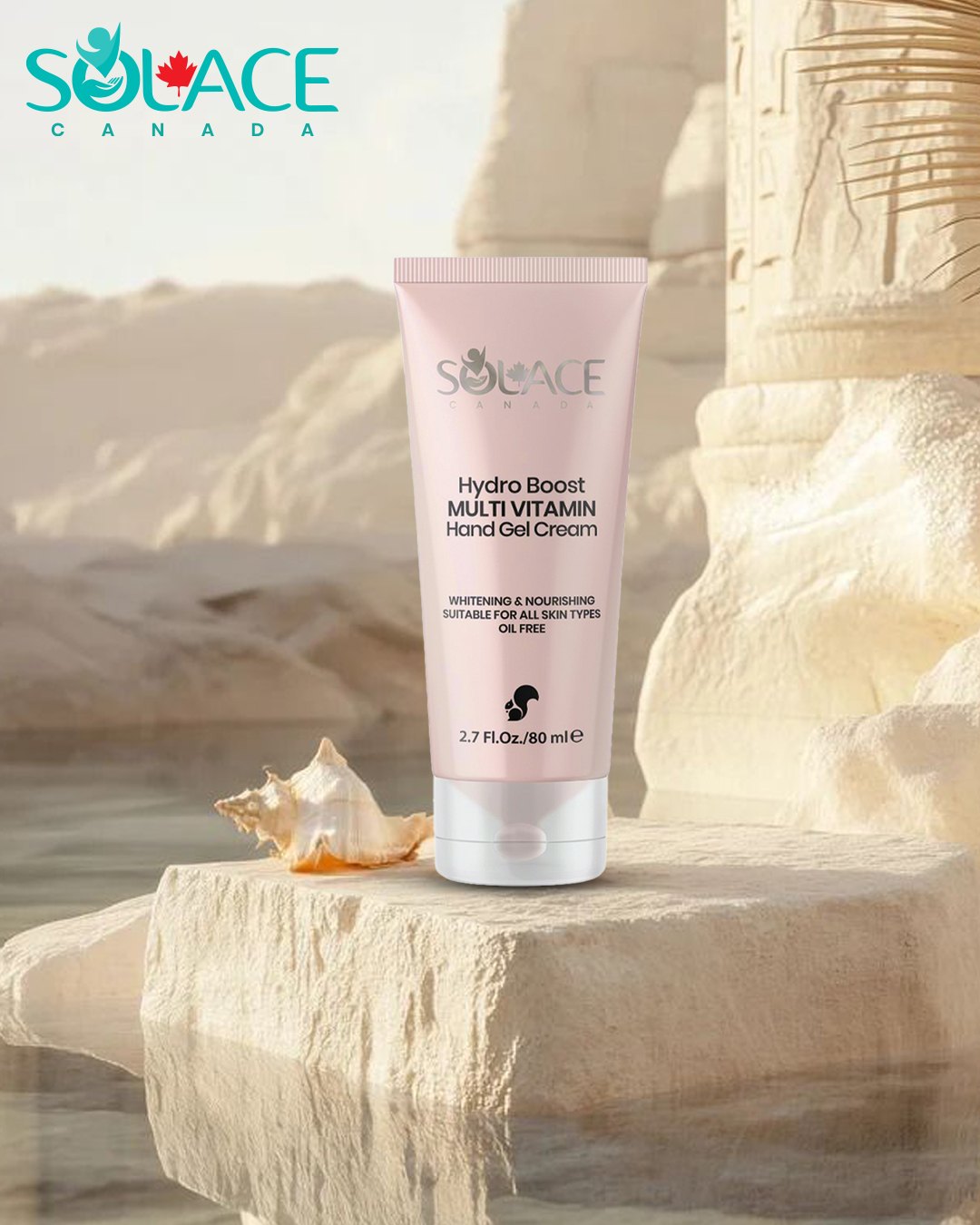
Solace Hand Gel-Cream isn’t just an ordinary moisturizer; it’s a tiny hero formulated to revive tired skin in seconds. Its lightweight, non-greasy texture feels like your skin drinks it up, while the rich blend of multi-vitamins and hyaluronic acid makes hands feel as if they’ve taken a long, refreshing breath after years of neglect.

Let’s take a closer look at what makes Solace Hydrating & Softening Hand Gel-Cream so beloved and effective.

Why Everyone Loves Solace Hydrating & Softening Hand Gel-Cream

To understand why this product stands out from similar hand creams, you need to know its key benefits, each the result of careful research and advanced formulation:

  • Instant, Deep Hydration

Its gel-like texture combined with hyaluronic acid provides multi-layered hydration. Skin feels softer within seconds and stays moisturized throughout the day.

  • Fast Absorption, No Greasiness

Many avoid hand creams because they leave hands sticky or greasy, making everyday tasks difficult. This gel-cream absorbs quickly, leaving no residue or heavy feeling.

  • Protection Against Environmental Stressors

Pollution, sun exposure, chemicals, and frequent washing are major contributors to hand aging and dryness. Antioxidant-rich ingredients help strengthen the skin’s barrier and protect hands from these stressors.

  • Suitable for Day and Night Use

Lightweight yet deeply nourishing, it’s perfect for daytime touch-ups or nightly care to repair and revitalize the skin.

  • Compatible with All Skin Types

Non-comedogenic and free from parabens, sulfates, or harmful chemicals, it works for dry, oily, combination, or sensitive skin.

Together, these benefits elevate Solace Hand Gel-Cream from a simple moisturizer to a comprehensive hand care solution.

Key Ingredients in Solace Hydrating & Softening Hand Gel-Cream

The real power of this gel-cream lies in its carefully selected ingredients, each chosen to deliver visible, tangible results:

1- Hyaluronic Acid

A top-tier hydrator capable of holding many times its weight in water. It locks moisture into the deeper skin layers, reducing fine lines and slowing premature aging.

2- Niacinamide (Vitamin B3)

Strengthens the skin barrier, evens tone, and reduces dullness caused by fatigue or exposure to cleaning products.

3- Retinyl Palmitate (Vitamin A)

A gentler alternative to retinol, it supports cellular regeneration and helps minimize fine lines, making it ideal for hand skin.

4- Tocopherol (Vitamin E)

A powerful antioxidant that protects against free radicals and oxidative damage.

5- Dexpanthenol (Vitamin B5)

Soothes, repairs, and restores comfort to dry, red, or inflamed hands.

6- Glycerin

Locks in moisture, preventing dryness and prolonging the soft, smooth feel of the skin.

7- Caffeine

Improves blood circulation, revitalizes skin, and contributes to firmer, younger-looking hands.

When and Why to Use Solace Hydrating & Softening Hand Gel-Cream

Solace Hydrating & Softening Hand Gel-Cream isn’t just for moments when your hands feel dry; it’s a complete care solution for every part of your day:

  • For Severely Dry or Damaged Hands

Frequent washing, exposure to detergents, or harsh weather can leave hands rough and dehydrated. This gel-cream provides daily, effective relief.

  • For Sensitive Skin

Its paraben- and sulfate-free formulation, enriched with dexpanthenol and vitamins, calms redness and irritation, making it gentle enough for even reactive skin.

  • Protection Against Environmental Stressors

Air pollution, dust, UV exposure, and temperature fluctuations all challenge your skin. This cream acts like a lightweight but effective protective shield.

  • After Manicures

Post-manicure, the skin around nails can be dry or irritated. This cream nourishes the surrounding skin while maintaining a healthy, polished appearance.

  • Nighttime Use

Applying before bed allows hands to repair and regenerate during sleep, leaving them soft and rejuvenated in the morning.

  • For Even Skin Tone

Niacinamide gradually reduces dark spots and evens out skin tone, helping hands look smoother and healthier over time.

  • Suitable for All Skin Types

Whether dry, oily, or combination, this gel-cream absorbs easily without clogging pores or leaving a heavy residue.

What Makes Solace Hydrating & Softening Hand Gel-Cream Different

The hand care market is full of creams promising results, but Solace stands out because its philosophy goes beyond simply softening skin. The goal is to deliver a scientifically formulated, pleasurable, fast-acting, and long-lasting experience:

1- Gel-Cream Texture, The Perfect Balance

Unlike heavy creams that leave a greasy film, this gel-cream absorbs instantly on contact. Use it anytime, anywhere, without worrying about stickiness.

2- True Multi-Vitamin Complex

Many products claim vitamins but show little effect. The smart combination of niacinamide, retinyl palmitate, tocopherol, and dexpanthenol in this cream acts like a nutritional boost for your skin.

3- Formulated for Challenging Climates

Designed for dry air, pollution, frequent hand washing, and temperature fluctuations, it performs in real-life conditions.

4- Free from Harmful Ingredients

Paraben-free, sulfate-free, and gentle, making it safe for the entire family.

These qualities are why many users, after just one application, find they no longer go back to ordinary hand creams.

Real User Experiences: Five Hands, Five Stories

Here are five real-life experiences from people who incorporated Solace Hydrating & Softening Hand Gel-Cream into their daily routines:

Alex – Banking Professional

Alex felt self-conscious about the roughness of her hands when handling client documents. After a week of using the gel-cream, she noticed her hands felt revitalized, and even her colleagues commented on the improvement.

Kennedy – Homemaker

Constant exposure to water and cleaning products left Kennedy’s hands full of fine cracks. After several nights of using the gel-cream, she described the soothing effect of dexpanthenol as nothing short of remarkable.

Brax– Landscape Engineer

Brax’s hands were constantly exposed to sun and cold, leaving them dry and irritated. He found that the lightweight gel-cream created a real protective layer, reducing redness and keeping his hands comfortable throughout the day.

Maddy – Manicure Enthusiast

After manicures, Maddy often felt tightness around her nails. With regular use of the gel-cream, the skin around her nails improved significantly, making her hands appear smoother and nails more polished.

Zahra – Busy Student

Tired of greasy hand creams that interfered with her daily activities, Zahra found that this gel-cream absorbed quickly and allowed her to use her phone and laptop without any residue, making it perfect for her fast-paced lifestyle.

How to Use Solace Hydrating & Softening Hand Gel-Cream for Best Results

To maximize the benefits of this hand gel-cream, follow these simple tips:

  • Use the Right Amount

A thin layer is sufficient, the formula is potent enough that even small amounts deliver noticeable results.

  • Timing Is Key

Apply after washing hands and before bed. Slightly damp skin improves absorption and effectiveness.

  • Short, Targeted Massage

A 10-second massage focusing on fingers and the back of the hand boosts circulation and helps active ingredients absorb faster, enhancing the effects of caffeine.

  • Consistency Matters

Using the cream 2–3 times daily ensures deep hydration and optimal skin regeneration.

  • Integrate into Your Routine

Apply as the last step if you use serums or hand sunscreen to lock in moisture and active ingredients.

Final Thoughts

In a world filled with constant stress, pollution, and endless handwashing, Solace Hydrating & Softening Hand Gel-Cream offers a small, daily moment of care. It doesn’t just soften and rejuvenate your hands; it restores a sense of attention and well-being.

This isn’t merely a moisturizer; it’s a daily companion that reminds your skin how soft, fresh, and youthful it can feel. Choosing this product means choosing quality, science, comfort, and beauty.

If your hands have received less attention than your face, now is the time for a change. Solace Hand Gel-Cream is ready to be that transformation.

References

Vitamin E in dermatology – PMC

Niacinamide: Skin Benefits, Risks, and More

Topical use of dexpanthenol in skin disorders

What Does Glycerin Do for Your Skin? – Glycerin Benefits

Hyaluronic Acid: What It Is, Benefits, How To Use & Side Effects

Caffeine in Skincare: Its Role in Skin Cancer, Sun Protection, and Cosmetics

Efficacy and mechanism of retinyl palmitate against UVB-induced skin photoaging

Ectopic Pregnancy Symptoms: Warning Signs You Should Never Ignore

ectopic pregnancy symptoms

UBPregnancy begins expectantly, normally full of hope, anticipation and excitement. But occasionally things do not happen.

One of the most frightening complications in early pregnancy is ectopic pregnancy, when instead of forming a human being in the uterus, the fertilized egg implants in another organ and begins to develop, most commonly the fallopian tube.

Delayed diagnosis of ectopic pregnancy can cause severe maternal complications and can even lead to death. Therefore, clinicians emphasize awareness of warning signs and urge patients to visit a physician immediately.

I will attempt in this paper to make you understand the potential symptoms of this condition and when you need to be concerned, in very simple, yet scientific and specific terms.

What does ectopic pregnancy mean?

During a normal pregnancy, the fertilized embryo moves along the fallopian tube and enters the inner lining of the uterus where it can implant and develop. However, occasionally this process is interrupted and the egg implants in a location other than the uterus, such as the fallopian tube, ovary, cervix, or even the abdominal cavity. Clinicians refer to this condition as an ectopic pregnancy.

  • Risks

Ectopic pregnancy mostly occurs in the fallopian tubes. This type of pregnancy cannot progress normally, since the surrounding tissues cannot accommodate fetal growth. If clinicians do not diagnose it promptly, it may rupture the fallopian tube and cause life-threatening internal bleeding in the mother.

  • Reasons

Multiple factors contribute to ectopic pregnancy, such as untreated pelvic infections, prior tubal surgery, adhesions, or certain assisted reproductive techniques like IVF. However, clinicians often identify no clear cause.

Know the warning signs

Clinicians cannot always diagnose ectopic pregnancy easily because early symptoms can resemble those of a normal pregnancy. However, certain indicators can rapidly progress to an emergency if patients ignore them.

Here are the most important warning signs:

  • Abnormal vaginal bleeding

You can experience non-menstrual spotting or light bleeding. This bleeding usually appears dark and often occurs with pain.

  • Abdominal or pelvic pain, especially on one side

Persistent, sharp pain in the lower abdomen or pelvis that you feel on one side of the body is one of the most notable symptoms. Movement, coughing or sex may worsen this pain.

  • Shoulder or neck pain

If internal bleeding occurs due to an ectopic pregnancy, you may experience referred pain in the shoulder or neck. This is a less well known but extremely important symptom.

  • Feeling lightheaded, weak or faint

When excessive bleeding develops, the individual may experience hypotension, dizziness, or even fainting. This is an emergency case and medical intervention is necessary.

  • Nausea or stomach upset

Although nausea during pregnancy can be normal, you must take it seriously when it occurs with symptoms like abdominal pain or bleeding.

What is the difference between an ectopic pregnancy and a normal pregnancy?

  • Early Similarities

During the first trimester, an ectopic pregnancy may be quite similar to a normal pregnancy. In both, symptoms may include delayed periods, tender breasts, nausea or fatigue. Such similarities mean that many women do not recognize that they have an abnormal condition.

  • Warning signs

However, there are a few differences which can be essential to note. The most significant distinction between ectopic and normal pregnancy is pain on one side of the abdomen, along with abnormal vaginal bleeding and pelvic pressure. The symptoms typically appear during the early weeks of pregnancy and worsen over time.

  • The difference between pain in normal and ectopic pregnancy

During normal pregnancy, the fertilized egg implants in the uterus, where its growth gradually stretches the uterus and causes mild bilateral pain. In ectopic pregnancy, the tissues stretch or tear, causing severe pain because the fetus develops in an inappropriate location. The pain usually occurs on one side of the abdomen and it is accompanied by a sense of dizziness or low blood pressure conditions.

When should we see a doctor immediately?

When you feel like you are pregnant, or when you test positive during pregnancy and all of these symptoms are present simultaneously, you should see the doctor immediately:

  • Hypotension or rapid pulse;
  • Severe dizziness, feeling lightheaded or lethargic;
  • Severe and sudden pain on one side of the abdomen or pelvis;
  • abnormal vaginal bleeding, especially if it is accompanied by pain;
  • Shoulder pain, especially when lying down or when breathing deeply.

How is an ectopic pregnancy diagnosed?

Timely and correct detection of ectopic pregnancy is paramount to the health and safety of the mother. Doctors diagnose ectopic pregnancy through a combination of clinical evaluation and imaging techniques:

  • Blood test (hCG)

During normal pregnancy, the levels of hCG increase in regular and predictable ways. However, in an ectopic pregnancy, the procedure is typically slow or abnormal.

  • Vaginal ultrasound

It is the most precise form of ultrasound used to examine the location of the embryo implantation during the first few weeks of pregnancy. The presence of a level of hCG above a specific level, in the absence of a pregnancy sac in the uterus, will prompt the doctor to consider the likelihood of an ectopic pregnancy. In some cases, an abnormal cyst could be observed in the fallopian tube.

  • Clinical Examination

During the internal examination, the doctor might notice the presence of a suspicious lump in the pelvic area or one-sided tenderness. Naturally, the examination serves the purpose of the diagnosis only and is typically combined with additional tests.

ectopic pregnancy symptoms

Can an ectopic pregnancy be prevented?

Ectopic pregnancy cannot be fully prevented, but risk causes can be lowered and healthy lifestyle can be led to decrease the occurrence of ectopic pregnancy. Being aware of the underlying condition and seeking the advice of your physician prior to pregnancy is critical in helping to reduce your risk.

  • General strategies to reduce the risk of ectopic pregnancy

Prevention of pelvic infections is one of the most important steps. Inflammatory diseases like sexually transmitted infections (including chlamydia or gonorrhea) may cause inflammation in the fallopian tubes when they go untreated, and put a woman at risk of developing ectopic pregnancy. Among the required measures are use of protective gear during sexual intercourse and frequent attendance of the gynecologist to undergo screening tests.

  • Prevention of pelvic infections and its role in reproductive health

A doctor should monitor women with a history of pelvic surgery, tubal surgery, or ectopic pregnancy during the pre-pregnancy period. In other instances, IVF or other forms of assisted reproductive technologies may also put more risk of ectopic pregnancy; hence, further in-depth studies are required.

  • The Role of Medical Factors and Lifestyle in Prevention

Another measure that will reduce the risk is quitting smoking. Smoking interferes with the transfer of the fertilized egg by affecting the working of the fallopian tubes and also the possibility of aberrant implantation.

Final Thoughts

Ectopic pregnancy is a severe yet treatable health condition provided its symptoms are identified and addressed early on.

Though at the start of the pregnancy, it may present with symptoms akin to a normal pregnancy, the differences can be discerned provided that you know your body.

Postponing the visit to the doctor, disregarding the strange pain or strange bleeding can be deadly. In case of a high-risk population or warning signs, a swift and fearless follow-up might save your life. This is because pregnancy is an unpredictable, yet natural and beautiful process.

Be it with awareness, medical follow-up, and knowledge, it can be said with right and timely decision even in circumstances like ectopic pregnancy, and retain the hope of a successful follow-up pregnancy.

Resources

Ectopic Pregnancy – StatPearls

Ectopic Pregnancy: Diagnosis and Management

PUBMED: Ectopic Pregnancy: Risk Factors, Clinical Presentation and Management

Acne in the Modern Era

anti acne tea tree gel

How Stress, Sleep Deprivation, and Blue Light Are Quietly Damaging Your Skin

We are living in an era our skin was never designed for, making targeted solutions like tea tree acne gel increasingly relevant.

Chronic psychological stress, shortened and fragmented sleep, constant exposure to artificial lighting, and prolonged screen time, especially late-night mobile phone use, create a biological state where the skin benefits from targeted support such as tea tree acne gel.

The human body does not differentiate between a high-pressure work deadline and a real physical threat. In both cases, it activates the same hormonal response, primarily the release of cortisol. The skin, as one of the body’s most hormonally responsive organs, is often among the first systems to show visible consequences.

The result?

  • Clogged pores
  • Impaired barrier function
  • Heightened inflammation
  • Persistent or recurrent acne
  • Increased sebum production

Acne in modern adults is rarely random. It is a physiological response to modern lifestyle stressors, especially common in urban populations where long work hours, high screen exposure, and disrupted circadian rhythms are increasingly normalized.

In this context, skincare is no longer a cosmetic choice. It becomes a therapeutic intervention.

This is precisely where evidence-based, dermatologically designed treatment gels play a critical role: fast-acting, targeted, low-burden solutions that work with the skin’s biology instead of overwhelming it.

How Acne Actually Develops and Why Stress Plays a Central Role

Acne is not a single-step problem. It is a multifactorial biological process involving four core mechanisms:

  1. Excess sebum (oil) production
  2. Inflammatory immune response
  3. Proliferation of acne-causing bacteria
  4. Follicular hyperkeratinization (clogged pores)

Where stress and sleep disruption enter the equation?

Under chronic stress, cortisol levels remain elevated. Cortisol directly stimulates sebaceous glands, increasing oil production. Excess sebum creates an ideal environment for bacterial overgrowth and pore blockage.

At the same time, sleep deprivation and blue-light exposure suppress melatonin secretion. Melatonin is not only a sleep hormone, it is a key regulator of night-time skin repair and inflammation control.

When this repair window is disrupted:

  • Post-acne marks linger longer
  • Healing of existing lesions slows
  • New breakouts occur more easily
  • Redness and inflammation persist

This explains why stress-related and hormonal acne often feels resistant to treatment: the underlying physiological cycle never fully resets.

Why Gel-Based Treatments Are Often Superior for Acne-Prone Skin

Most acne-prone skin types require treatment that balances efficacy with barrier preservation.

Water-based gels offer several advantages:

  • Minimal pore-clogging risk
  • Faster absorption without surface shine
  • Rapid penetration into superficial skin layers
  • Lightweight texture with no occlusive residue

In contrast, many creams rely on lipid or semi-occlusive bases. While beneficial for dry skin, they may exacerbate congestion and inflammation during active acne phases.

The Solace tea tree acne gel was formulated with this principle in mind: targeted action without additional physiological stress on the skin.

Gel, Serum, or Cream: Choosing the Right Format for Active Acne

  • Gels: lightweight, fast-absorbing, ideal for inflamed or oily skin
  • Serums: high concentration, often require layering and barrier support
  • Creams: occlusive, suitable for dryness but higher risk during breakouts

During active acne treatment, the skin requires efficacy, speed, and breathability, a combination most consistently delivered by therapeutic gels.

Key Ingredients in Solace Tea Tree Acne Gel and Their Clinical Roles

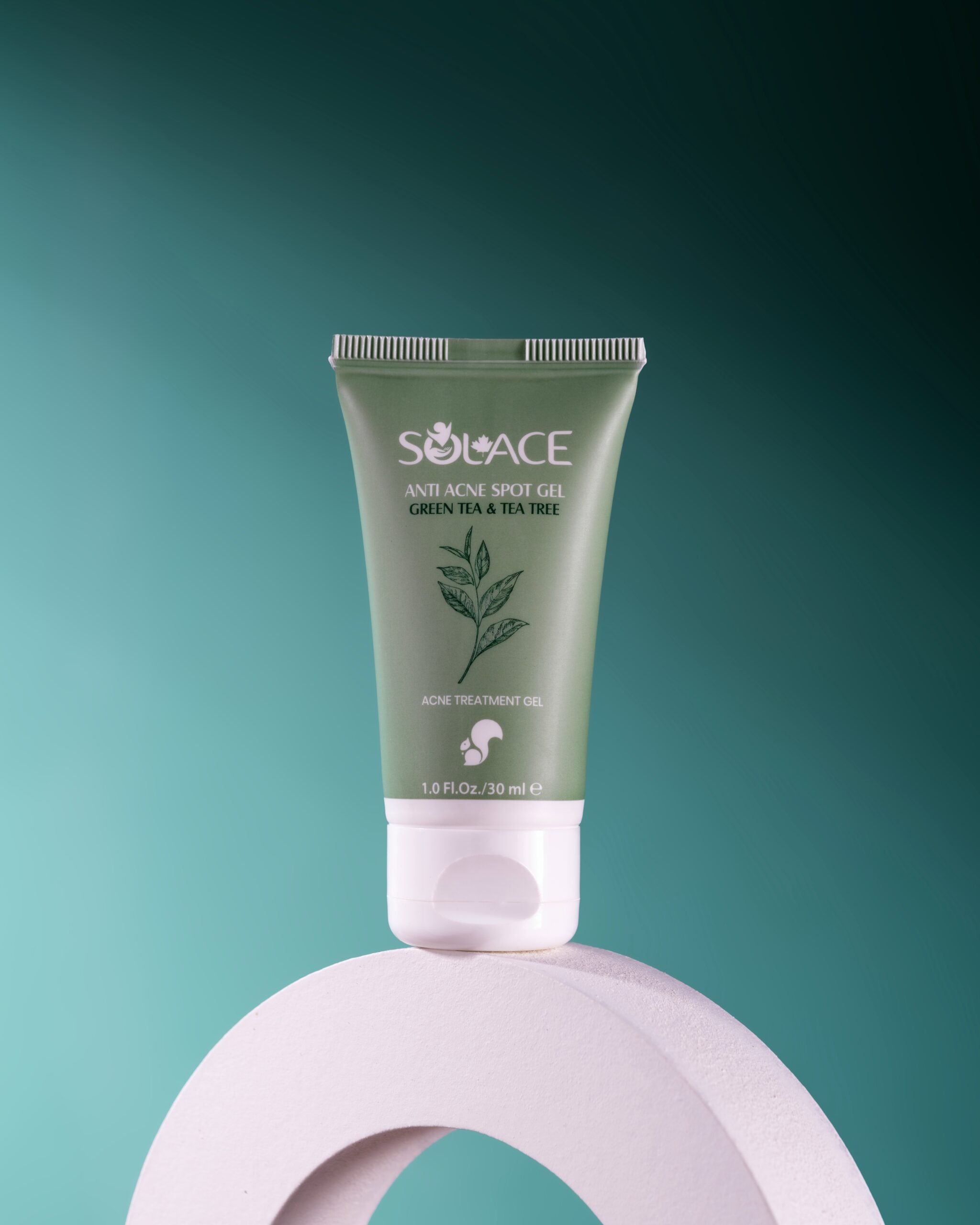
Solace tea tree acne gel is a Canadian-formulated product, developed under strict quality standards and designed for modern urban skin exposed to environmental stressors.

Its formulation combines natural active extracts with dermatologically validated ingredients, creating a multi-pathway treatment approach.

1- Tea Tree Leaf Extract

A well-documented natural antibacterial agent, tea tree extract:

  • Targets acne-causing bacteria
  • Reduces the risk of new lesion formation
  • Supports control of superficial infections

2- Green Tea Extract

Rich in polyphenols and antioxidants, green tea extract:

  • Calms inflammatory responses
  • Reduces visible redness
  • Protects against environmental oxidative stress

3- Alpha Hydroxy Acids (AHA)

AHAs provide controlled chemical exfoliation by:

  • Removing dead surface cells
  • Preventing pore blockage
  • Supporting smoother skin texture and tone

This mild resurfacing effect also helps reduce post-acne discoloration over time.

4- Vitamin A (Retinol)

Retinol plays a central role in acne management by:

  • Promoting cell turnover
  • Normalizing follicular keratinization
  • Accelerating transition from inflammation to repair

Its inclusion supports long-term improvement rather than short-term suppression.

5- B-Complex Vitamins (Niacinamide & Panthenol)

Niacinamide (Vitamin B3):

  • Reduces inflammation
  • Helps minimize pore appearance
  • Improves overall skin tone uniformity

Panthenol (Vitamin B5):

  • Enhances hydration
  • Soothes irritation
  • Strengthens the skin barrier

This combination ensures that treatment does not come at the cost of dryness or sensitivity.

6- Vitamin E (Tocopherol)

A powerful antioxidant that:

  • Protects against environmental damage
  • Supports skin repair processes
  • Enhances overall skin resilience

Together, these ingredients form a multi-layered therapeutic system:

antibacterial control + oil regulation + inflammation reduction + barrier repair.

Why Solace Anti-Acne Gel Stands Out in Real-World Use

Many acne products promise rapid results, but often at the cost of skin tolerance.

A common pattern:

  • Initial improvement
  • Followed by irritation, peeling, or rebound breakouts

Solace Anti-Acne Gel follows a different strategy.

Sustainable improvement over aggressive suppression

Rather than forcing rapid drying, the formulation focuses on normalizing the acne-prone environment:

  • Better oil balance
  • Fewer deep, painful lesions
  • Reduced inflammatory intensity
  • Improved skin tolerance over time

This makes it particularly suitable for stress-related and adult hormonal acne, which dominates in professional urban populations.

Skin Sensitivity: The Difference You Notice After Weeks, Not Days

One of the most frequent complaints with acne treatments is cumulative irritation:

  • Chronic redness
  • Thinning of the skin
  • Heightened sensitivity to light and touch

Because Solace tea tree acne gel integrates calming and reparative components alongside actives, the skin is not simply treated, it is supported throughout the process.

Many users report that after several weeks, their skin no longer feels locked in a defensive state.

A Clinical Case Perspective: When Patients Lose Trust in Treatment

A 29-year-old patient presented with deep inflammatory acne along the jawline and chin, an archetypal stress-hormonal pattern.

Previous history included:

  • Repeated facials
  • Multiple topical prescriptions
  • Interrupted treatments due to irritation

The skin showed signs of chronic inflammation and low tolerance.

The intervention focused on simplification, introducing only Solace tea tree acne gel with controlled, consistent use.

Observed progression

  • Week 1: Reduced lesion tenderness and inflammation
  • Week 2: Improved oil control without dryness
  • Week 4: Fewer subdermal lesions, calmer skin tone, improved treatment tolerance

The most significant outcome was not just fewer breakouts, but the restoration of the skin’s ability to tolerate treatment.

Correct Usage and Common Mistakes

Optimal application

  • Evening: after gentle cleansing
  • Morning (if needed): before sunscreen

Quantity

  • Full face: thin, even layer
  • Spot treatment: lentil-sized amount per lesion

Layering order

  1. Gentle cleanser
  2. Solace tea tree acne gel
  3. Lightweight moisturizer (if needed)
  4. Sunscreen (daytime)

Common errors to avoid

  • Over-application
  • Combining with multiple strong exfoliants
  • Stopping use immediately after temporary improvement
  • Applying on fully wet skin

Relative contraindications

  • Pregnancy (due to active ingredients)
  • Extremely sensitive skin without patch testing
  • Open or compromised wounds

Final Thoughts

Acne, especially in today’s world, is rarely superficial.

It reflects stress, sleep disruption, hormonal imbalance, and environmental pressure. When treatment focuses only on surface symptoms, recurrence is almost inevitable.

Effective acne care must be:

  • Scientifically grounded
  • Gentle enough for long-term use
  • Compatible with modern lifestyles
  • Focused on restoring balance, not forcing suppression

Solace Anti-Acne Gel was developed with exactly this philosophy:
to interrupt the inflammation cycle and activate genuine repair.

If you are dealing with stress-related or hormonal acne, feel exhausted by harsh products, and want a treatment you can actually sustain, this may be the logical next step in your skincare strategy.

References

Tea Tree Oil: Usefulness and Safety
Potential Benefits of Chamomile for Skin

Health Benefits of Retinol and Niacinamide

Green tea as a cosmetic agent for skin aging

What Does Vitamin B5 Do for Your Hair and Skin?

Nutrition and male fertility

Nutrition and male fertility

Evidence-Based Nutrition That Support Male Fertility and Sexual Performance

To begin with, sexual health is a fundamental component of overall well-being and quality of life for men.  While age, psychological stress, hormonal balance, and chronic conditions all influence sexual performance, nutrition remains one of the most influential and controllable factors affecting male libido and function.

In modern clinical practice, researchers increasingly show that everyday dietary choices either support hormonal balance, vascular health, and energy levels or gradually undermine them. In fact, many men experience reduced sexual desire or performance without realizing that their daily eating habits are a contributing factor.

Therefore, this article provides a science-informed, clinically grounded overview of how nutrition influences male sexual health, with a particular focus on dietary patterns suitable for the different climates and lifestyles. These regions often create challenges such as seasonal vitamin D deficiency, higher consumption of processed foods, sedentary routines, and chronic stress, all of which negatively affect sexual vitality.

Why Nutrition Matters for Male Sexual Function

More specifically, male sexual performance depends on the coordinated function of several physiological systems:

  • Cardiovascular health, which ensures adequate blood flow
  • Hormonal regulation, particularly testosterone production
  • Neurological signaling, responsible for arousal and response
  • Psychological well-being, including mood and stress regulation

Moreover, nutrition directly influences all of these systems.

For example, deficiencies in essential micronutrients, excessive intake of inflammatory foods, or diets high in refined sugars and trans fats impair endothelial function, disrupt hormone synthesis, and increase oxidative stress. As a result, these changes may manifest as reduced libido, erectile difficulties, fatigue, or decreased confidence over time.

Conversely, diets rich in whole foods, healthy fats, antioxidants, and key minerals support vascular integrity, testosterone production, and overall sexual health.

Ten Foods That Support Male Fertility and Sexual Performance

The human body requires appropriate fuel not only for daily activity but also for optimal sexual function. Nutritional science and clinical observation support the following foods as beneficial components of a male sexual health–supportive diet.

1- Avocado: Nutrient-Dense Support for Hormonal Health

Avocados are rich in monounsaturated fatty acids, potassium, vitamin E, and B-complex vitamins. These nutrients support cardiovascular health and contribute to hormone synthesis, including testosterone. Healthy fats are particularly important for men living in colder climates, where they often consume suboptimal levels of fat-soluble vitamins.

Regular consumption may help improve circulation and cellular resilience both essential for sexual function.

2- Walnuts: Omega-3 Fatty Acids and Sperm Quality

Walnuts are among the best plant-based sources of omega-3 fatty acids, which are known to reduce systemic inflammation and support endothelial health. Improved vascular function is directly associated with better erectile performance.

In addition, clinical studies suggest that omega-3 intake supports sperm morphology and motility, making walnuts a valuable dietary inclusion for reproductive health.

3- Eggs: Hormonal Balance from a Simple Staple

Eggs provide high-quality protein, vitamin D, choline, and essential fatty acids. Vitamin D deficiency commonly occurs in northern regions due to limited sun exposure, and low vitamin D levels are linked to reduced testosterone.

Eggs also help regulate cortisol levels, supporting stress management a critical factor in libido maintenance.

4- Dark Chocolate: Neurochemical Stimulation and Mood Support

High-cocoa dark chocolate contains phenylethylamine and flavonoids, compounds associated with dopamine release and improved mood. Although it does not serve as a primary treatment for sexual dysfunction, improved emotional well-being and reduced stress can indirectly enhance libido.

Moderation is essential; dark chocolate should be consumed with minimal added sugars.

5- Ginger: Improved Circulation and Anti-Inflammatory Effects

Ginger has long been recognized for its vasodilatory and anti-inflammatory properties. Improved blood circulation is fundamental for erectile function, and ginger may also support metabolic health.

Therefore, in colder climates, ginger becomes particularly beneficial as part of a warming, circulation-supportive diet.

6- Dates: Natural Energy and Micronutrient Support

Dates provide natural sugars, potassium, magnesium, and antioxidants. These nutrients offer sustained energy without the rapid blood sugar spikes associated with refined sugars.

Traditionally, people value dates for vitality, and they support stamina and energy levels when consumed in moderation.

7- Chicken Liver: A Rich Source of Zinc

Zinc plays a crucial role in testosterone synthesis and sperm production. Chicken liver is one of the most zinc-dense foods available, along with iron and vitamin B12.

8- Watermelon: Citrulline and Vascular Function

Watermelon contains citrulline, an amino acid that the body converts into arginine, a precursor to nitric oxide. Nitric oxide promotes vasodilation, which is essential for erectile function.

As a result, this makes watermelon particularly valuable during warmer months when hydration and vascular support are equally important.

9- Salmon: Cardiovascular and Hormonal Benefits

Salmon is rich in omega-3 fatty acids, vitamin D, and high-quality protein. Regular consumption supports heart health, reduces inflammation, and contributes to hormonal balance.

Cold-water fish are especially beneficial in regions where people otherwise consume low levels of omega-3.

10- Raw Honey: Energy and Hormonal Regulation

Natural honey contains trace minerals such as boron, which may influence testosterone metabolism. It also provides a steady source of energy and antioxidant compounds.

Unlike refined sugars, honey supports metabolic stability when used in moderation.

Foods That Can Undermine Male Sexual Health

Similarly, while some foods support sexual function, others significantly impair it when consumed regularly.

1- Processed and Packaged Foods

Processed meats, canned foods, and ready-to-eat meals often contain high levels of sodium, preservatives, and trans fats. These compounds promote inflammation and vascular dysfunction.

2- Sugary Beverages

Soft drinks and industrial fruit juices are associated with insulin resistance and hormonal imbalance. Excess sugar intake has been linked to reduced testosterone levels and decreased libido.

3- Alcohol and Tobacco

Although some people perceive alcohol as a relaxant, chronic consumption negatively affects erectile function, sperm quality, and hormone levels. Tobacco use constricts blood vessels, directly impairing genital blood flow.

4- Trans Fats and Deep-Fried Foods

Trans fats increase LDL cholesterol and reduce endothelial function, both of which are detrimental to sexual performance.

5- Industrial Dairy Products

Some processed dairy products contain hormone residues or additives that interfere with endocrine balance, particularly when people consume them excessively.

Important Natural Supplements

First, a proper diet should always form the foundation; however, certain supplements may provide additional support when used responsibly.

  • Ginseng

Researchers have studied Korean red ginseng for its potential to enhance energy, circulation, and erectile function.

  • Maca Root

Researchers associate maca, which is native to Peru, with increased libido and improved sperm parameters in some studies.

  • Tribulus Terrestris

Traditionally, practitioners use tribulus to support testosterone levels, and it may benefit men with low baseline hormone levels.

  • L-Arginine

Additionally, this amino acid supports nitric oxide production and may improve blood flow when combined with a healthy diet.

Lifestyle Factors: Nutrition Alone Is Not Enough

Sexual health is multifactorial. Nutrition must be supported by appropriate lifestyle choices.

  • Regular Physical Activity

Resistance training and aerobic exercise naturally boost testosterone, improve circulation, and reduce stress.

  • Adequate Sleep

Chronic sleep deprivation disrupts hormonal regulation. Most adult men require 7–8 hours of quality sleep per night.

  • Stress Management

Psychological stress suppresses libido and hormonal balance. Mindfulness practices, counseling, and relaxation techniques can be highly beneficial.

  • Avoiding Tobacco and Excess Alcohol

Eliminating these factors remains one of the most effective steps toward improving sexual function.

Frequently Asked Questions

How long does it take for dietary changes to affect libido?
Initial improvements are often noticed within two to four weeks, provided changes are consistent and combined with healthy lifestyle habits.

Can supplements replace a healthy diet?
No. Supplements are adjuncts, not substitutes. Whole foods remain the cornerstone of sexual health.

What about men over 40?
Men over 40 should prioritize zinc, vitamin D, omega-3 fatty acids, and antioxidants, along with regular medical checkups.

Final Thoughts

The male body has a remarkable capacity for recovery and optimization when supported correctly. Daily nutritional choices exert a powerful influence on sexual health, energy levels, and confidence.

At Jam Group, we believe that evidence-based nutrition and personalized guidance empower men to reclaim balance and vitality at every stage of life. Whether your goal is improved energy, stronger relationships, or long-term health, meaningful change begins with informed choices.

Today is the right time to start.

References

Diet and Men’s Sexual Health

Food with Influence in the Sexual and Reproductive Health

Recommended foods for male infertility in Iranian traditional medicine

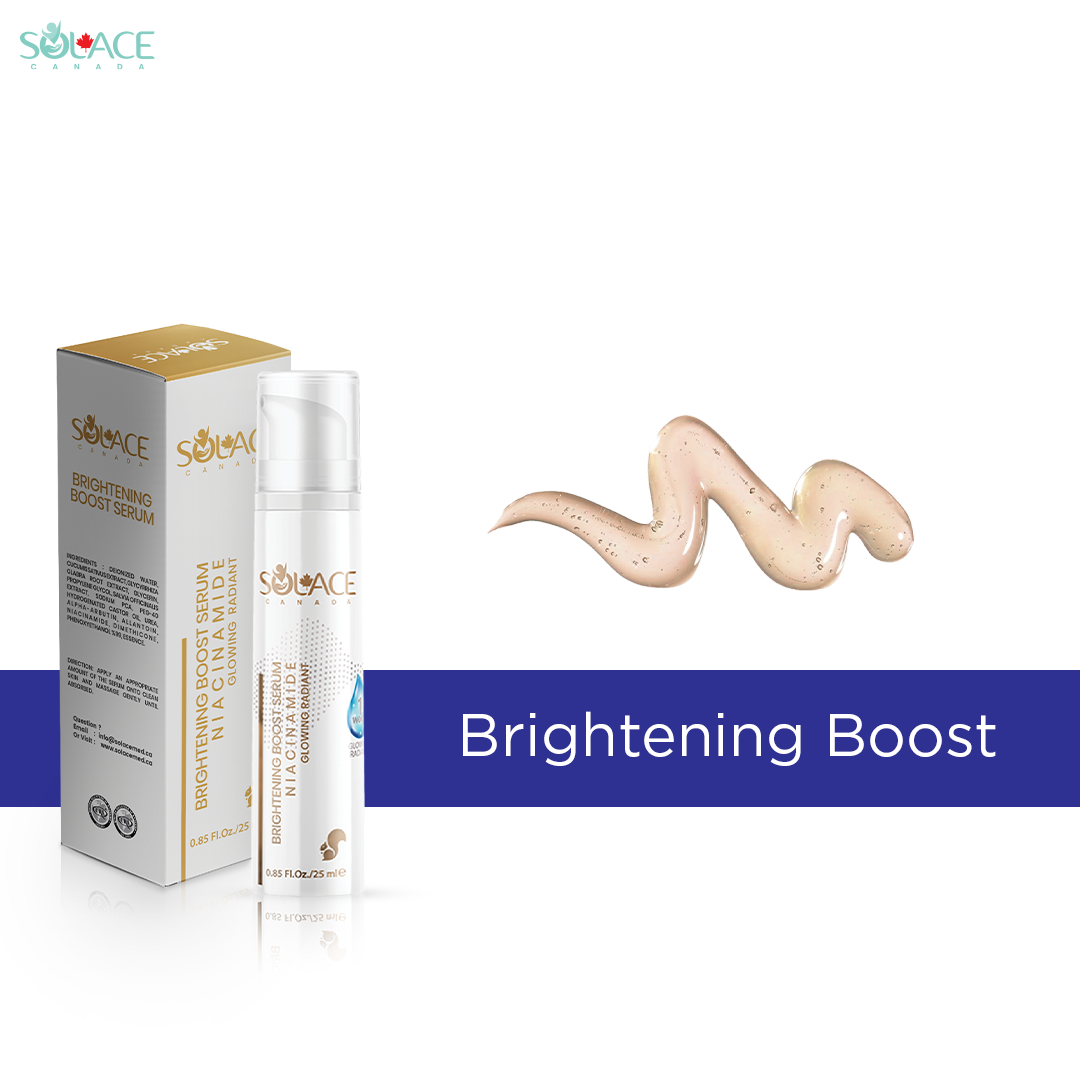
Solace Brightening & Hydrating Serum [ultimate solution for radiant clarity + deep hydration + visible spot reduction]

Solace Brightening & Hydrating Serum

The story behind Solace Brightening & Hydrating Serum

Every skin has a story and sometimes that story feels tired, dull, or uneven. I remember looking in the mirror one morning and feeling as though my skin was quietly asking for help. It looked fatigued, dehydrated, and somehow… disconnected from its usual glow. Stress, sun exposure, and sleepless nights had taken their toll.

That moment was the beginning of Solace Brightening & Hydrating Serum. Born out of years of clinical formulation, real-world consultations, and a deep understanding of what everyday skin truly needs, this serum was created to bring comfort and renewal not just surface-level change.

My goal wasn’t to make another “nice-to-have” product; I wanted to create a daily essential something that feels like a cool glass of water on a hot summer afternoon. Solace became exactly that: a sophisticated blend of science and nature, designed to go beyond the surface and deliver visible transformation from within.

If your skin feels dull, dry, or uneven lately, if dark spots are slowly appearing or your complexion has lost its spark; it might be time to start a new chapter with the Solace Brightening & Hydrating Serum.

What makes Solace different

This serum is engineered to target three essential pillars of healthy skin: brightness, hydration, and clarity all at once. Its lightweight formula absorbs instantly, leaving no tacky residue or shine. Unlike many serums that feel greasy or pill under makeup, Solace delivers a smooth, breathable finish suitable for all skin types from dry and sensitive to oily and combination.

It’s non-comedogenic, fragrance-free, and formulated to be safe even for breakout-prone skin. Each ingredient is carefully chosen to support the skin’s natural barrier while improving tone, texture, and radiance. Within just a few weeks, you’ll notice softer, more luminous, and more even-looking skin.

Key Benefits

  • Noticeable Brightening

For skin that’s lost its glow or developed uneven tone, the synergistic power of Niacinamide and Alpha Arbutin helps regulate melanin production, gradually revealing a more balanced complexion. Ideal for those dealing with hyperpigmentation, sunspots, or post-acne marks.

  • Multi-Level Hydration

Dryness isn’t just tightness, it’s also the root of dullness, fine lines, and rough texture. Sodium Hyaluronate, the star hydrating molecule in Solace, holds up to 1000 times its weight in water and delivers it deep into the skin, leaving it plump, dewy, and refreshed.

  • Dark Spot & Blemish Reduction

With consistent use, Alpha Arbutin visibly fades stubborn pigmentation and acne marks by regulating melanin pathways, helping restore an even, luminous tone.

  • Smoother, Softer Texture

Enriched with Cucumber Extract, Chamomile, and Sweet Almond Oil, this serum calms irritation, soothes roughness, and enhances overall smoothness. You’ll notice the difference every time you touch your skin.

  • Safe for Sensitive Skin

Free from parabens, sulfates, and harsh preservatives, Solace is designed with sensitive skin in mind. If most skincare products tend to irritate your complexion, this gentle formula offers a safe and effective place to start.

Star Ingredients & Their Roles

1. Sodium Hyaluronate

A hydration powerhouse. Its small molecular size allows it to penetrate deeply, drawing and retaining moisture where your skin needs it most. The result: fewer fine lines, improved elasticity, and a soft, supple feel.

2. Niacinamide (Vitamin B3)

A true multitasker. It minimizes the appearance of pores, evens out skin tone, reduces redness, and restores the skin’s natural radiance, all while helping regulate oil production, making it suitable even for oily skin types.

3. Alpha Arbutin

The brightening hero of the formula. It slows melanin synthesis, preventing the formation of new dark spots and fading existing ones over time. Combined with Niacinamide, it delivers a visibly clearer complexion.

4. Cucumber Extract

Known for its cooling and soothing properties, cucumber helps calm irritation, hydrate, and refresh tired skin. It’s one of the reasons Solace feels so gentle, even on reactive complexions.

5. Sweet Almond Oil

A soft, nourishing oil that smooths fine lines and improves texture without clogging pores. Its natural emollient properties help the skin stay balanced and moisturized throughout the day.

Which Skin Concerns Does the Solace Brightening & Hydrating Serum Target?

What makes the Solace Brightening & Hydrating Serum truly stand out is its ability to tackle multiple common skin concerns at once, not just one. Whether you’re dealing with dryness, dullness, pigmentation, or sensitivity, this formula works like a multitasking skincare ally.

  • Melasma and Sunspots

Excess melanin production is the root cause behind most pigmentation issues. The active ingredients in this serum regulate melanin synthesis, visibly fading dark patches and restoring a balanced, even tone.

  • Dullness and Fatigue

If your skin has lost its radiance, this serum helps reignite its natural glow by supporting the skin’s renewal process. The result: a healthier, more luminous complexion that feels alive again.

  • Severe Dryness

Thanks to multi-layer hydration from Sodium Hyaluronate, Solace offers deep and lasting moisture retention preventing water loss while keeping your skin plump, smooth, and comforted.

  • Redness and Sensitivity

With calming botanicals like Chamomile and Cucumber Extract, Solace soothes reactive, irritated skin. If your skin tends to sting or flush after applying products, this serum provides a gentle, reliable balance.

  • Enlarged Pores and Uneven Texture

Niacinamide and plant-based anti-inflammatories work together to refine skin texture and minimize the appearance of pores over time, giving the complexion a smoother finish.

  • Makeup-Ready Hydration

Hydrated skin means better makeup days. Solace preps the skin beautifully, helping foundation glide on seamlessly without patchiness or flaking.

How to Use the Solace Brightening & Hydrating Serum

To get the best results from your Solace serum, consistency and a few simple steps make all the difference.

Morning Routine

  1. Cleanse gently.
  2. Apply a few drops of the serum to slightly damp skin.
  3. Allow a few seconds for absorption.
  4. Follow with your favorite moisturizer.
  5. Finish with sunscreen; always.

Using Solace in the morning helps brighten the complexion and primes the skin for smoother makeup application throughout the day.

Evening Routine

  1. Double cleanse to remove makeup and impurities.
  2. Apply the serum on clean, dry skin.
  3. Massage gently until absorbed.
  4. Seal with a nourishing night cream.

Nighttime application gives the active ingredients time to work while your skin naturally regenerates. For dehydrated or pigmented skin, this step is especially crucial.

Pro Tips

  • Avoid layering Solace directly with Retinol alternate nights are best.
  • If using Vitamin C, apply it in the morning and Solace in the evening.
  • For visible transformation, consistent use for 4–8 weeks is recommended.

Four Faces, Four Stories: Real Experiences from the Solace Community

Every skin tells its own story and these real testimonials from our community show how Solace has become part of many people’s skin transformations.

1. Nadia, 32 — Oily, Sensitive Skin

Nadia used to say that no serum ever lasted two minutes on her skin, everything caused redness or breakouts. But after consistent use of Solace, her first words were, “It feels like my skin can finally breathe.” The lightweight texture didn’t clog her pores, and over time, her cheeks looked smoother and more balanced. Most of all, she noticed a healthy, natural glow that no makeup could replicate.

2. Samira, 40 — Dry, Sun-Spotted Skin

For years, Samira battled stubborn sunspots across her cheeks, which deepened every summer. After six weeks of Solace, she said it looked as if her spots were “fading backward.” Her skin felt softer, less tight, and visibly more even. “It finally feels like my skin belongs to me again,” she shared.

3. Adam, 26 — Combination Skin with Acne Scars

Adam had long avoided cameras and filters because of old acne scars. Within weeks of using Solace, he saw those marks begin to fade, and his skin texture became smoother. The difference was so noticeable that friends started asking what product he was using. “For the first time, I didn’t edit my selfies,” he laughed.

4. Aisha, 35 — Normal but Dull Skin

Aisha didn’t struggle with major skin issues, but she always felt her complexion looked “tired.” After using Solace, she said her face looked brighter and more awake. “I even look less exhausted,” she noted. For her, the serum became the perfect pre-makeup step, helping foundation blend beautifully while keeping her skin soft and hydrated all day.

Final Thoughts

At its heart, the Solace Brightening & Hydrating Serum isn’t just skincare; it’s an experience. The experience of waking up to brighter, smoother, calmer skin. The experience of feeling confident without heavy makeup. We created Solace with one simple mission: to let your skin breathe, shine, and simply be its best self.

If your complexion feels dull, if dark spots have overstayed their welcome, if dryness, sensitivity, or uneven texture have been holding you back; it’s time to start fresh. Solace isn’t a promise; it’s a beginning. A clearer, more luminous, and hydrated beginning.

References

Exploring cucumber extract for skin rejuvenation

What Is Sodium Hyaluronate and How Is It Used in Skin Care?

Niacinamide Uses for Skin: Benefits and Side Effects – WebMD

Arbutin as a Skin Depigmenting Agent with Antimelanogenic and Antioxidant Properties

An updated review on efficacy and benefits of sweet almond, evening primrose and jojoba oils in skin care applications

Cold or warm water for mixing whey protein? A Clinical and Practical Guide for Optimal Nutrition

Cold or warm water for mixing whey protein

In everyday life, people often disagree over seemingly trivial preferences. Consider, for instance, debates about whether tea should be piping hot or served over ice, or whether coffee tastes better black or with milk. Yet, when a similar debate occurs regarding nutritional supplements particularly whey protein, the discussion takes on greater significance. One of the most frequently asked questions among physically active individuals, patients following protein-enriched diets, and even healthcare professionals is deceptively simple:

Should whey protein be consumed with cold water or warm water?

Interestingly, this question is not limited to beginners. In fact, it is most commonly raised by individuals who already consume protein regularly and are seeking to optimize outcomes, better digestion, improved solubility, superior taste, and maximal preservation of nutritional value. These are individuals who no longer view protein intake as a box to be checked, but as a variable that can be refined.

What Is Whey Protein and Why Is It So Widely Used?

Whey protein is widely regarded as the gold standard among protein supplements. Derived from milk during the cheese-making process, whey is the liquid fraction that remains after milk curdles and is strained. Once processed and dried, it becomes the familiar powdered supplement used across clinical nutrition, sports medicine, and general wellness.

Key Reasons for Whey Protein’s Popularity

1- Rapid Absorption

The body digests and absorbs whey protein faster than most other protein sources, such as casein or soy. This rapid bioavailability makes it particularly valuable after physical activity, illness, or periods of fasting.

2- High Biological Value

Whey protein contains all essential amino acids, with a particularly high concentration of leucine—the amino acid most directly involved in muscle protein synthesis.

3- Versatility of Use

Whey protein can be consumed as a shake, incorporated into foods such as oatmeal and pancakes, or blended into smoothies and hot beverages.

4- Broad Clinical Applications

Athletes and non-athletes alike use whey protein for diverse purposes:

  • Individuals managing weight loss
  • Older adults to prevent sarcopenia
  • Patients recovering from surgery or illness
  • People with increased protein requirements due to metabolic or lifestyle factors

Because of this versatility, whey protein is a staple not only in gyms but also in clinical and home nutrition settings.

Cold Water vs. Warm Water: Why Temperature Matters

At first glance, the temperature of water used to mix whey protein may appear irrelevant. However, temperature influences solubility, texture, palatability, digestive comfort, and user compliance, all of which matter in real-world nutrition.

1- The Role of Temperature in Protein Solubility

Cold Water

  • Cold water dissolves whey protein, but more slowly.
  • If not shaken vigorously, it may clump.
  • Many users prefer a shaker bottle or blender to ensure smooth texture.

Warm or Lukewarm Water

  • Warm water helps disperse protein particles evenly.
  • As a result, it produces a smoother consistency.
  • Consequently, clumping is reduced when prepared correctly.

From a purely mechanical standpoint, warm water facilitates easier mixing. However, ease of mixing is only one aspect of the equation.

2- Does Heat Damage Whey Protein?

This is the most common concern among users:
Does warm or hot water destroy whey protein?

Proteins are complex molecules with folded three-dimensional structures. Heat can unfold these structures in a process called denaturation. Importantly, denaturation does not destroy amino acids. The body digests the denatured protein efficiently, which allows it to remain nutritionally valuable.

This is why cooked eggs, pasteurized milk, and cooked meat remain excellent protein sources.

3- Temperature Thresholds That Matter

  • Below 100°C (212°F)
    Structural denaturation may occur, but nutritional value is preserved.
  • Boiling or prolonged high heat
    Texture, taste, and solubility may degrade, but amino acid content remains largely intact.

In practical terms, adding whey protein to warm or hot (but not boiling) water does not negate its benefits.

4- Seasonal and Climatic Considerations

Dietary habits are strongly influenced by climate. Unlike regions with stable temperatures year-round, some regions experience significant seasonal variation, which affects hydration preferences, digestion, and compliance.

Warm beverages are often better tolerated and more appealing, particularly in the morning or evening.

Consuming whey protein with warm water or warm milk alternatives can:

  • Increase compliance
  • Provide a comforting, satiety-enhancing experience
  • Reduce gastrointestinal discomfort in cold conditions

And during warmer months:

  • Iced whey smoothies are often preferred
  • Cold water-based whey shakes provide refreshment
  • Cold preparation may feel more hydrating post-exercise

From a nutritional standpoint, both approaches are valid, and seasonal adaptation is reasonable and often beneficial.

5- Impact on Specific Health and Fitness Goals

Weight Management

For individuals aiming to reduce caloric intake:

  • Mixing whey protein with water (cold or warm) avoids added calories
  • Warm preparations may enhance satiety in some individuals

Muscle Gain and Recovery

For individuals seeking muscle hypertrophy:

  • Mixing whey with milk or fortified plant-based beverages increases caloric and protein density
  • Temperature choice does not significantly affect muscle protein synthesis

Digestive Sensitivity

Some individuals experience bloating or discomfort:

  • This is more often related to lactose content than water temperature
  • Whey isolate or hydrolyzed whey may be better tolerated
  • Lukewarm preparation may reduce gastric stress in sensitive individuals

Practical Preparation Guidelines for Warm Whey Protein

To avoid clumping and preserve texture:

  • First, mix whey protein with a small amount of room-temperature water.
  • Next, stir until smooth.
  • Then, gradually add warm (not boiling) water or milk.
  • Finally, continue stirring until fully blended.

Recommended temperature range: 40–60°C (104–140°F)

Avoid adding powder directly to boiling liquid.

Types of Whey Protein and Heat Compatibility

Concentrate Whey

  • Contains lactose and fat
  • May clump more easily
  • Suitable for most users

Isolate Whey

  • Higher protein purity
  • Lower lactose content
  • Better solubility, including in warm liquids

Hydrolysate Whey

  • Pre-digested peptides
  • Excellent solubility at any temperature
  • Often recommended in clinical settings

For warm beverages, isolate or hydrolysate is generally preferable.

Creative and Practical Consumption Ideas

1- Cold Preparations

  • Whey + cold water + ice + berries
  • Whey smoothie with banana and plant milk

2- Warm Preparations

  • Vanilla whey + warm almond milk + cinnamon
  • Whey blended into oatmeal
  • Protein latte with coffee and warm milk

These approaches support long-term adherence, which is often more important than minor nutritional differences.

Frequently Asked Clinical Questions

Does boiling water destroy whey protein?
No. It may alter texture and taste, but amino acids remain intact.

Is whey with water better than whey with milk for fat loss?
Water minimizes caloric intake; milk increases satiety and nutrient density.

Can warm whey cause digestive problems?
Rarely. Issues are usually related to lactose sensitivity.

Do spices like cocoa or cinnamon reduce protein quality?
No. They may add antioxidant benefits and improve palatability.

Final Thoughts

There is no universally “correct” answer to whether whey protein should be consumed with cold or warm water. From a medical and nutritional standpoint, both methods are valid, and the optimal choice depends on individual goals, digestive tolerance, seasonal climate, and personal preference.

What matters most is consistent, appropriate protein intake tailored to the individual. Temperature is a secondary variable, not a determining factor in effectiveness.

At Jam Medical, nutritional strategies are designed with this individualized philosophy in mind. By integrating clinical expertise, evidence-based guidance, and practical lifestyle considerations, Jam supports sustainable health outcomes, whether the goal is weight management, muscle preservation, or overall metabolic health.

References

Can You Mix Whey Protein with Hot Water?

Heat-induced denaturation and bioactivity changes of whey proteins

Effects of Heat Processing on the Functionality of Whey Protein Concentrates

Solace Hydrating & Softening Body Gel-Cream: Deep Hydration, Radiance, and Rejuvenation for Your Skin

Solace Hydrating & Softening Body Gel-Cream

The day Solace Hydrating & Softening Body Gel-Cream arrived was the very day my skin had officially given up on me. Moreover, Between dry winter air, harsh sun, and the relentless monotony of routine skincare, and as a result my elbows were looking pale and flaky; those moments you just wish you could hide under your sleeve.

That morning, I opened the freshly delivered package; consequently, it felt like a new chapter in my skin’s story was beginning. In addition, The first touch revealed its lightweight texture, subtle scent, and cooling sensation, instant clues as to why this product quickly became a staple in the Solace lineup.

After hearing rave feedback from someone who had tried it, I knew I had to write this article. Solace Hydrating & Softening Body Gel-Cream isn’t just another moisturizer; it’s the kind of product you need to experience once to truly understand what real hydration feels like. This isn’t a marketing spiel; it’s a journey into its ingredients, efficacy, and the genuine story of modern body care. Buckle up; this is where it all begins.

What Is Solace Hydrating & Softening Body Gel-Cream?

Indeed, Solace Hydrating & Softening Body Gel-Cream is more than a moisturizer; it’s a sophisticated, high-performance formula that starts working on your skin the moment you apply it. Designed as a gel-cream hybrid, it’s balanced perfectly: light enough to feel effortless, yet rich enough to deliver noticeable results.

Furthermore, When it comes to fast-absorbing, non-greasy hydration, this product is one of the most effective on the market. It’s suitable for all skin types from dry, rough patches to sensitive, reactive skin. For anyone who wants serious skincare without spending hours, it’s an ideal choice.

What sets it apart is a smart blend of hyaluronic acid, a multi-vitamin complex, and skin-rejuvenating actives. Solace Hydrating & Softening Body Gel-Cream hydrates, softens, and brightens simultaneously while strengthening the skin’s natural barrier. The result? Skin that feels revitalized, touchably smooth, and naturally radiant.

Key Benefits of Solace Hydrating & Softening Body Gel-Cream

This isn’t just a moisturizer; it’s a multi-tasking treatment designed to meet all your skin’s needs:

  • Immediate and Long-Lasting Hydration

Immediately, from the first application, your skin feels refreshed and cooled, like a sip of water for your body. Hyaluronic acid acts as a natural moisture magnet, locking in hydration.

  • Smooths Rough, Uneven Skin

Similarly, if dryness, shaving, or environmental factors have left your skin rough, the gel-cream’s gentle, nourishing formula quickly evens out the texture.

  • Restores Natural Radiance

Additionally, a multi-vitamin complex helps your skin regain its natural tone and vitality. Say goodbye to dullness and hello to a healthy, luminous glow.

  • Strengthens the Skin Barrier

Environmental stressors can leave your skin vulnerable. Packed with vitamins, including B5, this gel-cream fortifies the skin’s defenses against dryness, irritation, and inflammation.

  • Suitable for All Skin Types

From dry to oily, sensitive to normal, it’s designed to be universally compatible. Its lightweight, non-greasy formula makes it perfect for anyone who dislikes heavy creams.

Key Ingredients and Their Benefits in Solace Hydrating & Softening Body Gel-Cream

The effectiveness of any skincare product starts with its ingredients. Solace Hydrating & Softening Body Gel-Cream is built on a foundation of science and clinical results, carefully formulated to deliver the best performance for your skin.

1- Hyaluronic Acid

First, a true hydration powerhouse. Its ability to lock in moisture instantly plumps and softens the skin. In this gel-cream, hyaluronic acid helps reduce fine lines and improves elasticity for a visibly smoother, more youthful appearance.

2- Alpha-Arbutin

Next, a globally recognized brightening ingredient. Alpha-arbutin helps fade dark spots, sun-induced pigmentation, and uneven skin tone, revealing a more luminous complexion.

3- Dexpanthenol (Vitamin B5)

A dermatologist-favorite repair agent. Moreover, B5 calms inflammation, supports skin recovery, and strengthens the skin barrier, making it ideal for sensitive or stressed skin.

4- Retinyl Palmitate (Vitamin A)

A gentle, stable form of Vitamin A. Additionally, it encourages collagen production and improves skin texture, helping reduce the appearance of fine lines for a smoother, younger-looking body skin.

5- Niacinamide (Vitamin B3)

A true skincare star. Furthermore, Niacinamide reduces redness, minimizes the appearance of pores, evens skin texture, and gradually improves overall skin clarity. Daily use helps skin appear brighter and healthier.

6- Vitamin E

Also, a powerful antioxidant that protects against free radicals. In this gel-cream, it offers both anti-aging and protective benefits, keeping skin resilient against environmental stressors.

7- Glycerin

Finally, a classic yet highly effective hydrator. Combined with hyaluronic acid, glycerin helps retain moisture deep within the skin, ensuring long-lasting hydration.

Common Skin Concerns Targeted by Solace Hydrating & Softening Body Gel-Cream

This multi-functional gel-cream addresses several common skin issues simultaneously, making it suitable for a wide range of needs:

  • Dryness and Dehydration

Quickly penetrates and hydrates deeply, alleviating dry patches from the very first use.

  • Dullness and Tired-Looking Skin

Hyaluronic acid and the multi-vitamin complex restore natural radiance and vitality.

  • Roughness, Uneven Texture, and Inflammation

Soothes and smooths rough skin caused by shaving, cold weather, or other stressors perfect for skin prone to redness post-shower or post-shave.

  • Hyperpigmentation and Dark Spots

Alpha-arbutin and niacinamide brighten and even out tone, helping reduce the appearance of sun-damaged or darkened areas.

  • Environmental Damage

Pollution, heat, cold, and sun exposure can weaken skin. This gel-cream strengthens the protective barrier, keeping skin healthy and resilient.

  • Enlarged Pores and Body Acne

Niacinamide helps refine pores and balance skin texture, making it suitable for areas prone to breakouts, like shoulders or back.

Real User Experiences with Solace Hydrating & Softening Body Gel-Cream

Nothing illustrates a product’s power like real-world experiences. Here are five testimonials from people who added this gel-cream to their routines:

Nora, 34, Dry & Sensitive Skin

Nora had always avoided body creams; they either caused itching or didn’t absorb properly. After a week of daily use, she noticed her skin stayed comfortable all day, especially on her legs. She no longer needed to layer multiple products to see results.

Ryan, 28, Athlete

With heavy workouts, frequent sweating, and regular shaving, Ryan’s arms and shoulders often became inflamed. He says this gel-cream was the only product that absorbed quickly, felt lightweight, and reduced post-exercise redness. He describes it as giving his skin room to breathe.

Elaine, 41, Busy Professional

Elaine struggled with dull, tired-looking skin. With consistent use, she noticed her arms and décolleté looked brighter and more energized, even on mornings when she woke up late. It’s now her bedside skincare essential.

Maya, 25, Combination & Sensitive Skin

Maya loves lightweight textures and hates greasy creams. She describes this gel-cream as “true love for the skin”: non-greasy, soothing, and acne-friendly. It feels like a soft cloud on her body.

Aidan, 38, Sun-Damaged Skin After Travel

After a sunny trip, Aidan’s skin was extremely dry and rough. Just a few days of consistent use restored softness and reduced the appearance of sun-darkened areas. He says his skin finally felt touchably smooth again.

How to Get the Most from Solace Hydrating & Softening Body Gel-Cream

To achieve the best results, a few simple tips can make all the difference:

  • When to Apply

The optimal time is right after a shower, when your skin is slightly damp and most receptive to hydration. Of course, it can also be used morning and night. Solace Hydrating & Softening Body Gel-Cream is designed for daily, long-term use.

  • How Much to Use

A thin, even layer is all you need. Its gel-cream texture spreads effortlessly, so there’s no need to overapply.

  • Best Areas to Target

This cream works wonders on legs, thighs, arms, abdomen, décolleté, and hands. Areas like elbows and knees usually show visible improvement after just a week of consistent use.

  • For Sensitive Skin

It’s suitable for sensitive skin. If your skin is particularly reactive, start with once daily. Once your skin adjusts, you can increase usage.

  • For Dark Spots and Uneven Tone

Gently massage areas with hyperpigmentation to help the brightening ingredients absorb more effectively.

Why Solace Body Gel-Cream Stands Out

In today’s crowded skincare market, what truly sets this gel-cream apart?

  • Scientific, Modern Formulation

More than a moisturizer, its combination of hyaluronic acid, alpha-arbutin, retinyl palmitate, and niacinamide is rarely seen together in body care. It’s a complete solution for hydration, brightening, repair, and anti-aging.

  • Ultra-Lightweight Texture

Those who dislike greasy products fall in love instantly. It absorbs so quickly it feels like your skin drinks it up.

  • Suitable for Challenging Climates

Pollution, heat, dryness, and cold winds can all stress the skin. This formula is designed to perform under such conditions, not too heavy, not ineffective.

  • Safe for All Skin Types

Paraben-free, sulfate-free, and dermatologist-tested, meeting the standards you expect.

  • Multi-Functional Benefits

From hydration to brightening, repair to soothing inflammation, protection to gentle anti-aging; this gel-cream simplifies your body care routine without compromising results.

Final Thoughts

If body skincare hasn’t been a priority until now, it’s time to start a new relationship with your skin. Solace Hydrating & Softening Body Gel-Cream doesn’t just leave skin soft, radiant, and fresh; it delivers a real, tangible sense of confidence and well-being.

This product is designed for anyone who wants their body care to be as considered and effective as their facial routine. With its lightweight, scientific, and precise formula, it quickly becomes the go-to product you never want to skip, especially after a shower.

Writing this article marks the end of my journey, but for your skin, the transformation is just beginning. If you’re ready for real change, this gel-cream is the perfect place to start.

References

Vitamin E in dermatology – PMC

Niacinamide: Skin Benefits, Risks, and More

Topical use of dexpanthenol in skin disorders

What Does Glycerin Do for Your Skin? – Glycerin Benefits

Hyaluronic Acid: What It Is, Benefits, How To Use & Side Effects

Efficacy and mechanism of retinyl palmitate against UVB-induced skin photoaging