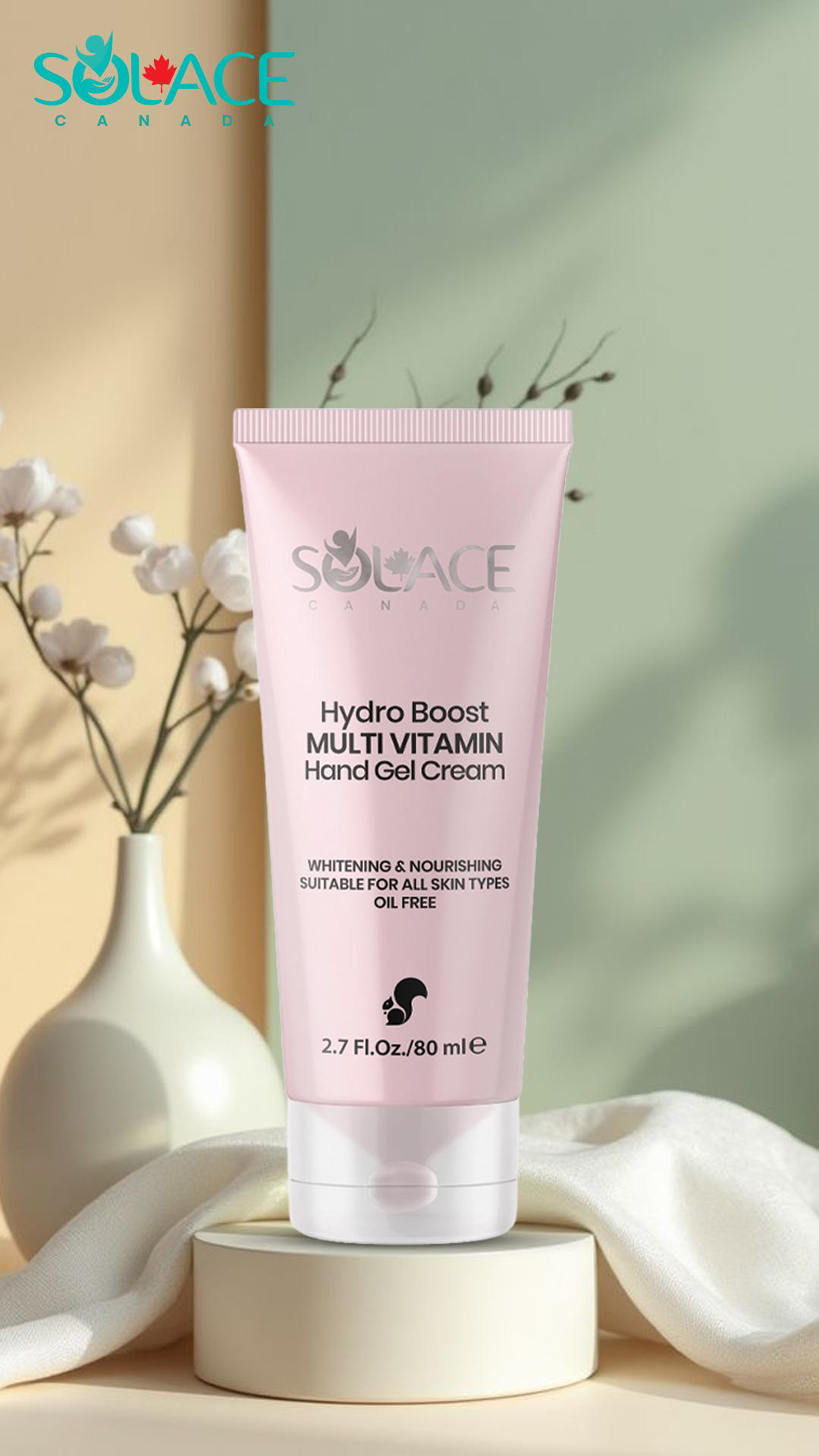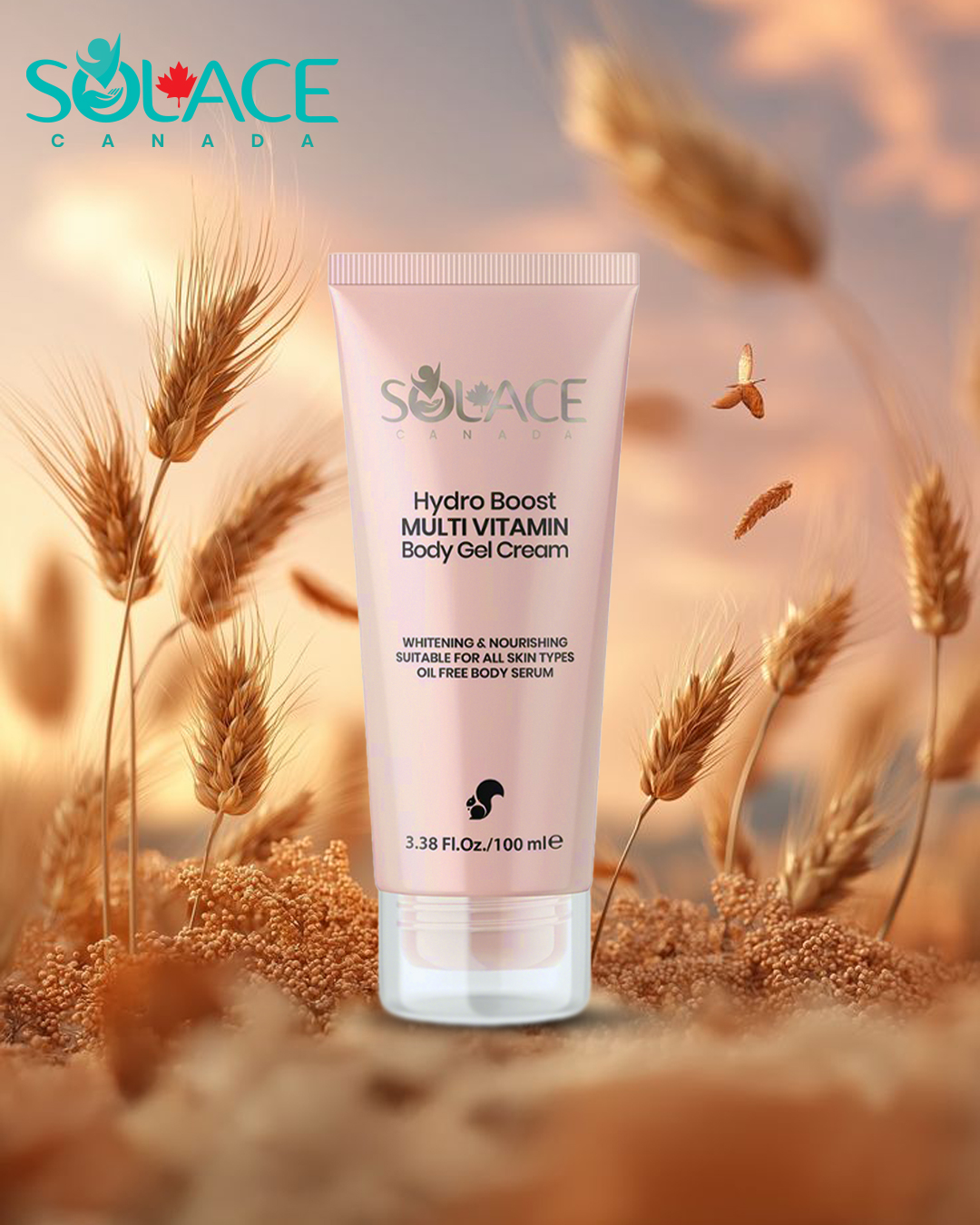

Solace Hydrating & Softening Body Gel-Cream: Deep Hydration, Radiance, and Rejuvenation for Your Skin

Solace Hydrating & Softening Body Gel-Cream

The day Solace Hydrating & Softening Body Gel-Cream arrived was the very day my skin had officially given up on me. Moreover, Between dry winter air, harsh sun, and the relentless monotony of routine skincare, and as a result my elbows were looking pale and flaky; those moments you just wish you could hide under your sleeve.

That morning, I opened the freshly delivered package; consequently, it felt like a new chapter in my skin’s story was beginning. In addition, The first touch revealed its lightweight texture, subtle scent, and cooling sensation, instant clues as to why this product quickly became a staple in the Solace lineup.

After hearing rave feedback from someone who had tried it, I knew I had to write this article. Solace Hydrating & Softening Body Gel-Cream isn’t just another moisturizer; it’s the kind of product you need to experience once to truly understand what real hydration feels like. This isn’t a marketing spiel; it’s a journey into its ingredients, efficacy, and the genuine story of modern body care. Buckle up; this is where it all begins.

What Is Solace Hydrating & Softening Body Gel-Cream?

Indeed, Solace Hydrating & Softening Body Gel-Cream is more than a moisturizer; it’s a sophisticated, high-performance formula that starts working on your skin the moment you apply it. Designed as a gel-cream hybrid, it’s balanced perfectly: light enough to feel effortless, yet rich enough to deliver noticeable results.

Furthermore, When it comes to fast-absorbing, non-greasy hydration, this product is one of the most effective on the market. It’s suitable for all skin types from dry, rough patches to sensitive, reactive skin. For anyone who wants serious skincare without spending hours, it’s an ideal choice.

What sets it apart is a smart blend of hyaluronic acid, a multi-vitamin complex, and skin-rejuvenating actives. Solace Hydrating & Softening Body Gel-Cream hydrates, softens, and brightens simultaneously while strengthening the skin’s natural barrier. The result? Skin that feels revitalized, touchably smooth, and naturally radiant.

Key Benefits of Solace Hydrating & Softening Body Gel-Cream

This isn’t just a moisturizer; it’s a multi-tasking treatment designed to meet all your skin’s needs:

  • Immediate and Long-Lasting Hydration

Immediately, from the first application, your skin feels refreshed and cooled, like a sip of water for your body. Hyaluronic acid acts as a natural moisture magnet, locking in hydration.

  • Smooths Rough, Uneven Skin

Similarly, if dryness, shaving, or environmental factors have left your skin rough, the gel-cream’s gentle, nourishing formula quickly evens out the texture.

  • Restores Natural Radiance

Additionally, a multi-vitamin complex helps your skin regain its natural tone and vitality. Say goodbye to dullness and hello to a healthy, luminous glow.

  • Strengthens the Skin Barrier

Environmental stressors can leave your skin vulnerable. Packed with vitamins, including B5, this gel-cream fortifies the skin’s defenses against dryness, irritation, and inflammation.

  • Suitable for All Skin Types

From dry to oily, sensitive to normal, it’s designed to be universally compatible. Its lightweight, non-greasy formula makes it perfect for anyone who dislikes heavy creams.

Key Ingredients and Their Benefits in Solace Hydrating & Softening Body Gel-Cream

The effectiveness of any skincare product starts with its ingredients. Solace Hydrating & Softening Body Gel-Cream is built on a foundation of science and clinical results, carefully formulated to deliver the best performance for your skin.

1- Hyaluronic Acid

First, a true hydration powerhouse. Its ability to lock in moisture instantly plumps and softens the skin. In this gel-cream, hyaluronic acid helps reduce fine lines and improves elasticity for a visibly smoother, more youthful appearance.

2- Alpha-Arbutin

Next, a globally recognized brightening ingredient. Alpha-arbutin helps fade dark spots, sun-induced pigmentation, and uneven skin tone, revealing a more luminous complexion.

3- Dexpanthenol (Vitamin B5)

A dermatologist-favorite repair agent. Moreover, B5 calms inflammation, supports skin recovery, and strengthens the skin barrier, making it ideal for sensitive or stressed skin.

4- Retinyl Palmitate (Vitamin A)

A gentle, stable form of Vitamin A. Additionally, it encourages collagen production and improves skin texture, helping reduce the appearance of fine lines for a smoother, younger-looking body skin.

5- Niacinamide (Vitamin B3)

A true skincare star. Furthermore, Niacinamide reduces redness, minimizes the appearance of pores, evens skin texture, and gradually improves overall skin clarity. Daily use helps skin appear brighter and healthier.

6- Vitamin E

Also, a powerful antioxidant that protects against free radicals. In this gel-cream, it offers both anti-aging and protective benefits, keeping skin resilient against environmental stressors.

7- Glycerin

Finally, a classic yet highly effective hydrator. Combined with hyaluronic acid, glycerin helps retain moisture deep within the skin, ensuring long-lasting hydration.

Common Skin Concerns Targeted by Solace Hydrating & Softening Body Gel-Cream

This multi-functional gel-cream addresses several common skin issues simultaneously, making it suitable for a wide range of needs:

  • Dryness and Dehydration

Quickly penetrates and hydrates deeply, alleviating dry patches from the very first use.

  • Dullness and Tired-Looking Skin

Hyaluronic acid and the multi-vitamin complex restore natural radiance and vitality.

  • Roughness, Uneven Texture, and Inflammation

Soothes and smooths rough skin caused by shaving, cold weather, or other stressors perfect for skin prone to redness post-shower or post-shave.

  • Hyperpigmentation and Dark Spots

Alpha-arbutin and niacinamide brighten and even out tone, helping reduce the appearance of sun-damaged or darkened areas.

  • Environmental Damage

Pollution, heat, cold, and sun exposure can weaken skin. This gel-cream strengthens the protective barrier, keeping skin healthy and resilient.

  • Enlarged Pores and Body Acne

Niacinamide helps refine pores and balance skin texture, making it suitable for areas prone to breakouts, like shoulders or back.

Real User Experiences with Solace Hydrating & Softening Body Gel-Cream

Nothing illustrates a product’s power like real-world experiences. Here are five testimonials from people who added this gel-cream to their routines:

Nora, 34, Dry & Sensitive Skin

Nora had always avoided body creams; they either caused itching or didn’t absorb properly. After a week of daily use, she noticed her skin stayed comfortable all day, especially on her legs. She no longer needed to layer multiple products to see results.

Ryan, 28, Athlete

With heavy workouts, frequent sweating, and regular shaving, Ryan’s arms and shoulders often became inflamed. He says this gel-cream was the only product that absorbed quickly, felt lightweight, and reduced post-exercise redness. He describes it as giving his skin room to breathe.

Elaine, 41, Busy Professional

Elaine struggled with dull, tired-looking skin. With consistent use, she noticed her arms and décolleté looked brighter and more energized, even on mornings when she woke up late. It’s now her bedside skincare essential.

Maya, 25, Combination & Sensitive Skin

Maya loves lightweight textures and hates greasy creams. She describes this gel-cream as “true love for the skin”: non-greasy, soothing, and acne-friendly. It feels like a soft cloud on her body.

Aidan, 38, Sun-Damaged Skin After Travel

After a sunny trip, Aidan’s skin was extremely dry and rough. Just a few days of consistent use restored softness and reduced the appearance of sun-darkened areas. He says his skin finally felt touchably smooth again.

How to Get the Most from Solace Hydrating & Softening Body Gel-Cream

To achieve the best results, a few simple tips can make all the difference:

  • When to Apply

The optimal time is right after a shower, when your skin is slightly damp and most receptive to hydration. Of course, it can also be used morning and night. Solace Hydrating & Softening Body Gel-Cream is designed for daily, long-term use.

  • How Much to Use

A thin, even layer is all you need. Its gel-cream texture spreads effortlessly, so there’s no need to overapply.

  • Best Areas to Target

This cream works wonders on legs, thighs, arms, abdomen, décolleté, and hands. Areas like elbows and knees usually show visible improvement after just a week of consistent use.

  • For Sensitive Skin

It’s suitable for sensitive skin. If your skin is particularly reactive, start with once daily. Once your skin adjusts, you can increase usage.

  • For Dark Spots and Uneven Tone

Gently massage areas with hyperpigmentation to help the brightening ingredients absorb more effectively.

Why Solace Body Gel-Cream Stands Out

In today’s crowded skincare market, what truly sets this gel-cream apart?

  • Scientific, Modern Formulation

More than a moisturizer, its combination of hyaluronic acid, alpha-arbutin, retinyl palmitate, and niacinamide is rarely seen together in body care. It’s a complete solution for hydration, brightening, repair, and anti-aging.

  • Ultra-Lightweight Texture

Those who dislike greasy products fall in love instantly. It absorbs so quickly it feels like your skin drinks it up.

  • Suitable for Challenging Climates

Pollution, heat, dryness, and cold winds can all stress the skin. This formula is designed to perform under such conditions, not too heavy, not ineffective.

  • Safe for All Skin Types

Paraben-free, sulfate-free, and dermatologist-tested, meeting the standards you expect.

  • Multi-Functional Benefits

From hydration to brightening, repair to soothing inflammation, protection to gentle anti-aging; this gel-cream simplifies your body care routine without compromising results.

Final Thoughts

If body skincare hasn’t been a priority until now, it’s time to start a new relationship with your skin. Solace Hydrating & Softening Body Gel-Cream doesn’t just leave skin soft, radiant, and fresh; it delivers a real, tangible sense of confidence and well-being.

This product is designed for anyone who wants their body care to be as considered and effective as their facial routine. With its lightweight, scientific, and precise formula, it quickly becomes the go-to product you never want to skip, especially after a shower.

Writing this article marks the end of my journey, but for your skin, the transformation is just beginning. If you’re ready for real change, this gel-cream is the perfect place to start.

References

Vitamin E in dermatology – PMC

Niacinamide: Skin Benefits, Risks, and More

Topical use of dexpanthenol in skin disorders

What Does Glycerin Do for Your Skin? – Glycerin Benefits

Hyaluronic Acid: What It Is, Benefits, How To Use & Side Effects

Efficacy and mechanism of retinyl palmitate against UVB-induced skin photoaging

The Best Time to Take Whey Protein for Fat Loss: Science, Strategy, and Real-World Application

Best time to take whey protein for fat loss

In the world of fitness and weight management, one question has persisted for years, simple on the surface, yet complex in practice: Does timing matter more than the nutrient itself?
When it comes to whey protein, modern sports nutrition suggests that the answer is not binary. It is not what you consume alone, nor when you consume it in isolation but the interaction between timing, physiology, lifestyle, and metabolic demand that ultimately determines results.

Whey protein has long been positioned as a cornerstone supplement for athletes, bodybuilders, and individuals pursuing weight loss. Yet many people use it incorrectly, inconsistently, or without understanding its biological context. The consequence is familiar: disciplined effort with disappointing outcomes.

Think of the human body as a finely tuned instrument. Nutrients are not just inputs, they are signals. When delivered at the right moment, they amplify fat oxidation, preserve lean mass, and stabilize appetite. When mistimed, even the highest-quality protein can become metabolically neutral or worse, counterproductive.

If your focus has always been “What should I eat?”, it may be time to ask the more strategic question: “When should I eat it?”

This distinction marks the difference between a restrictive diet that leads nowhere and a sustainable, physiologically aligned fat-loss strategy.

What Is Whey Protein and Why Is It So Widely Used?

Whey protein is derived from milk during the cheese-making process and represents the fast-digesting, biologically active fraction of dairy protein. Its popularity is not accidental; whey is one of the most extensively studied nutritional supplements in clinical and sports science.

From a biochemical standpoint, whey protein stands out due to:

  • High biological value
  • Rapid absorption
  • Rich concentration of branched-chain amino acids (BCAAs), particularly leucine

These properties make whey uniquely effective not only for muscle protein synthesis, but also for fat loss under caloric restriction.

Why Whey Protein Supports Fat Loss

While protein is often associated with muscle building, its role in fat loss is equally significant:

1- Appetite Regulation and Satiety

Whey protein stimulates the release of satiety hormones such as GLP-1 and PYY, helping reduce hunger and spontaneous calorie intake throughout the day.

2- Preservation of Lean Body Mass

During weight loss, especially in calorie deficits muscle tissue is at risk. Whey helps protect lean mass, ensuring that the body preferentially burns fat rather than muscle.

3- Increased Thermogenesis

Protein has a higher thermic effect than carbohydrates or fats, meaning the body expends more energy digesting it. This modest but meaningful increase in energy expenditure contributes to long-term fat loss.

4- Metabolic Efficiency in Active Individuals

In people engaging in resistance or endurance training, whey protein enhances recovery, allowing for more consistent and effective workouts an indirect but crucial driver of fat loss.

For these reasons, whey protein has moved beyond athletic circles and into mainstream medical nutrition, weight-management programs, and preventive health strategies across North America and Europe.

Does Timing Really Matter for Fat Loss?

Yes, but not in a simplistic, one-size-fits-all way.

Just as caffeine has different effects when consumed in the morning versus late evening, whey protein interacts differently with metabolism depending on circadian rhythm, training status, insulin sensitivity, and daily activity patterns.

Below, we examine the most evidence-supported timing strategies for fat loss.

1- Morning Intake: Breaking the Overnight Catabolic State

After 7–9 hours of sleep, the body is in a mildly catabolic state. Glycogen stores are depleted, cortisol levels are elevated, and muscle protein breakdown is ongoing.

Consuming whey protein in the morning can:

  • Rapidly supply amino acids
  • Reduce muscle breakdown
  • Increase metabolic rate early in the day
  • Improve appetite control at breakfast

Best suited for:

  • Individuals who skip or under-eat breakfast
  • Those aiming to reduce late-night overeating
  • People following calorie-controlled diets

2- Pre-Workout Whey: Muscle Protection and Fat Utilization

Consuming whey protein 30–60 minutes before exercise provides circulating amino acids during training. This timing does not directly “burn fat,” but it creates conditions that support fat loss indirectly.

Benefits include:

  • Reduced muscle protein breakdown
  • Improved workout performance
  • Enhanced recovery capacity

3- Post-Workout Whey: The Anabolic Window Reconsidered

The concept of a narrow “anabolic window” has evolved, but the post-exercise period remains metabolically significant.

After training:

  • Muscle cells are more insulin-sensitive
  • Amino acid uptake is enhanced
  • Recovery and adaptation processes accelerate

Post-workout whey protein:

  • Supports lean mass retention
  • Improves body composition
  • Enables higher training frequency over time

While fat loss is not instantaneous, preserving muscle mass ensures a higher resting metabolic rate, one of the most important determinants of long-term weight management.

4- Whey as a High-Protein Snack or Meal Replacement

One of the most practical applications of whey protein for fat loss is strategic substitution.

Replacing high-calorie, low-nutrient snacks with whey protein can:

  • Reduce daily caloric intake
  • Prevent blood sugar fluctuations
  • Decrease cravings for refined carbohydrates

In modern Western lifestyles, characterized by long work hours, irregular meals, and easy access to ultra-processed foods, this strategy is often more impactful than precise workout timing.

5- Night-Time Consumption: When Is It Appropriate?

Whey protein before bed is not ideal for fat loss in most cases due to its rapid digestion. However, exceptions exist:

  • Late-night training sessions
  • Individuals with insufficient daily protein intake
  • Situations where muscle preservation is prioritized

In such cases, whey may be combined with slower-digesting proteins, though this approach should be individualized.

How Much Whey Protein Is Optimal for Fat Loss?

More is not always better.

Research consistently shows that 20–30 grams of whey protein per serving is sufficient to stimulate muscle protein synthesis and support satiety in most adults.

General guidelines:

  • Active individuals: 1.6–2.0 g protein/kg body weight/day
  • Weight-loss without intense training: Lower total intake, focused on timing and consistency

Excessive protein intake does not accelerate fat loss and may displace other essential nutrients if poorly planned.

Common Mistakes That Undermine Results

Even high-quality whey protein can fail if misused. Frequent errors include:

1- Replacing all whole meals with whey

This leads to micronutrient deficiencies and metabolic slowdown.

2- Ignoring total daily calories

Whey still contains calories; uncontrolled intake can stall fat loss.

3- Using calorie-dense mixes

Sugars, syrups, flavored creamers, and nut butters can turn a lean shake into a calorie bomb.

4- Poor timing relative to lifestyle

Protein consumed without context, activity, sleep, stress has diminished impact.

5- Climate, Lifestyle, and Metabolism: Why Context Matters

People often face unique metabolic challenges:

  • Seasonal variations in sunlight
  • Sedentary office-based work
  • Irregular meal timing
  • Higher exposure to ultra-processed foods

In colder or temperate climates, appetite regulation, vitamin D status, and insulin sensitivity can fluctuate seasonally. Whey protein, when used strategically, helps counterbalance these effects by stabilizing blood glucose, preserving lean mass, and improving dietary adherence.

This is why modern medical nutrition emphasizes contextual supplementation, not generic advice.

Final Thoughts

Whey protein is not a magic solution, but it is a powerful tool when applied with intention.

Fat loss is not dictated by supplements alone. It is shaped by:

  • Sleep
  • Stress
  • Timing
  • Quantity
  • Training stimulus
  • Individual metabolic health

There is no universal protocol. The most effective strategy is one designed around your physiology, your environment, and your daily realities.

For this reason, integrating whey protein into a fat-loss plan should ideally be guided by a qualified physician or registered dietitian, someone who can tailor intake to your medical history, lifestyle, and long-term goals.

Only then does supplementation move from habit to strategy and from effort to results.

References

Protein shakes: Good for weight loss?

When Is the Best Time to Take Protein?

How Protein Shakes Help with Weight Loss and Belly Fat

Post tattoo Hyaluronic acid gell [Hyaluronic Acid Hydro Boost Gel]

Post tattoo Hyaluronic acid gell [Hyaluronic Acid Hydro Boost Gel]

Targeted Skin Recovery After Tattooing, Acne Marks, and Superficial Skin Trauma: Post tattoo Hyaluronic acid gell

Sometimes, the problem is not a lack of skincare products but the absence of the right formulation at the right moment.
Following procedures such as tattooing, cosmetic microblading, or even minor skin injuries and post-acne lesions, the skin enters a vulnerable phase. Redness, heat, stinging, tightness, and dryness are common and often accompanied by concern about delayed healing, prolonged inflammation, or residual marks.
In these situations, the skin does not need heavy occlusion or aggressive actives. It needs a controlled, breathable, hydration-focused environment that supports calm recovery without disrupting natural repair mechanisms.
This is where treatment-oriented, water-based gels demonstrate a clear functional advantage.
In this article, we examine Solace Hyaluronic Acid Hydro Boost Gel through a clinical-care lens:
a dermocosmetic recovery formula developed with dermatological insight, designed to perform reliably under North American and European climate conditions, and formulated to support rapid soothing, barrier recovery, and controlled skin regeneration.

Why Post-Tattoo and Post-Acne Skin Requires Specialized Care

  • Tattooing: A Controlled Biological Injury

From a dermatological perspective, tattooing is a controlled mechanical disruption of the epidermal barrier.
Micro-needles temporarily compromise the stratum corneum, triggering a predictable inflammatory cascade:

  1. Increased blood flow → visible redness and warmth
  2. Release of inflammatory mediators → burning, itching, discomfort
  3. Accelerated transepidermal water loss (TEWL) → dryness, tightness, flaking
    After tattooing, users consistently seek three outcomes:
    • Rapid reduction of redness and irritation
    • Relief from tightness and surface dehydration
    • Support for orderly healing to minimize post-inflammatory marks
  • Acne Marks and Superficial Skin Lesions

Post-acne erythema and minor abrasions often worsen when two factors coexist:

  1. Prolonged low-grade inflammation
  2. Compromised skin barrier with persistent moisture loss
    In dry or cold climates, such as Canadian winters or temperate European regions, this imbalance is amplified. Indoor heating, wind exposure, and low ambient humidity further slow visible recovery.
    Users in this phase typically want:

    • Faster visual normalization of the skin surface
    • Reduced redness and sensitivity
    • A non-comedogenic solution that does not occlude pores

Why Water-Based Gels Perform Better on Stressed or Healing Skin?

1- Superior Tolerance During Inflammation

When skin is inflamed or freshly compromised, tolerance for heavy or lipid-dense textures decreases significantly. Occlusive creams may trap heat, increase discomfort, or interfere with oxygen exchange.
A water-based gel:

  • Distributes actives evenly without friction
  • Avoids pore congestion
  • Preserves natural skin respiration

2- Fast Absorption Without Residue

After procedures such as tattooing or on acne-prone skin; patients need a product that:

  • Absorbs rapidly
  • Leaves no greasy film
  • Does not amplify warmth or sweating

Gel textures excel in this context, particularly during warmer seasons or under layered clothing.

Active Composition of Solace Hyaluronic Acid Hydro Boost Gel

The formulation strategy behind Solace Hydro Boost Gel is dual-targeted:
to calm inflammation while simultaneously creating optimal conditions for regeneration.

1- Multi-Level Hydration and Repair Support

  • Hyaluronic Acid + Sodium Hyaluronate

This dual system provides both immediate surface hydration and deeper moisture retention. For compromised skin, this translates to:

    • Reduced tightness
    • Improved elasticity
    • Support for keratinocyte migration during repair

2- Inflammation Control and Sensory Relief

  • Aloe Vera Extract

Known for its soothing and anti-inflammatory properties, aloe vera helps reduce redness and irritation while improving comfort during the early recovery phase.

  • Mentyl Lactate

Provides controlled cooling without aggressive stimulation. Particularly effective in reducing burning and itching sensations following tattooing, laser procedures, or mechanical irritation.

  • Vitamin E (Tocopheryl Acetate)

Acts as an antioxidant shield, limiting oxidative stress that can prolong inflammation and delay recovery.

3- Barrier Reinforcement Without Occlusion

  • Shea Butter

Used in a balanced concentration to reinforce the lipid barrier while minimizing transepidermal water loss without creating heaviness or pore blockage.

4- Support for Acne-Prone and Reactive Skin

  • Castor Oil (Controlled Use)

Contributes to barrier balance and surface comfort while remaining non-comedogenic within this formulation.

  • Lavender Extract

Offers mild antimicrobial and calming effects, supporting skin equilibrium during healing.

5- Gradual Surface Renewal

  • Vitamin A (Retinyl Palmitate)

Supports gentle cellular renewal and texture normalization, particularly beneficial for post-acne marks and uneven skin tone without aggressive exfoliation.

Performance Comparison: Gel-Based Recovery vs. Heavy Creams

Evaluation Criterion Heavy Creams / Ointments Solace Hydro Boost Gel
Absorption speed Slow, often greasy Rapid, residue-free
Suitability for inflamed skin Variable, often poorly tolerated High
Breathability Can trap heat Preserves skin respiration
Acne compatibility Risk of congestion Non-comedogenic
Climate adaptability Often uncomfortable in variable conditions Ideal for cold, dry, or mixed climates
Reapplication ease Often limited Suitable for multiple daily uses

Real-World Use Case: Eyebrow Tattoo Recovery in Mature Skin

A 53-year-old female patient underwent eyebrow tattooing to address hair thinning. Post-procedure concerns included redness, dryness, and delayed healing particularly relevant in mature skin, where regenerative speed naturally decreases.
Application of Solace Hydro Boost Gel began approximately 12 hours post-procedure, applied in a thin layer twice daily.
Within the first 48 hours:

  • Burning and tightness decreased noticeably
  • No greasy residue or discomfort was reported

Over subsequent days:

  • Redness subsided faster than expected
  • Skin texture appeared more uniform
  • No excessive flaking or prolonged dryness occurred

The most significant difference reported was improved comfort throughout the healing phase, allowing consistent aftercare without interruption.

Proper Application Guidelines

1- Recommended Use

  • Apply to clean, dry skin
  • Use a thin layer; excess does not accelerate recovery
  • Apply twice daily; frequency may be increased if needed
  • After tattooing, avoid aggressive massage

2- Common Mistakes to Avoid

  • Combining with heavy occlusive creams
  • Overapplication
  • Applying to unclean skin

Final Thoughts

After tattooing, acne resolution, or superficial skin trauma, the skin does not tolerate trial-and-error.
At this stage, product selection is no longer cosmetic; it is functional and outcome-driven.
Solace Hyaluronic Acid Hydro Boost Gel was formulated precisely for these high-sensitivity windows:
when the skin requires rapid absorption, inflammation control, breathable hydration, and uninterrupted repair.
If the goal is faster recovery with fewer complications, this formulation aligns with both dermatological logic and real-world usability.

References

Mentyl lactate

Castor Oil Benefits and Uses

6 Shea Butter Benefits for Skin

10 Benefits of Hyaluronic Acid

Sodium hyaluronate in skin care: Benefits and safety

Benefits of topical hyaluronic acid for skin quality and signs of skin aging

Efficacy and mechanism of retinyl palmitate against UVB-induced skin photoaging