


Why Lightweight Gel-Creams Matter for Daily Skin Health in Modern Climates
If you have ever applied a hand cream only to feel that your skin becomes heavy, overheated, or unpleasantly moist within minutes, you are not alone. Many individuals report that after using conventional hand creams, their hands feel as though they cannot “breathe.” A sticky residue remains, perspiration increases, and simple tasks, using a phone, handling paper, or working with tools, become uncomfortable.
People who wash their hands frequently, live in dry or highly variable climates, or have sensitive skin often experience this reaction. Healthcare professionals, educators, service workers, hairstylists, and office employees encounter this issue daily. The problem, however, is not the use of hand cream itself. The real issue lies in choosing a formulation that is incompatible with the skin’s physiology and the surrounding climate.
Over time, individuals who experience this discomfort also begin to notice additional changes:
- Uneven tone and mild hyperpigmentation develop
- The skin on the hands appears darker than the face
- Heavy creams seem to worsen, rather than improve, skin quality
In such cases, the solution is not to abandon hand care, but to adopt a more scientifically aligned approach, one that respects skin barrier function, environmental exposure, and real-life usage patterns.
Climate, Skin Physiology, and the Modern Hand Care Challenge
Hands are uniquely vulnerable. Unlike facial skin, they are exposed continuously to water, detergents, disinfectants, ultraviolet radiation, temperature fluctuations, and friction. In regions with cold winters, dry indoor heating, and frequent handwashing place additional stress on the skin barrier. Conversely, warmer seasons and indoor environments can increase sweating, making heavy formulations intolerable.
When a product delivers hydration that excessively occludes the skin, it often produces counterproductive effects:
- Impaired heat and moisture exchange
- Discomfort that leads to inconsistent use
- Increased sweating under the product layer
Effective hand care must therefore balance hydration, breathability, and tolerability.
The Role of Texture and Sensory Experience in Consistent Use
A hand cream is not a treatment applied once daily in isolation. It is a product intended for repeated use throughout the day. If the texture feels heavy or greasy, adherence drops sharply. If the scent is strong or artificial, sensory discomfort may outweigh perceived benefits.
Clinical outcomes depend not only on ingredients, but also on whether a product integrates seamlessly into daily life. Lightweight texture, rapid absorption, and minimal fragrance are not cosmetic luxuries; they are functional requirements for long-term skin health.
Understanding the Difference: Traditional Creams vs. Modern Gel-Creams
Many traditional hand creams rely on oil-heavy formulations designed to create an occlusive barrier. While this approach can temporarily reduce transepidermal water loss, it may also:
- Trap heat and sweat
- Create a sticky or slippery surface
- Interfere with normal skin respiration
In contrast, water-based gel-creams are formulated to deliver hydration without excessive occlusion. When properly designed, they:
- Absorb quickly
- Support frequent reapplication
- Allow normal moisture exchange
However, being a gel-cream alone is not sufficient. Ingredient quality, concentration, and synergy determine whether a formulation truly supports skin recovery and tone improvement.
Solace: A Science-Guided Approach to Everyday Skin Care
Solace is a Canadian brand focused on evidence-informed, skin-compatible formulations. Its product development philosophy emphasizes:
- Dermatological compatibility
- Safety for long-term, repeated use
- Clinically recognized active ingredients
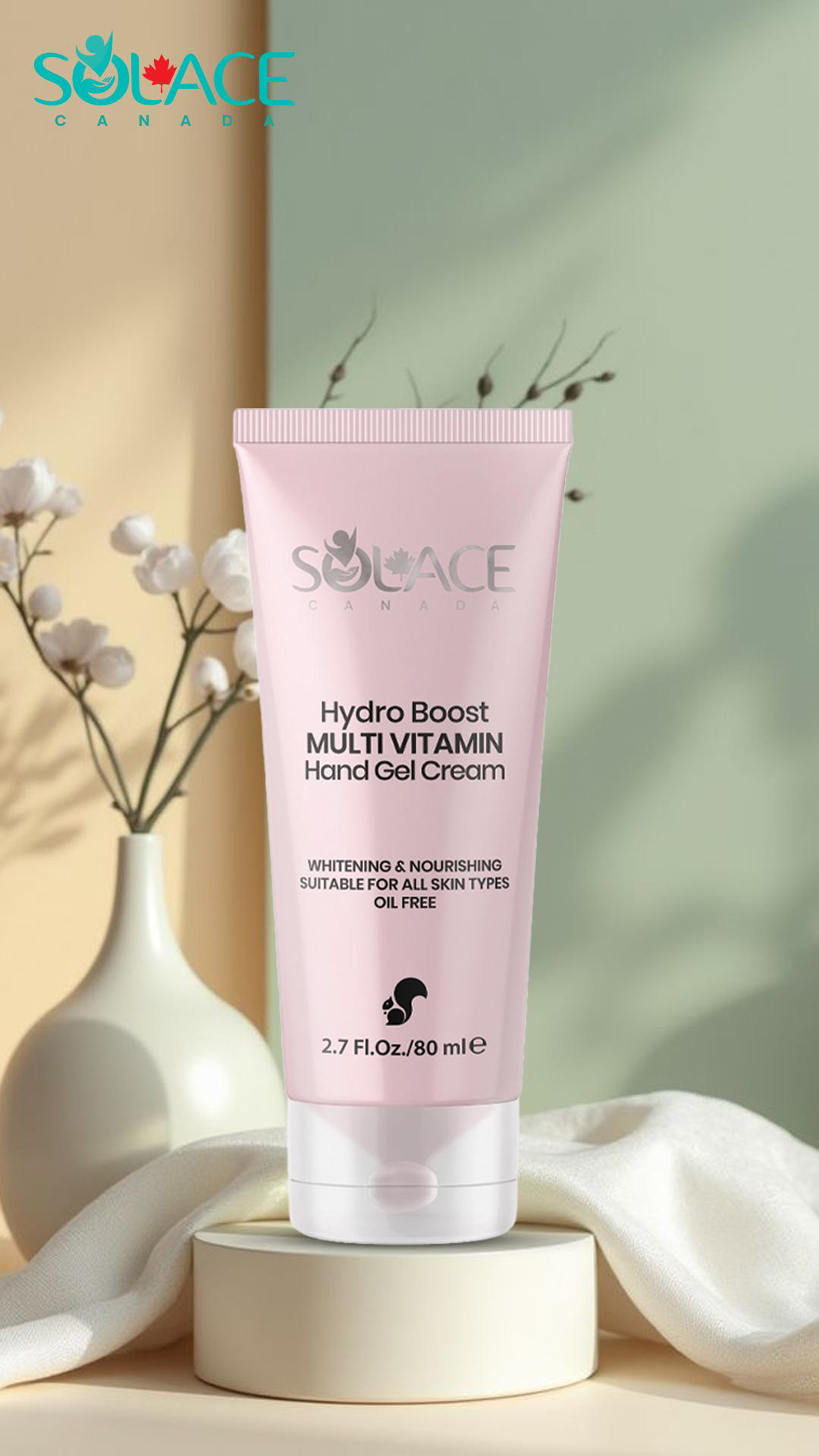
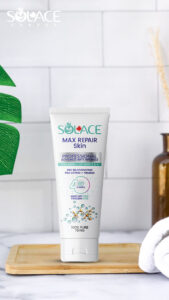
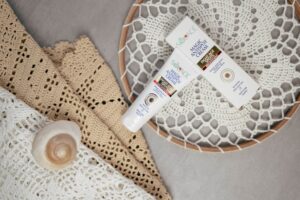
The Solace Hydrating and Softening Hand Gel-Cream was developed with these principles in mind. Rather than targeting short-term cosmetic softness, it aims to support barrier repair, hydration stability, and gradual improvement in skin tone and texture, without compromising comfort.
Real-World Use Case: High-Frequency Handwashing in Professional Settings
Consider the daily routine of a professional hairstylist, healthcare worker, or laboratory technician. Hands are washed repeatedly between tasks, often exposed to chemicals, gloves, and disinfectants. In such settings, traditional creams often fail because they:
- Remain on the skin surface
- Interfere with grip and dexterity
- Feel uncomfortable under gloves
When a lightweight, water-based gel-cream is introduced, expectations are typically modest. Immediate transformation is not anticipated. Yet users frequently notice differences early on:
- No sensation of heat or sweating
- Easy reapplication after each wash
- Rapid absorption with no residual film
The most significant change, however, is behavioral. When a product does not interfere with work, it is used consistently. Over time, consistency leads to:
- Reduced dryness
- Improved softness and flexibility
- Less noticeable dullness and uneven tone
This pattern is not limited to one profession. Anyone whose hands are washed frequently, teachers, caregivers, service staff, and office workers, can experience similar benefits when formulation aligns with real-life demands.
Ingredient Synergy: Why Each Component Matters
In the Solace Hydrating and Softening Hand Gel-Cream, ingredients are selected not in isolation, but as part of a functional system designed to address hydration, barrier repair, tone irregularity, and environmental stress.
1- Hyaluronic Acid
Hyaluronic acid serves as the backbone of the formulation, delivering deep hydration without surface heaviness. Unlike occlusive oils, it binds water within the skin, supporting elasticity and comfort without blocking natural perspiration.
Key benefits include:
- No occlusive residue
- Multi-level hydration
- Improved skin flexibility
2- Niacinamide (Vitamin B3)
Niacinamide plays a critical role in barrier repair and tone normalization. In hands subjected to frequent washing, the skin barrier is often compromised. Niacinamide helps restore barrier integrity while gradually improving uneven pigmentation.
Its functions include:
- Reducing dullness
- Strengthening the skin barrier
- Supporting more uniform skin tone with continued use
3- Retinyl Palmitate (A Gentle Vitamin A Derivative)
Rather than using aggressive retinoids that may irritate hand skin, Solace employs retinyl palmitate, a milder, well-tolerated form of vitamin A. This ingredient supports natural cell turnover without triggering peeling or inflammation.
Benefits include:
- Gentle stimulation of renewal
- Improved skin texture over time
- Support for early signs of aging
4- Dexpanthenol (Vitamin B5)
Dexpanthenol is widely recognized for its soothing and reparative properties. In this formulation, it helps calm subclinical inflammation and enhances the skin’s ability to tolerate active ingredients.
Its effects include:
- Reduction of irritation
- Support for barrier recovery
- Improved tolerance in sensitive skin
5- Tocopherol (Vitamin E)
Hands are exposed daily to ultraviolet radiation and environmental pollutants. Vitamin E acts as an antioxidant shield, helping neutralize free radicals and reduce cumulative oxidative damage.
6- Glycerin
Glycerin complements hyaluronic acid by helping retain moisture within the skin over longer periods, without creating a greasy or slippery surface.
Why Many Hand Creams Fail for Sweaty or Discolored Hands
Most commercial hand creams are designed for uncomplicated dryness. When sweating, discoloration, or frequent washing are present, these products may be insufficient or counterproductive.
Common shortcomings include:
- Oil-heavy bases that increase sweating
- Lack of active ingredients targeting pigmentation
- Short-lived cosmetic softness without functional improvement
In contrast, the Solace gel-cream differentiates itself through:
- High tolerability for repeated daily use
- A breathable, water-based formulation
- Inclusion of tone-supporting and renewal-focused actives
Integrating the Gel-Cream into Daily and Nighttime Routines
Daytime Use
- Apply after each hand wash to slightly damp skin
- No waiting time required before daily tasks
- Compatible with professional and office environments
Nighttime Use
- Apply a thin layer before sleep
- Supports overnight barrier repair
- Enhances gradual improvement in texture and tone
Layering Considerations
- Can be combined with lightweight hand serums
- Daytime use alongside hand sunscreen is recommended to prevent recurrence of discoloration
Choosing a Hand Cream: Clinical Questions Worth Asking
Before selecting a hand cream, consider the following:
- Is dryness accompanied by dullness or uneven tone?
- Does your skin feel overheated or sweaty after application?
- Will you realistically use the product multiple times per day?
If the answer to these questions highlights discomfort or inconsistency, a lightweight, breathable gel-cream is likely a more rational choice than traditional heavy formulations.
Final Thoughts
If you recognize either of these experiences, persistent discomfort after applying hand creams, or gradual darkening and dullness of the hands, the solution lies not in stronger products, but in smarter formulation.
The Solace Hydrating and Softening Hand Gel-Cream is not designed to promise instant transformation. It is designed for consistent, real-world use. By supporting hydration without occlusion, improving barrier function, and gradually addressing tone and texture, it aligns clinical reasoning with everyday practicality.
When formulation is guided by science and compatibility rather than heaviness and short-term sensation, product choice becomes a logical extension of informed skin care.
References
10 Benefits of Hyaluronic Acid
Benefits of Niacinamide (Vitamin B3)
Skincare Ingredient: Retinyl Palmitate
Use of Dexpanthenol for Atopic Dermatitis
Efficacy and mechanism of retinyl palmitate against UVB-induced skin photoaging


No comment yet, add your voice below!