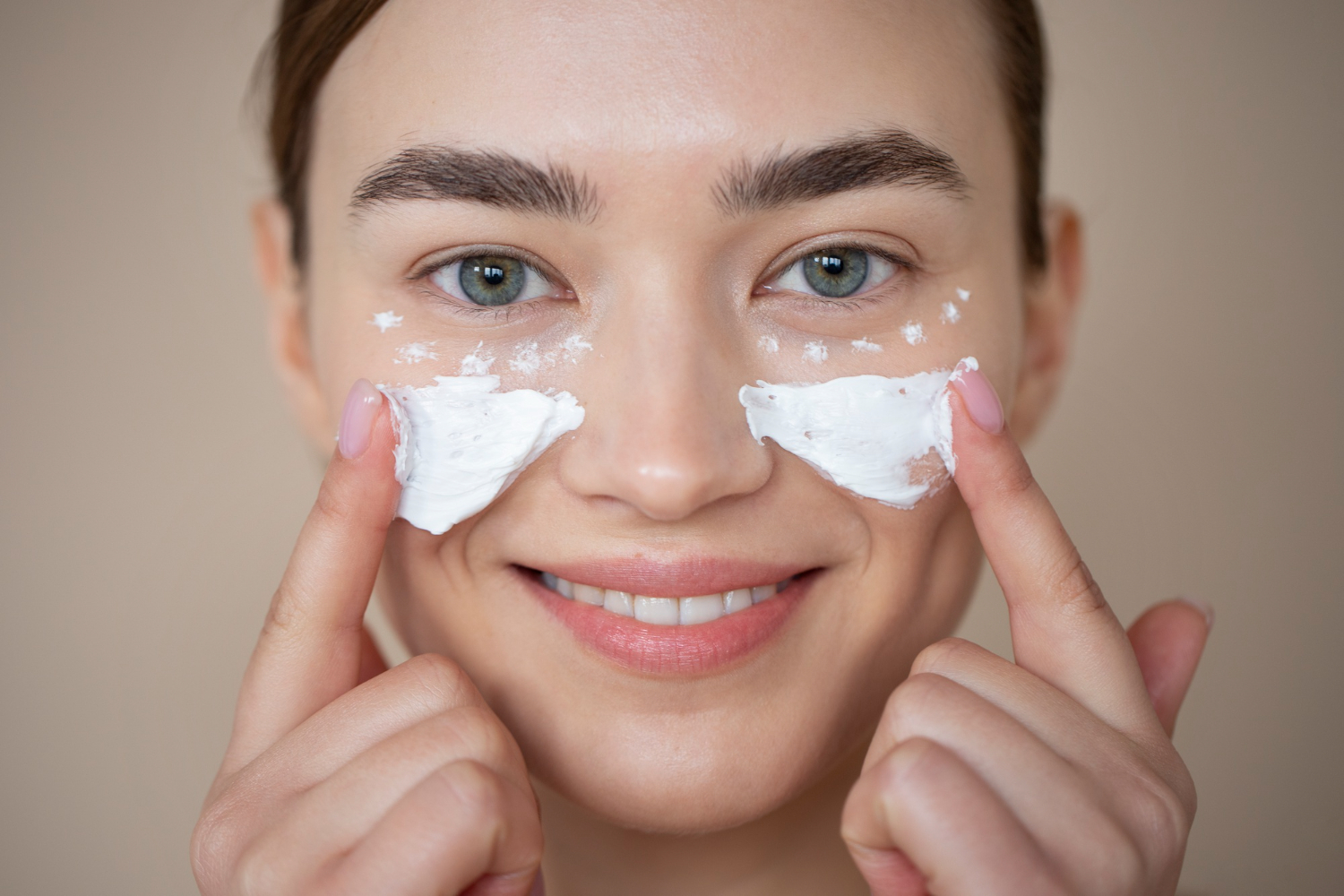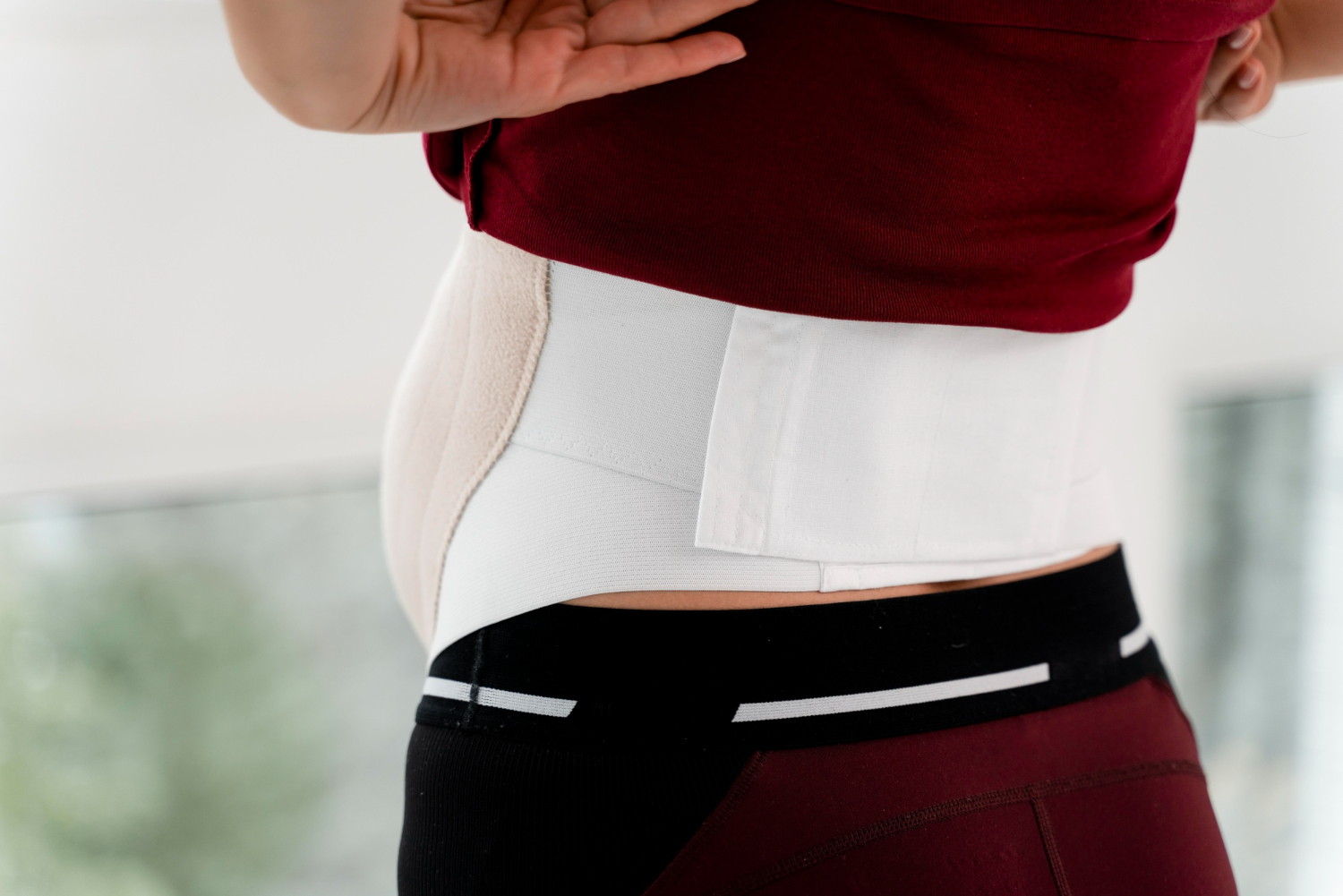

Lightweight Hand Gel Cream: The Ultimate Solution for Daily Hydration and Comfortable Hands

Lightweight hand gel cream

Why Lightweight Gel-Creams Matter for Daily Skin Health in Modern Climates

If you have ever applied a hand cream only to feel that your skin becomes heavy, overheated, or unpleasantly moist within minutes, you are not alone. Many individuals report that after using conventional hand creams, their hands feel as though they cannot “breathe.” A sticky residue remains, perspiration increases, and simple tasks, using a phone, handling paper, or working with tools, become uncomfortable.

People who wash their hands frequently, live in dry or highly variable climates, or have sensitive skin often experience this reaction. Healthcare professionals, educators, service workers, hairstylists, and office employees encounter this issue daily. The problem, however, is not the use of hand cream itself. The real issue lies in choosing a formulation that is incompatible with the skin’s physiology and the surrounding climate.

Over time, individuals who experience this discomfort also begin to notice additional changes:

  • Uneven tone and mild hyperpigmentation develop
  • The skin on the hands appears darker than the face
  • Heavy creams seem to worsen, rather than improve, skin quality

In such cases, the solution is not to abandon hand care, but to adopt a more scientifically aligned approach, one that respects skin barrier function, environmental exposure, and real-life usage patterns.

Climate, Skin Physiology, and the Modern Hand Care Challenge

Hands are uniquely vulnerable. Unlike facial skin, they are exposed continuously to water, detergents, disinfectants, ultraviolet radiation, temperature fluctuations, and friction. In regions with cold winters, dry indoor heating, and frequent handwashing place additional stress on the skin barrier. Conversely, warmer seasons and indoor environments can increase sweating, making heavy formulations intolerable.

When a product delivers hydration that excessively occludes the skin, it often produces counterproductive effects:

  • Impaired heat and moisture exchange
  • Discomfort that leads to inconsistent use
  • Increased sweating under the product layer

Effective hand care must therefore balance hydration, breathability, and tolerability.

The Role of Texture and Sensory Experience in Consistent Use

A hand cream is not a treatment applied once daily in isolation. It is a product intended for repeated use throughout the day. If the texture feels heavy or greasy, adherence drops sharply. If the scent is strong or artificial, sensory discomfort may outweigh perceived benefits.

Clinical outcomes depend not only on ingredients, but also on whether a product integrates seamlessly into daily life. Lightweight texture, rapid absorption, and minimal fragrance are not cosmetic luxuries; they are functional requirements for long-term skin health.

Understanding the Difference: Traditional Creams vs. Modern Gel-Creams

Many traditional hand creams rely on oil-heavy formulations designed to create an occlusive barrier. While this approach can temporarily reduce transepidermal water loss, it may also:

  • Trap heat and sweat
  • Create a sticky or slippery surface
  • Interfere with normal skin respiration

In contrast, water-based gel-creams are formulated to deliver hydration without excessive occlusion. When properly designed, they:

  • Absorb quickly
  • Support frequent reapplication
  • Allow normal moisture exchange

However, being a gel-cream alone is not sufficient. Ingredient quality, concentration, and synergy determine whether a formulation truly supports skin recovery and tone improvement.

Solace: A Science-Guided Approach to Everyday Skin Care

Solace is a Canadian brand focused on evidence-informed, skin-compatible formulations. Its product development philosophy emphasizes:

  • Dermatological compatibility
  • Safety for long-term, repeated use
  • Clinically recognized active ingredients

The Solace Hydrating and Softening Hand Gel-Cream was developed with these principles in mind. Rather than targeting short-term cosmetic softness, it aims to support barrier repair, hydration stability, and gradual improvement in skin tone and texture, without compromising comfort.

Real-World Use Case: High-Frequency Handwashing in Professional Settings

Consider the daily routine of a professional hairstylist, healthcare worker, or laboratory technician. Hands are washed repeatedly between tasks, often exposed to chemicals, gloves, and disinfectants. In such settings, traditional creams often fail because they:

  • Remain on the skin surface
  • Interfere with grip and dexterity
  • Feel uncomfortable under gloves

When a lightweight, water-based gel-cream is introduced, expectations are typically modest. Immediate transformation is not anticipated. Yet users frequently notice differences early on:

  • No sensation of heat or sweating
  • Easy reapplication after each wash
  • Rapid absorption with no residual film

The most significant change, however, is behavioral. When a product does not interfere with work, it is used consistently. Over time, consistency leads to:

  • Reduced dryness
  • Improved softness and flexibility
  • Less noticeable dullness and uneven tone

This pattern is not limited to one profession. Anyone whose hands are washed frequently, teachers, caregivers, service staff, and office workers, can experience similar benefits when formulation aligns with real-life demands.
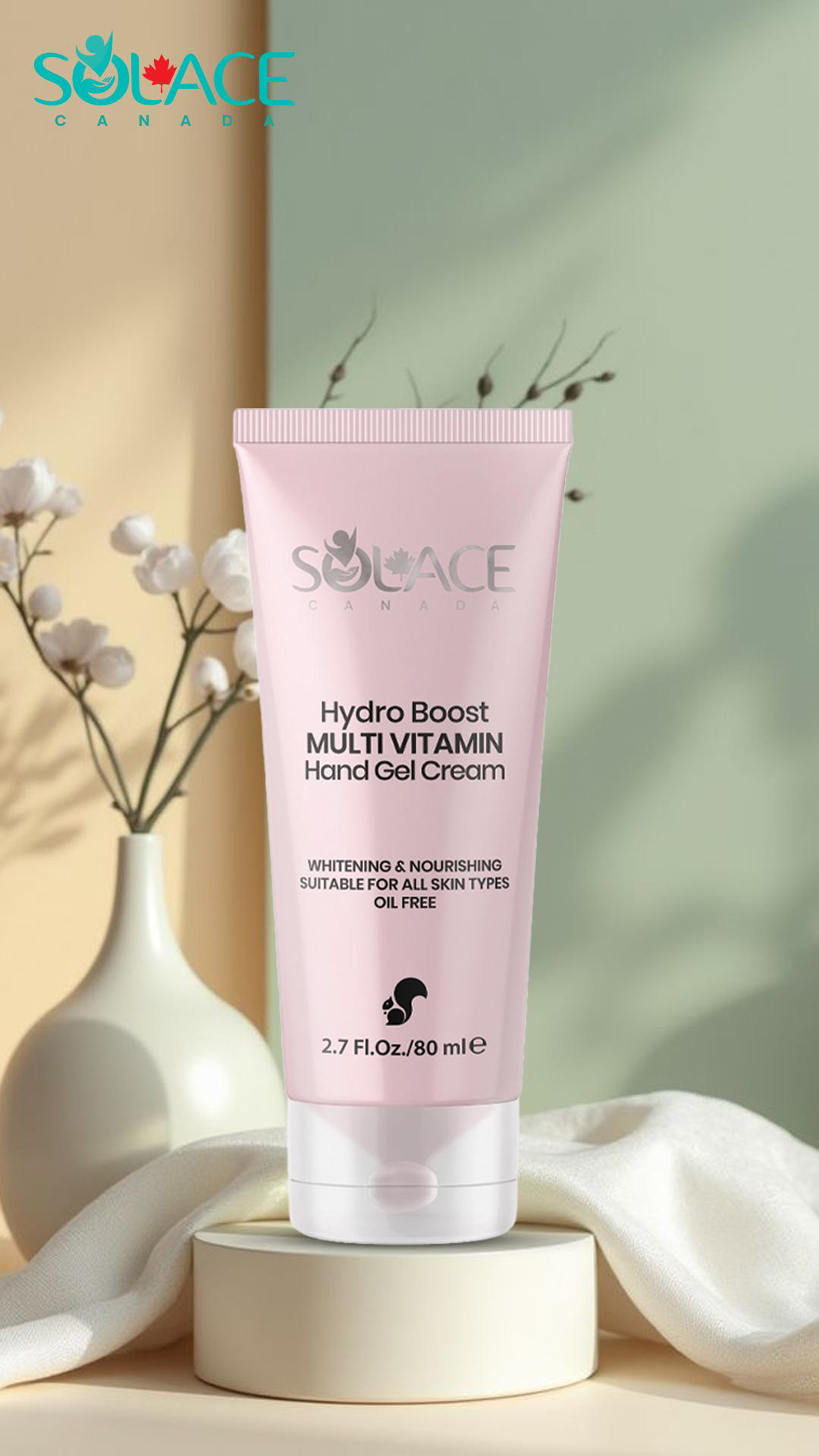
Ingredient Synergy: Why Each Component Matters

In the Solace Hydrating and Softening Hand Gel-Cream, ingredients are selected not in isolation, but as part of a functional system designed to address hydration, barrier repair, tone irregularity, and environmental stress.

1- Hyaluronic Acid

Hyaluronic acid serves as the backbone of the formulation, delivering deep hydration without surface heaviness. Unlike occlusive oils, it binds water within the skin, supporting elasticity and comfort without blocking natural perspiration.

Key benefits include:

  • No occlusive residue
  • Multi-level hydration
  • Improved skin flexibility

2- Niacinamide (Vitamin B3)

Niacinamide plays a critical role in barrier repair and tone normalization. In hands subjected to frequent washing, the skin barrier is often compromised. Niacinamide helps restore barrier integrity while gradually improving uneven pigmentation.

Its functions include:

  • Reducing dullness
  • Strengthening the skin barrier
  • Supporting more uniform skin tone with continued use

3- Retinyl Palmitate (A Gentle Vitamin A Derivative)

Rather than using aggressive retinoids that may irritate hand skin, Solace employs retinyl palmitate, a milder, well-tolerated form of vitamin A. This ingredient supports natural cell turnover without triggering peeling or inflammation.

Benefits include:

  • Gentle stimulation of renewal
  • Improved skin texture over time
  • Support for early signs of aging

4- Dexpanthenol (Vitamin B5)

Dexpanthenol is widely recognized for its soothing and reparative properties. In this formulation, it helps calm subclinical inflammation and enhances the skin’s ability to tolerate active ingredients.

Its effects include:

  • Reduction of irritation
  • Support for barrier recovery
  • Improved tolerance in sensitive skin

5- Tocopherol (Vitamin E)

Hands are exposed daily to ultraviolet radiation and environmental pollutants. Vitamin E acts as an antioxidant shield, helping neutralize free radicals and reduce cumulative oxidative damage.

6- Glycerin

Glycerin complements hyaluronic acid by helping retain moisture within the skin over longer periods, without creating a greasy or slippery surface.

Why Many Hand Creams Fail for Sweaty or Discolored Hands

Most commercial hand creams are designed for uncomplicated dryness. When sweating, discoloration, or frequent washing are present, these products may be insufficient or counterproductive.

Common shortcomings include:

  • Oil-heavy bases that increase sweating
  • Lack of active ingredients targeting pigmentation
  • Short-lived cosmetic softness without functional improvement

In contrast, the Solace gel-cream differentiates itself through:

  • High tolerability for repeated daily use
  • A breathable, water-based formulation
  • Inclusion of tone-supporting and renewal-focused actives

Integrating the Gel-Cream into Daily and Nighttime Routines

Daytime Use

  • Apply after each hand wash to slightly damp skin
  • No waiting time required before daily tasks
  • Compatible with professional and office environments

Nighttime Use

  • Apply a thin layer before sleep
  • Supports overnight barrier repair
  • Enhances gradual improvement in texture and tone

Layering Considerations

  • Can be combined with lightweight hand serums
  • Daytime use alongside hand sunscreen is recommended to prevent recurrence of discoloration

Choosing a Hand Cream: Clinical Questions Worth Asking

Before selecting a hand cream, consider the following:

  • Is dryness accompanied by dullness or uneven tone?
  • Does your skin feel overheated or sweaty after application?
  • Will you realistically use the product multiple times per day?

If the answer to these questions highlights discomfort or inconsistency, a lightweight, breathable gel-cream is likely a more rational choice than traditional heavy formulations.

Final Thoughts

If you recognize either of these experiences, persistent discomfort after applying hand creams, or gradual darkening and dullness of the hands, the solution lies not in stronger products, but in smarter formulation.

The Solace Hydrating and Softening Hand Gel-Cream is not designed to promise instant transformation. It is designed for consistent, real-world use. By supporting hydration without occlusion, improving barrier function, and gradually addressing tone and texture, it aligns clinical reasoning with everyday practicality.

When formulation is guided by science and compatibility rather than heaviness and short-term sensation, product choice becomes a logical extension of informed skin care.

References

Vitamin E: Uses and Benefits

10 Benefits of Hyaluronic Acid

 Benefits of Niacinamide (Vitamin B3)

Skincare Ingredient: Retinyl Palmitate

Use of Dexpanthenol for Atopic Dermatitis

Efficacy and mechanism of retinyl palmitate against UVB-induced skin photoaging

Solace Hydrating & Softening Body Gel-Cream: Prevent Body Acne After Showering

solace Hydrating & Softening Body Gel-Cream

Why Body Acne Often Starts Right After Showering: Rethinking Moisturizers for Acne-Prone Skin in Modern Climates

Many cases of body acne begin at an unexpected moment: right after a shower, at the exact point when skincare is meant to help.

The back and shoulders break out. The upper arms become rough and bumpy. Skin turns red, irritated, and uncomfortable, yet not severe enough to be classified as a medical skin disorder, and not mild enough to ignore.

At this stage, most people face two familiar choices:

  • Stop using body moisturizers altogether
  • Switch to heavier, richer creams in hopes of “treating” the problem

In practice, both options often lead to the same outcome: persistent or worsening breakouts.

This is precisely where the concept of a gel-cream body moisturizer becomes clinically relevant, not as a cosmetic trend, but as a rational adjustment to daily skin care. The goal is no longer to “coat” the skin, but to calm it, hydrate it without burden, and support its natural repair cycle.

Body Acne and Moisturizers: How the Wrong Choice Sustains Breakouts

Acne-prone body skin reacts first and foremost to sensory input, texture, absorption speed, and fragrance. These factors are often underestimated, yet they play a central role in inflammation and pore behavior.

When a body cream:

  • Absorbs slowly
  • Leaves an occlusive or greasy residue
  • Contains strong or synthetic fragrance

the skin frequently shifts into a defensive state. This manifests as increased sweating, impaired barrier function, clogged pores, and ultimately inflammatory breakouts.

Understanding the Differences

Heavy, nourishing creams

  • Appropriate for severely dry, non-acne-prone skin
  • Often aggravate acne when used on the back, shoulders, or chest

Lightweight lotions

  • Provide only superficial hydration
  • Offer little anti-inflammatory or barrier-supporting benefit

Well-formulated gel-creams (optimal choice)

  • Absorb rapidly
  • Avoid pore occlusion
  • Allow the skin to “breathe” while maintaining hydration

A Counterintuitive Truth: Dry Skin Worsens Body Acne

One of the most persistent misconceptions in body acne management is that drying the skin helps control breakouts. In reality, dehydration is one of acne’s strongest allies.

Dehydrated skin:

  • Becomes more reactive
  • Produces stronger inflammatory responses
  • Is more prone to small, scattered breakouts

The therapeutic target, therefore, is consistent hydration without heaviness, not the elimination of moisturizers altogether.

Patient Experience: “The First Body Cream That Didn’t Suffocate My Skin”

Among the feedback submitted on the product page for solace Hydrating & Softening Body Gel-Cream, one review captures the clinical expectation of acne-prone users particularly well:

“I have acne on my shoulders and back, and almost every body cream I tried either made my skin greasy or caused more breakouts. Then, I stopped moisturizing altogether for a while, but my skin felt tight and uncomfortable after showering. I tried this gel-cream after a workout, it absorbed quickly, didn’t sit on my skin, and didn’t feel sticky. The acne didn’t disappear overnight, but the redness went down, and most importantly, no new breakouts appeared. For me, not making things worse is already a major win.”

When distilled, this experience highlights the minimum clinical expectations of an effective body moisturizer for acne-prone skin:

  • Absorbs rapidly without residue
  • Does not intensify existing acne
  • Gradually reduces redness and irritation
  • Calms the skin after showering or exercise
  • Remains tolerable with daily, long-term use

If these criteria are not met, the product is typically abandoned, regardless of its marketing claims.

Ingredient Logic: Why This Formula Works for Acne-Prone Body Skin

The formulation of solace Hydrating & Softening Body Gel-Cream prioritizes skin tolerance under real-world conditions, including friction from clothing, perspiration, environmental pollution, and climate variability.

1- Hyaluronic Acid

  • Deep hydration without oiliness or pore blockage
  • Essential for restoring water balance in acne-prone skin

2- Niacinamide (Vitamin B3)

  • Reduces inflammation and redness
  • Improves uneven skin texture
  • One of the few actives consistently compatible with acne-prone skin

3- Dexpanthenol (Pro-Vitamin B5)

  • Calms irritation
  • Supports barrier repair
  • Particularly beneficial after shaving, workouts, or sweating

4- Alpha-Arbutin

  • Helps fade post-acne discoloration on the body
  • Provides brightening benefits without irritation

5- Retinyl Palmitate (Gentle Vitamin A Derivative)

  • Supports gradual skin renewal
  • Improves texture without the aggressiveness of stronger retinoids

6- Glycerin + Vitamin E

  • Maintains long-lasting hydration
  • Offers antioxidant protection against environmental stressors

The solace Formulation Philosophy: Where the Difference Lies

Many body care products perform well on paper but fail in daily use, not because they are ineffective, but because they are not designed for real skin behavior.

The solace body gel-cream was developed according to strict Canadian formulation standards, where tolerability, safety, and long-term use precede sensory appeal. Beyond regulatory compliance, the formula was optimized for modern lifestyle stressors:

  • Urban pollution
  • Seasonal dryness
  • Frequent showering
  • Regular physical activity
  • Indoor heating and air conditioning

Importantly, this is not a product meant for occasional use. It is designed to be used daily without triggering compensatory skin reactions. No comedogenic ingredients, no unnecessary irritants, and no reliance on short-term sensory effects that compromise long-term skin balance.

Why Some Body Creams Make Acne Worse

Not all moisturizers fail for the same reason. The difference often lies in how the product behaves after application, throughout the day.

Skin Feel and Residue

Many creams leave behind a film that becomes problematic under clothing and heat.

With solace:

  • Leaves no greasy or sticky layer
  • The gel-cream absorbs quickly
  • Does not trap heat or sweat

Reaction in Warm or Humid Conditions

Some products exacerbate shine and breakouts during perspiration.

solace was formulated to:

  • Avoid excess oil production
  • Maintain balance during sweating
  • Remain tolerable in warm or fluctuating climates

Hydration Without Overload

Products often fail by being either too light or too heavy.

solace achieves:

  • Sustained hydration
  • No sensory overload
  • Consistent comfort with repeated use

How to Integrate a Gel-Cream Into a Daily Routine

Effective routines are simple and sustainable.

Evening Routine (Recommended)

  • Apply a thin layer after showering while skin is slightly damp
  • Focus on acne-prone areas: back, shoulders, arms, chest
  • Allow full absorption before dressing

Morning Routine (For Active Lifestyles)

  • Use a smaller amount
  • Apply thinly on friction-prone areas
  • If exposed to sunlight, apply body sunscreen after full absorption

Layering Guidance

  • Acne treatments first
  • Gel-cream second
  • Sunscreen always last

Minimal layering is key for body skin.

Final Thoughts

Effective body skincare is not about aggressive treatment, it is about consistency without compromise. The ideal product is one you can use after every shower without hesitation, without discomfort, and without worrying about what will happen to your skin later in the day.

solace Hydrating & Softening Body Gel-Cream was designed with that exact philosophy: a tolerable, climate-adaptive, dermatologist-reviewed formulation suitable for daily use across diverse environmental conditions.

References

Topical Vitamin E in Modern Skin Therapy

Use of Dexpanthenol for Atopic Dermatitis

Hyaluronic Acid and Skin: Its Role in Aging and Wound-Healing Processes

Exploring Niacinamide as a Multifunctional Agent for Skin Health and Rejuvenation

Arbutin as a Skin Depigmenting Agent with Antimelanogenic and Antioxidant Properties

Casting New Light on the Retinol and Retinyl Palmitate Functions as Chemical Enhancers for Transdermal/Topical Drug Delivery

Cold or warm water for mixing whey protein? A Clinical and Practical Guide for Optimal Nutrition

Cold or warm water for mixing whey protein

In everyday life, people often disagree over seemingly trivial preferences. Consider, for instance, debates about whether tea should be piping hot or served over ice, or whether coffee tastes better black or with milk. Yet, when a similar debate occurs regarding nutritional supplements particularly whey protein, the discussion takes on greater significance. One of the most frequently asked questions among physically active individuals, patients following protein-enriched diets, and even healthcare professionals is deceptively simple:

Should whey protein be consumed with cold water or warm water?

Interestingly, this question is not limited to beginners. In fact, it is most commonly raised by individuals who already consume protein regularly and are seeking to optimize outcomes, better digestion, improved solubility, superior taste, and maximal preservation of nutritional value. These are individuals who no longer view protein intake as a box to be checked, but as a variable that can be refined.

What Is Whey Protein and Why Is It So Widely Used?

Whey protein is widely regarded as the gold standard among protein supplements. Derived from milk during the cheese-making process, whey is the liquid fraction that remains after milk curdles and is strained. Once processed and dried, it becomes the familiar powdered supplement used across clinical nutrition, sports medicine, and general wellness.

Key Reasons for Whey Protein’s Popularity

1- Rapid Absorption

The body digests and absorbs whey protein faster than most other protein sources, such as casein or soy. This rapid bioavailability makes it particularly valuable after physical activity, illness, or periods of fasting.

2- High Biological Value

Whey protein contains all essential amino acids, with a particularly high concentration of leucine—the amino acid most directly involved in muscle protein synthesis.

3- Versatility of Use

Whey protein can be consumed as a shake, incorporated into foods such as oatmeal and pancakes, or blended into smoothies and hot beverages.

4- Broad Clinical Applications

Athletes and non-athletes alike use whey protein for diverse purposes:

  • Individuals managing weight loss
  • Older adults to prevent sarcopenia
  • Patients recovering from surgery or illness
  • People with increased protein requirements due to metabolic or lifestyle factors

Because of this versatility, whey protein is a staple not only in gyms but also in clinical and home nutrition settings.

Cold Water vs. Warm Water: Why Temperature Matters

At first glance, the temperature of water used to mix whey protein may appear irrelevant. However, temperature influences solubility, texture, palatability, digestive comfort, and user compliance, all of which matter in real-world nutrition.

1- The Role of Temperature in Protein Solubility

Cold Water

  • Cold water dissolves whey protein, but more slowly.
  • If not shaken vigorously, it may clump.
  • Many users prefer a shaker bottle or blender to ensure smooth texture.

Warm or Lukewarm Water

  • Warm water helps disperse protein particles evenly.
  • As a result, it produces a smoother consistency.
  • Consequently, clumping is reduced when prepared correctly.

From a purely mechanical standpoint, warm water facilitates easier mixing. However, ease of mixing is only one aspect of the equation.

2- Does Heat Damage Whey Protein?

This is the most common concern among users:
Does warm or hot water destroy whey protein?

Proteins are complex molecules with folded three-dimensional structures. Heat can unfold these structures in a process called denaturation. Importantly, denaturation does not destroy amino acids. The body digests the denatured protein efficiently, which allows it to remain nutritionally valuable.

This is why cooked eggs, pasteurized milk, and cooked meat remain excellent protein sources.

3- Temperature Thresholds That Matter

  • Below 100°C (212°F)
    Structural denaturation may occur, but nutritional value is preserved.
  • Boiling or prolonged high heat
    Texture, taste, and solubility may degrade, but amino acid content remains largely intact.

In practical terms, adding whey protein to warm or hot (but not boiling) water does not negate its benefits.

4- Seasonal and Climatic Considerations

Dietary habits are strongly influenced by climate. Unlike regions with stable temperatures year-round, some regions experience significant seasonal variation, which affects hydration preferences, digestion, and compliance.

Warm beverages are often better tolerated and more appealing, particularly in the morning or evening.

Consuming whey protein with warm water or warm milk alternatives can:

  • Increase compliance
  • Provide a comforting, satiety-enhancing experience
  • Reduce gastrointestinal discomfort in cold conditions

And during warmer months:

  • Iced whey smoothies are often preferred
  • Cold water-based whey shakes provide refreshment
  • Cold preparation may feel more hydrating post-exercise

From a nutritional standpoint, both approaches are valid, and seasonal adaptation is reasonable and often beneficial.

5- Impact on Specific Health and Fitness Goals

Weight Management

For individuals aiming to reduce caloric intake:

  • Mixing whey protein with water (cold or warm) avoids added calories
  • Warm preparations may enhance satiety in some individuals

Muscle Gain and Recovery

For individuals seeking muscle hypertrophy:

  • Mixing whey with milk or fortified plant-based beverages increases caloric and protein density
  • Temperature choice does not significantly affect muscle protein synthesis

Digestive Sensitivity

Some individuals experience bloating or discomfort:

  • This is more often related to lactose content than water temperature
  • Whey isolate or hydrolyzed whey may be better tolerated
  • Lukewarm preparation may reduce gastric stress in sensitive individuals

Practical Preparation Guidelines for Warm Whey Protein

To avoid clumping and preserve texture:

  • First, mix whey protein with a small amount of room-temperature water.
  • Next, stir until smooth.
  • Then, gradually add warm (not boiling) water or milk.
  • Finally, continue stirring until fully blended.

Recommended temperature range: 40–60°C (104–140°F)

Avoid adding powder directly to boiling liquid.

Types of Whey Protein and Heat Compatibility

Concentrate Whey

  • Contains lactose and fat
  • May clump more easily
  • Suitable for most users

Isolate Whey

  • Higher protein purity
  • Lower lactose content
  • Better solubility, including in warm liquids

Hydrolysate Whey

  • Pre-digested peptides
  • Excellent solubility at any temperature
  • Often recommended in clinical settings

For warm beverages, isolate or hydrolysate is generally preferable.

Creative and Practical Consumption Ideas

1- Cold Preparations

  • Whey + cold water + ice + berries
  • Whey smoothie with banana and plant milk

2- Warm Preparations

  • Vanilla whey + warm almond milk + cinnamon
  • Whey blended into oatmeal
  • Protein latte with coffee and warm milk

These approaches support long-term adherence, which is often more important than minor nutritional differences.

Frequently Asked Clinical Questions

Does boiling water destroy whey protein?
No. It may alter texture and taste, but amino acids remain intact.

Is whey with water better than whey with milk for fat loss?
Water minimizes caloric intake; milk increases satiety and nutrient density.

Can warm whey cause digestive problems?
Rarely. Issues are usually related to lactose sensitivity.

Do spices like cocoa or cinnamon reduce protein quality?
No. They may add antioxidant benefits and improve palatability.

Final Thoughts

There is no universally “correct” answer to whether whey protein should be consumed with cold or warm water. From a medical and nutritional standpoint, both methods are valid, and the optimal choice depends on individual goals, digestive tolerance, seasonal climate, and personal preference.

What matters most is consistent, appropriate protein intake tailored to the individual. Temperature is a secondary variable, not a determining factor in effectiveness.

At Jam Medical, nutritional strategies are designed with this individualized philosophy in mind. By integrating clinical expertise, evidence-based guidance, and practical lifestyle considerations, Jam supports sustainable health outcomes, whether the goal is weight management, muscle preservation, or overall metabolic health.

References

Can You Mix Whey Protein with Hot Water?

Heat-induced denaturation and bioactivity changes of whey proteins

Effects of Heat Processing on the Functionality of Whey Protein Concentrates

Solace Hydrating & Softening Body Gel-Cream: Deep Hydration, Radiance, and Rejuvenation for Your Skin

Solace Hydrating & Softening Body Gel-Cream

The day Solace Hydrating & Softening Body Gel-Cream arrived was the very day my skin had officially given up on me. Moreover, Between dry winter air, harsh sun, and the relentless monotony of routine skincare, and as a result my elbows were looking pale and flaky; those moments you just wish you could hide under your sleeve.

That morning, I opened the freshly delivered package; consequently, it felt like a new chapter in my skin’s story was beginning. In addition, The first touch revealed its lightweight texture, subtle scent, and cooling sensation, instant clues as to why this product quickly became a staple in the Solace lineup.

After hearing rave feedback from someone who had tried it, I knew I had to write this article. Solace Hydrating & Softening Body Gel-Cream isn’t just another moisturizer; it’s the kind of product you need to experience once to truly understand what real hydration feels like. This isn’t a marketing spiel; it’s a journey into its ingredients, efficacy, and the genuine story of modern body care. Buckle up; this is where it all begins.

What Is Solace Hydrating & Softening Body Gel-Cream?

Indeed, Solace Hydrating & Softening Body Gel-Cream is more than a moisturizer; it’s a sophisticated, high-performance formula that starts working on your skin the moment you apply it. Designed as a gel-cream hybrid, it’s balanced perfectly: light enough to feel effortless, yet rich enough to deliver noticeable results.

Furthermore, When it comes to fast-absorbing, non-greasy hydration, this product is one of the most effective on the market. It’s suitable for all skin types from dry, rough patches to sensitive, reactive skin. For anyone who wants serious skincare without spending hours, it’s an ideal choice.

What sets it apart is a smart blend of hyaluronic acid, a multi-vitamin complex, and skin-rejuvenating actives. Solace Hydrating & Softening Body Gel-Cream hydrates, softens, and brightens simultaneously while strengthening the skin’s natural barrier. The result? Skin that feels revitalized, touchably smooth, and naturally radiant.

Key Benefits of Solace Hydrating & Softening Body Gel-Cream

This isn’t just a moisturizer; it’s a multi-tasking treatment designed to meet all your skin’s needs:

  • Immediate and Long-Lasting Hydration

Immediately, from the first application, your skin feels refreshed and cooled, like a sip of water for your body. Hyaluronic acid acts as a natural moisture magnet, locking in hydration.

  • Smooths Rough, Uneven Skin

Similarly, if dryness, shaving, or environmental factors have left your skin rough, the gel-cream’s gentle, nourishing formula quickly evens out the texture.

  • Restores Natural Radiance

Additionally, a multi-vitamin complex helps your skin regain its natural tone and vitality. Say goodbye to dullness and hello to a healthy, luminous glow.

  • Strengthens the Skin Barrier

Environmental stressors can leave your skin vulnerable. Packed with vitamins, including B5, this gel-cream fortifies the skin’s defenses against dryness, irritation, and inflammation.

  • Suitable for All Skin Types

From dry to oily, sensitive to normal, it’s designed to be universally compatible. Its lightweight, non-greasy formula makes it perfect for anyone who dislikes heavy creams.

Key Ingredients and Their Benefits in Solace Hydrating & Softening Body Gel-Cream

The effectiveness of any skincare product starts with its ingredients. Solace Hydrating & Softening Body Gel-Cream is built on a foundation of science and clinical results, carefully formulated to deliver the best performance for your skin.

1- Hyaluronic Acid

First, a true hydration powerhouse. Its ability to lock in moisture instantly plumps and softens the skin. In this gel-cream, hyaluronic acid helps reduce fine lines and improves elasticity for a visibly smoother, more youthful appearance.

2- Alpha-Arbutin

Next, a globally recognized brightening ingredient. Alpha-arbutin helps fade dark spots, sun-induced pigmentation, and uneven skin tone, revealing a more luminous complexion.

3- Dexpanthenol (Vitamin B5)

A dermatologist-favorite repair agent. Moreover, B5 calms inflammation, supports skin recovery, and strengthens the skin barrier, making it ideal for sensitive or stressed skin.

4- Retinyl Palmitate (Vitamin A)

A gentle, stable form of Vitamin A. Additionally, it encourages collagen production and improves skin texture, helping reduce the appearance of fine lines for a smoother, younger-looking body skin.

5- Niacinamide (Vitamin B3)

A true skincare star. Furthermore, Niacinamide reduces redness, minimizes the appearance of pores, evens skin texture, and gradually improves overall skin clarity. Daily use helps skin appear brighter and healthier.

6- Vitamin E

Also, a powerful antioxidant that protects against free radicals. In this gel-cream, it offers both anti-aging and protective benefits, keeping skin resilient against environmental stressors.

7- Glycerin

Finally, a classic yet highly effective hydrator. Combined with hyaluronic acid, glycerin helps retain moisture deep within the skin, ensuring long-lasting hydration.

Common Skin Concerns Targeted by Solace Hydrating & Softening Body Gel-Cream

This multi-functional gel-cream addresses several common skin issues simultaneously, making it suitable for a wide range of needs:

  • Dryness and Dehydration

Quickly penetrates and hydrates deeply, alleviating dry patches from the very first use.

  • Dullness and Tired-Looking Skin

Hyaluronic acid and the multi-vitamin complex restore natural radiance and vitality.

  • Roughness, Uneven Texture, and Inflammation

Soothes and smooths rough skin caused by shaving, cold weather, or other stressors perfect for skin prone to redness post-shower or post-shave.

  • Hyperpigmentation and Dark Spots

Alpha-arbutin and niacinamide brighten and even out tone, helping reduce the appearance of sun-damaged or darkened areas.

  • Environmental Damage

Pollution, heat, cold, and sun exposure can weaken skin. This gel-cream strengthens the protective barrier, keeping skin healthy and resilient.

  • Enlarged Pores and Body Acne

Niacinamide helps refine pores and balance skin texture, making it suitable for areas prone to breakouts, like shoulders or back.

Real User Experiences with Solace Hydrating & Softening Body Gel-Cream

Nothing illustrates a product’s power like real-world experiences. Here are five testimonials from people who added this gel-cream to their routines:

Nora, 34, Dry & Sensitive Skin

Nora had always avoided body creams; they either caused itching or didn’t absorb properly. After a week of daily use, she noticed her skin stayed comfortable all day, especially on her legs. She no longer needed to layer multiple products to see results.

Ryan, 28, Athlete

With heavy workouts, frequent sweating, and regular shaving, Ryan’s arms and shoulders often became inflamed. He says this gel-cream was the only product that absorbed quickly, felt lightweight, and reduced post-exercise redness. He describes it as giving his skin room to breathe.

Elaine, 41, Busy Professional

Elaine struggled with dull, tired-looking skin. With consistent use, she noticed her arms and décolleté looked brighter and more energized, even on mornings when she woke up late. It’s now her bedside skincare essential.

Maya, 25, Combination & Sensitive Skin

Maya loves lightweight textures and hates greasy creams. She describes this gel-cream as “true love for the skin”: non-greasy, soothing, and acne-friendly. It feels like a soft cloud on her body.

Aidan, 38, Sun-Damaged Skin After Travel

After a sunny trip, Aidan’s skin was extremely dry and rough. Just a few days of consistent use restored softness and reduced the appearance of sun-darkened areas. He says his skin finally felt touchably smooth again.

How to Get the Most from Solace Hydrating & Softening Body Gel-Cream

To achieve the best results, a few simple tips can make all the difference:

  • When to Apply

The optimal time is right after a shower, when your skin is slightly damp and most receptive to hydration. Of course, it can also be used morning and night. Solace Hydrating & Softening Body Gel-Cream is designed for daily, long-term use.

  • How Much to Use

A thin, even layer is all you need. Its gel-cream texture spreads effortlessly, so there’s no need to overapply.

  • Best Areas to Target

This cream works wonders on legs, thighs, arms, abdomen, décolleté, and hands. Areas like elbows and knees usually show visible improvement after just a week of consistent use.

  • For Sensitive Skin

It’s suitable for sensitive skin. If your skin is particularly reactive, start with once daily. Once your skin adjusts, you can increase usage.

  • For Dark Spots and Uneven Tone

Gently massage areas with hyperpigmentation to help the brightening ingredients absorb more effectively.

Why Solace Body Gel-Cream Stands Out

In today’s crowded skincare market, what truly sets this gel-cream apart?

  • Scientific, Modern Formulation

More than a moisturizer, its combination of hyaluronic acid, alpha-arbutin, retinyl palmitate, and niacinamide is rarely seen together in body care. It’s a complete solution for hydration, brightening, repair, and anti-aging.

  • Ultra-Lightweight Texture

Those who dislike greasy products fall in love instantly. It absorbs so quickly it feels like your skin drinks it up.

  • Suitable for Challenging Climates

Pollution, heat, dryness, and cold winds can all stress the skin. This formula is designed to perform under such conditions, not too heavy, not ineffective.

  • Safe for All Skin Types

Paraben-free, sulfate-free, and dermatologist-tested, meeting the standards you expect.

  • Multi-Functional Benefits

From hydration to brightening, repair to soothing inflammation, protection to gentle anti-aging; this gel-cream simplifies your body care routine without compromising results.

Final Thoughts

If body skincare hasn’t been a priority until now, it’s time to start a new relationship with your skin. Solace Hydrating & Softening Body Gel-Cream doesn’t just leave skin soft, radiant, and fresh; it delivers a real, tangible sense of confidence and well-being.

This product is designed for anyone who wants their body care to be as considered and effective as their facial routine. With its lightweight, scientific, and precise formula, it quickly becomes the go-to product you never want to skip, especially after a shower.

Writing this article marks the end of my journey, but for your skin, the transformation is just beginning. If you’re ready for real change, this gel-cream is the perfect place to start.

References

Vitamin E in dermatology – PMC

Niacinamide: Skin Benefits, Risks, and More

Topical use of dexpanthenol in skin disorders

What Does Glycerin Do for Your Skin? – Glycerin Benefits

Hyaluronic Acid: What It Is, Benefits, How To Use & Side Effects

Efficacy and mechanism of retinyl palmitate against UVB-induced skin photoaging
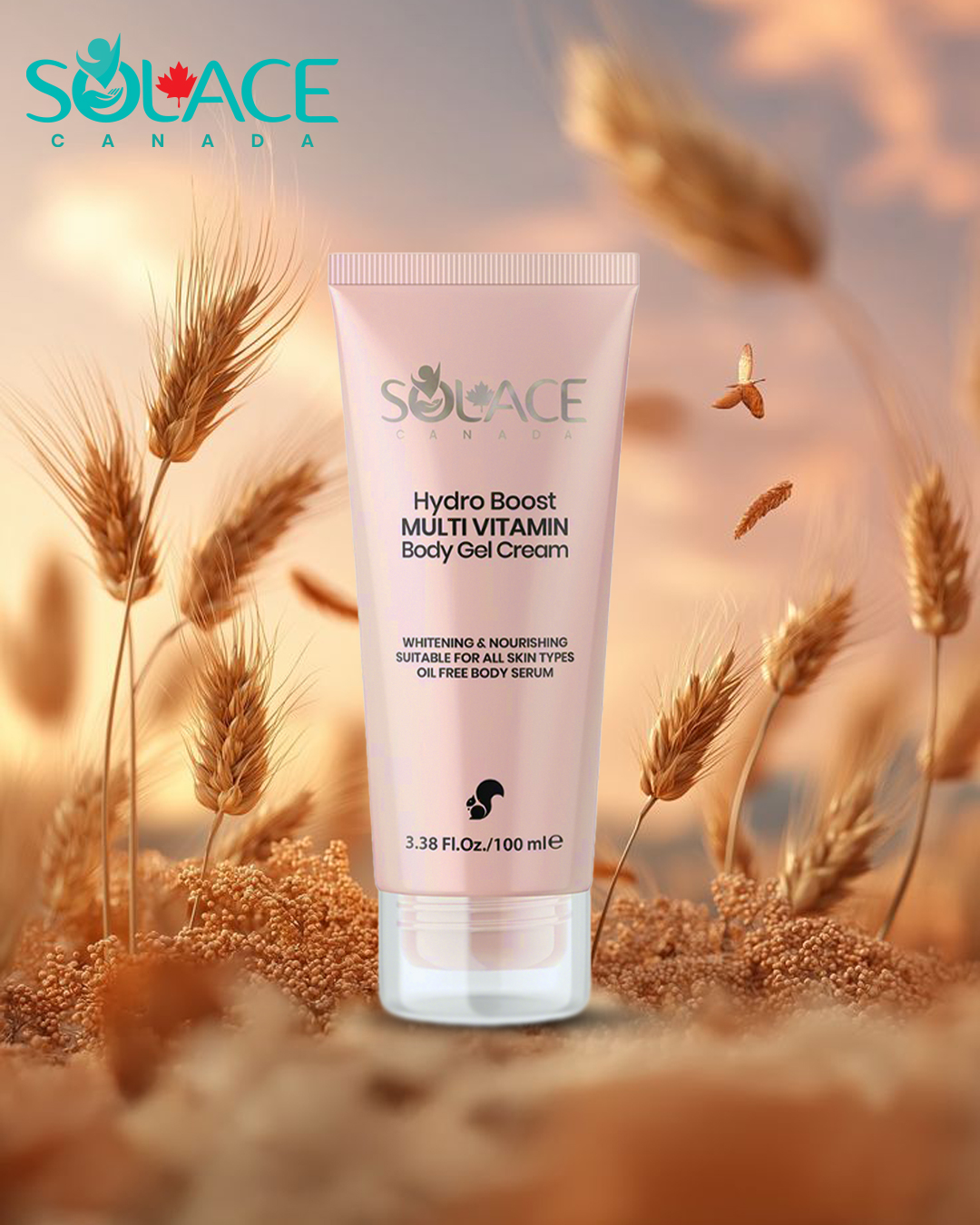
The Best Time to Take Whey Protein for Fat Loss: Science, Strategy, and Real-World Application

Best time to take whey protein for fat loss

In the world of fitness and weight management, one question has persisted for years, simple on the surface, yet complex in practice: Does timing matter more than the nutrient itself?
When it comes to whey protein, modern sports nutrition suggests that the answer is not binary. It is not what you consume alone, nor when you consume it in isolation but the interaction between timing, physiology, lifestyle, and metabolic demand that ultimately determines results.

Whey protein has long been positioned as a cornerstone supplement for athletes, bodybuilders, and individuals pursuing weight loss. Yet many people use it incorrectly, inconsistently, or without understanding its biological context. The consequence is familiar: disciplined effort with disappointing outcomes.

Think of the human body as a finely tuned instrument. Nutrients are not just inputs, they are signals. When delivered at the right moment, they amplify fat oxidation, preserve lean mass, and stabilize appetite. When mistimed, even the highest-quality protein can become metabolically neutral or worse, counterproductive.

If your focus has always been “What should I eat?”, it may be time to ask the more strategic question: “When should I eat it?”

This distinction marks the difference between a restrictive diet that leads nowhere and a sustainable, physiologically aligned fat-loss strategy.

What Is Whey Protein and Why Is It So Widely Used?

Whey protein is derived from milk during the cheese-making process and represents the fast-digesting, biologically active fraction of dairy protein. Its popularity is not accidental; whey is one of the most extensively studied nutritional supplements in clinical and sports science.

From a biochemical standpoint, whey protein stands out due to:

  • High biological value
  • Rapid absorption
  • Rich concentration of branched-chain amino acids (BCAAs), particularly leucine

These properties make whey uniquely effective not only for muscle protein synthesis, but also for fat loss under caloric restriction.

Why Whey Protein Supports Fat Loss

While protein is often associated with muscle building, its role in fat loss is equally significant:

1- Appetite Regulation and Satiety

Whey protein stimulates the release of satiety hormones such as GLP-1 and PYY, helping reduce hunger and spontaneous calorie intake throughout the day.

2- Preservation of Lean Body Mass

During weight loss, especially in calorie deficits muscle tissue is at risk. Whey helps protect lean mass, ensuring that the body preferentially burns fat rather than muscle.

3- Increased Thermogenesis

Protein has a higher thermic effect than carbohydrates or fats, meaning the body expends more energy digesting it. This modest but meaningful increase in energy expenditure contributes to long-term fat loss.

4- Metabolic Efficiency in Active Individuals

In people engaging in resistance or endurance training, whey protein enhances recovery, allowing for more consistent and effective workouts an indirect but crucial driver of fat loss.

For these reasons, whey protein has moved beyond athletic circles and into mainstream medical nutrition, weight-management programs, and preventive health strategies across North America and Europe.

Does Timing Really Matter for Fat Loss?

Yes, but not in a simplistic, one-size-fits-all way.

Just as caffeine has different effects when consumed in the morning versus late evening, whey protein interacts differently with metabolism depending on circadian rhythm, training status, insulin sensitivity, and daily activity patterns.

Below, we examine the most evidence-supported timing strategies for fat loss.

1- Morning Intake: Breaking the Overnight Catabolic State

After 7–9 hours of sleep, the body is in a mildly catabolic state. Glycogen stores are depleted, cortisol levels are elevated, and muscle protein breakdown is ongoing.

Consuming whey protein in the morning can:

  • Rapidly supply amino acids
  • Reduce muscle breakdown
  • Increase metabolic rate early in the day
  • Improve appetite control at breakfast

Best suited for:

  • Individuals who skip or under-eat breakfast
  • Those aiming to reduce late-night overeating
  • People following calorie-controlled diets

2- Pre-Workout Whey: Muscle Protection and Fat Utilization

Consuming whey protein 30–60 minutes before exercise provides circulating amino acids during training. This timing does not directly “burn fat,” but it creates conditions that support fat loss indirectly.

Benefits include:

  • Reduced muscle protein breakdown
  • Improved workout performance
  • Enhanced recovery capacity

3- Post-Workout Whey: The Anabolic Window Reconsidered

The concept of a narrow “anabolic window” has evolved, but the post-exercise period remains metabolically significant.

After training:

  • Muscle cells are more insulin-sensitive
  • Amino acid uptake is enhanced
  • Recovery and adaptation processes accelerate

Post-workout whey protein:

  • Supports lean mass retention
  • Improves body composition
  • Enables higher training frequency over time

While fat loss is not instantaneous, preserving muscle mass ensures a higher resting metabolic rate, one of the most important determinants of long-term weight management.

4- Whey as a High-Protein Snack or Meal Replacement

One of the most practical applications of whey protein for fat loss is strategic substitution.

Replacing high-calorie, low-nutrient snacks with whey protein can:

  • Reduce daily caloric intake
  • Prevent blood sugar fluctuations
  • Decrease cravings for refined carbohydrates

In modern Western lifestyles, characterized by long work hours, irregular meals, and easy access to ultra-processed foods, this strategy is often more impactful than precise workout timing.

5- Night-Time Consumption: When Is It Appropriate?

Whey protein before bed is not ideal for fat loss in most cases due to its rapid digestion. However, exceptions exist:

  • Late-night training sessions
  • Individuals with insufficient daily protein intake
  • Situations where muscle preservation is prioritized

In such cases, whey may be combined with slower-digesting proteins, though this approach should be individualized.

How Much Whey Protein Is Optimal for Fat Loss?

More is not always better.

Research consistently shows that 20–30 grams of whey protein per serving is sufficient to stimulate muscle protein synthesis and support satiety in most adults.

General guidelines:

  • Active individuals: 1.6–2.0 g protein/kg body weight/day
  • Weight-loss without intense training: Lower total intake, focused on timing and consistency

Excessive protein intake does not accelerate fat loss and may displace other essential nutrients if poorly planned.

Common Mistakes That Undermine Results

Even high-quality whey protein can fail if misused. Frequent errors include:

1- Replacing all whole meals with whey

This leads to micronutrient deficiencies and metabolic slowdown.

2- Ignoring total daily calories

Whey still contains calories; uncontrolled intake can stall fat loss.

3- Using calorie-dense mixes

Sugars, syrups, flavored creamers, and nut butters can turn a lean shake into a calorie bomb.

4- Poor timing relative to lifestyle

Protein consumed without context, activity, sleep, stress has diminished impact.

5- Climate, Lifestyle, and Metabolism: Why Context Matters

People often face unique metabolic challenges:

  • Seasonal variations in sunlight
  • Sedentary office-based work
  • Irregular meal timing
  • Higher exposure to ultra-processed foods

In colder or temperate climates, appetite regulation, vitamin D status, and insulin sensitivity can fluctuate seasonally. Whey protein, when used strategically, helps counterbalance these effects by stabilizing blood glucose, preserving lean mass, and improving dietary adherence.

This is why modern medical nutrition emphasizes contextual supplementation, not generic advice.

Final Thoughts

Whey protein is not a magic solution, but it is a powerful tool when applied with intention.

Fat loss is not dictated by supplements alone. It is shaped by:

  • Sleep
  • Stress
  • Timing
  • Quantity
  • Training stimulus
  • Individual metabolic health

There is no universal protocol. The most effective strategy is one designed around your physiology, your environment, and your daily realities.

For this reason, integrating whey protein into a fat-loss plan should ideally be guided by a qualified physician or registered dietitian, someone who can tailor intake to your medical history, lifestyle, and long-term goals.

Only then does supplementation move from habit to strategy and from effort to results.

References

Protein shakes: Good for weight loss?

When Is the Best Time to Take Protein?

How Protein Shakes Help with Weight Loss and Belly Fat

Solace Cooling Eye Cream

When the Eyes Reveal Secrets

Has anyone ever looked into your eyes and, without a single word from you, whispered, ‘You’re weary, aren’t you? This secret doesn’t lie in your tone of voice, nor in the clothes you choose.
It reveals itself in the quietest, most merciless betrayer: the skin around your eyes. Puffiness, darkness, fine lines, fatigue… The very places we cannot hide, nor deny with a smile. But the good news is: just as the eyes are the first to give away your weariness, they can also be the first to bring back your radiance. That’s where the Solace Cooling Eye Cream enters, not as a mere cream,
but as an invisible hand that gently wakes you each morning, and stands guard each night like a loyal companion.

The skin around the eyes, the mirror of truth

The skin around the eyes is structurally quite different from the rest of the face. Its thickness is roughly onethird that of other facial areas, and this delicacy makes even the slightest change quickly visible.
Just one restless night or a few days of high stress and the first signs will appear around your eyes.

  • Prolonged stress reveals itself as fine lines.
  • Lack of sleep intensifies undereye darkness.
  • Poor nutrition or excessive salt and caffeine lead to puffiness.
  • Exposure to air pollution or sunlight causes dullness and sagging.

Moreover, this area contains very few oil glands, making it more prone to dryness and moisture loss than other parts of the face. This persistent dryness lays the groundwork for premature wrinkles. That’s why dermatologists always emphasize: caring for the skin around your eyes isn’t a luxury, it’s a daily necessity.

Cooling effect, from the surface of the skin to the depth of the tissue

Solace Cooling Eye Cream offers more than just a refreshing sensation on the skin. Its cooling effect unfolds in layers, each contributing uniquely to the health and appearance of the delicate eye area:

1- Surface Temperature Reduction

  • Immediately after application, skin temperature drops.
  • This cooling creates a moment of calm, easing inflammation and heat.
  • Especially for those exposed to warm or polluted environments, it acts like a quick reset for the skin.

2- Capillary Constriction & Puffiness Reduction

  • The coolness causes tiny blood vessels around the eyes to contract.
  • This directly reduces swelling from sleepless nights or high salt intake.
  • This effect is similar to placing a cold compress on the eyes, but in a targeted and controlled manner.

3- Improved Blood Flow & Oxygenation

  • After initial constriction, capillary circulation stabilizes.
  • Fresh blood and oxygen reach the cells around the eyes.
  • This helps fade dark circles caused by stagnant blood under the skin.

4- Muscle Relaxation & Eye Strain Relief

  • Prolonged screen time tightens eye muscles.
  • The cream’s coolness acts like a gentle massage, easing tension.
  • Result: lighter eyelids and less eye fatigue.

5- Enhanced Skin Barrier Function

  • Cooling combined with hydration strengthens the skin’s protective layer.
  • Skin retains moisture better and resists external irritants like dust or makeup.

6- Mental & Emotional Impact

  • Lower skin temperature sends calming signals to the nervous system.
  • Clients often describe a sense of lightness and mental clarity, like sipping cold water on a hot day.

7- LongTerm Daily Benefits

  • Continued use makes skin less prone to puffiness and discoloration.
  • The muscles around the eyes become more flexible with gentle daily massage.
  • This not only creates a more youthful look but also helps prevent premature aging.

A combination of nature and science, the base ingredients of this product

  • Retinol gently encourages the skin to produce collagen, like a kind mentor guiding their student toward growth.
  • Lavender is that old, calming friend who shows up whenever redness or irritation appears and softly says, “Relax, I’m here.”
  • Shea butter is a loyal guardian, preventing moisture from escaping the skin.
  • Aloe vera, with its instant cooling effect, feels like a summer breeze on your skin.
  • Vitamin E acts as a shield, protecting delicate blood vessels.
  • Castor oil quietly supports your lashes and eyelids, asking for nothing in return.

Moments when you need more than Just a Cream

Sometimes this cream is not just a care product; it is a response to specific situations in everyday life:

  • When heavy makeup worn for several hours has tired the skin and it needs to breathe.
  • When seasonal allergies or a sudden insect bite has inflamed the skin around your eyes.
  • When you’ve been up all-night studying and you’re searching for freshness in the mirror come morning.
  • When you rise from your desk with a tension headache and crave instant calm.
  • Or even when you notice fine lines on your forehead left behind by long hours of frowning.

In all these moments, Solace Cooling Eye Cream becomes more than a product. It’s a brief return to yourself; a touch of care, a breath of cool, a quiet reset.

How to use this little companion?

The secret to this cream’s effectiveness lies in using it the right way.

  • Cleanse the skin around your eyes.
  • Take a small amount with your ring finger; the gentlest one.
  • Tap lightly until absorbed.
  • Repeat morning and night.

Over time, you’ll notice how these few seconds a day transform not just your skin, but your confidence.

Why Solace?

Solace is more than just a brand.  Behind the name lies a simple yet profound philosophy: skincare should be scientific, safe, and deeply attuned to real human needs. We believe skin isn’t just a physical layer, it’s part of our identity and emotional state. That’s why products like Solace Cooling Eye Cream are designed with more than just surface-level concerns in mind. This cream is meant to give your skin a chance to heal, refresh your gaze, and offer a sense of calm that doesn’t get lost in the chaos of daily life.

Final Thoughts

Eyes are the first thing people notice and the first to reveal signs of fatigue and the passage of time. Left unattended, these signs grow more visible each day. But with care, your eyes can reflect years of youthfulness, vibrance, and confidence. Solace Cooling Eye Cream helps you choose what your eyes reveal at first glance: exhaustion or vitality?

Postpartum Abdominal Prolapse

Postpartum Abdominal Prolapse: Natural Changes or a New Challenge?

There would be numerous changes in the body of a mother after the birth of a baby and hence, it is natural that some of these changes do raise certain concerns or in some cases, even lead to decreasing self-confidence levels. Distention of abdomen is one of the most widespread of these changes and can leave mothers with the issue of muscle laxity, skin overload, and disproportionate feelings. This may also have a great impact not only aesthetically but also physically. However, is this a mere shift that will wear out soon or can the proper approaches enhance it?

Why does the abdomen sag after giving birth?

The condition arises due to several physical and anatomical alterations that the pregnant mothers experience during and after childbearing. The key causes of this problem shall be discussed further:

1- Weight before and after pregnancy

The volume and the mode of weight gain during pregnancy is probably the most significant thing that could lead to a sagging abdomen after delivery. Putting on excess weight during pregnancy leads to increased pressure on the abdominal muscles and overstretches the skin such that it is not able to take back the initial shape. Moreover, the significant postpartum weight loss may also lead to the sagging skin because the skin is not going to have the time to achieve the elasticity status.

2- Stretching of muscles and skin during pregnancy

As the fetus keeps growing during pregnancy, the abdomen of the mother extends drastically. The abdominal muscles (particularly the rectus abdominis muscles) and the skin puffs round, stretches, and becomes thin since increasing volume and pressure are created by the presence of the uterus. This lengthening may cause the decrease in the elasticity of the skin and weaken the muscles. It is after giving birth that this stretching does not rotate back to its previous form leaving one with a sagging abdomen.

3- Hormonal changes and muscle relaxation

Pregnancy leads to relaxation of muscles and connective tissues in the body due to the hormonal changes that occur during pregnancy, notably elevated concentration of the hormone, progesterone. This especially works well on the abdominal muscles and lower abdomen. Following pregnancy, hormonal balances normalize with time, but because of the alterations in muscles and tissues, the sagging of the abdomen may occur.

4- Weight gain and rapid weight loss

Changes in weight is another cause of sagging abdomen that is important. Weight gain, especially the rapid and massive weight gain during a pregnancy period, may cause a lot of strain to abdominal muscles. In case of weight loss after giving birth, then the skin will never have to lose its elastic weight and develop into a sagging skin.

5- Number of pregnancies and multiple births

Other mothers who have undergone pregnancies or child births in the past many times tend to be at greater risk of having the abdomen sag than the rest. The skin and abdominal muscles will stretch further with every new pregnancy and these will become more difficult to fix after every delivery. This is particularly seen in women who have given birth on many occasions either vaginally or by cesareans since the abdominal muscles can be weakened than ever before.

6- Type of delivery: natural or cesarean section

Depending on the type of delivery, this may significantly affect the status of the abdomen following delivery. During vaginal delivery, greater force is applied to the abdominal muscles and it may in the process relax the body of the abdominal muscles, yet most often the abdominal muscles can resume their natural posture. Conversely, during a cesarean section, cuts are made on the stomach region and this might undermine the abdominal muscles and make them to sag.

7- Maternal age and pre-pregnancy physical condition

Age of the mother may as well be crucial in sagging abdomen. Aged women tend to have weak body muscles and tend to have more sagging abdomen in comparison to young women. Moreover, the mother condition before the pregnancy (in terms of the abundance of the abdominal muscles and abundance of the physical activity) may be the factor influencing the damage to the abdominal muscles to the extent value.

How to treat a sagging abdomen?

The after-childbirth treatment of abdominal prolapse is possible, and there are a number of proactive measures to restore your stomach muscles to the positive position. In this segment, we are going to find out the various ways in which one can treat this issue.

1- Proper sports and exercises

The one treatment that is fundamental in abdominal prolapse is special exercises to train the abdominal/pelvic floor muscles. Exercises that are safe and effective ways of strengthening your abdominal muscles (particularly during the postpartum period) are:

  • Diaphragmatic Breathing Exercises

The exercises prevent weak abdominal muscles and promote the state of the abdomen.

  • Kegel Movements

Such exercises do not only serve to strengthen the muscles of the pelvic floor, but they can also be used to reestablish the abdominal muscles.

  • Bridge Exercises

Examples of bridge exercises are used to build on the abdominal and back muscles and to avoid sagging stomach.

Though these exercises cannot be viewed as the solution to all the problems of an abdomen, they can be considered as one of the most effective methods to restore the condition of the abdominal muscles and avoid sagging.

2- Proper nutrition and weight control

Eating healthy is also significant in building up of skin as well as muscles during postpartum. Proteins, vitamins (vitamins C and E in particular) and minerals, including zinc, can be consumed to restore tissues and reinforce the skin. In addition, weight management and weight loss progressively is one option, considering a balanced diet and mild exercise may help avoid additional drooping skin.

3- Massage & Physiotherapy

Physical therapy and abdominal massage are highly applicable in the case of abdominal muscles restoration. Physical therapy is a common service many mothers avail in order to strengthen their abdominal muscles to promote their recovery of strength. Massaging facilitates the flow of blood in the abdomen and preventing loose skin.

4- Surgery and Medical Options

In severe incidences there are surgical alternatives that have to be offered in case the sagging abdomen does not recover naturally. Abdominoplasty (abdominal cosmetic surgery) is one of the most frequent methods used in the practice; it implies the removal of excess skin and supports the abdominal muscles. Such surgery is generally applicable to mothers who have developed massive belly droop upon a number of childbirths.

Prevention of sagging abdomen: can it be prevented?

Though stomach protrusion cannot be always avoided, a person can minimize the risks by observing several tips. This section will discuss some of the steps that will assist in prevention of this problem.

1- Self-care during pregnancy

There are principles that one can follow when they are pregnant so that there is the minimum damage caused to the muscles and the skin on the abdomen. This is to be done by:

  • Weight Control

Gaining weight in pregnancy must be controlled by the physician and in a progressive manner to exert less pressure on the abdomen.

  • Pregnancy-Appropriate Exercises

Certain exercises can be done to aid abdominal and pelvic floor strengthening muscles.

  • Observing a healthy diet

Taking in foods that are rich in vitamins and minerals will enhance better skin and tissue fortification.

2- Regular exercise after childbirth

One of the best methods to deal with sagging abdomen is by exercising after childbirth. You can also become stronger in longer term by starting with small stretching out exercises like walking, swimming and yoga to help your stomach muscle gain back its strength quicker. Naturally, one should bear in mind that heavy kinds of sport and intensive training must be introduced with the reference to the doctor and his approval.

3- Wearing compression clothing

Wearing compression clothes-special abdominal bras-after child birth can in some cases keep the muscles of the abdomen and the whole body firmer and reduce the chances of sagging. These garments assist in ways to stabilize the abdominal muscles, as well as get them back into their place quicker.

Final Thoughts

The sagging stomach is a normal post pregnancy process that a lot of mothers have to deal with but the thing is that your body is spectacular and it should never be forgotten. Not only is your body ready to birth a new life, as a mother you can also heal and come back out your best self with certainty and time. Physical postpartum changes It is all a part of your life and there is nothing as good as will power and self-care can assist you through the path. What matters is that you should have time and pride yourself on your beauty and power with each of your steps.

Resources

Postpartum Belly: How to Get Rid of It

Loose skin after pregnancy: Pictures, treatments, and timeline

Nonsurgical Postpartum Abdominal Rejuvenation: A Review and Our Experience

Men also experience periodic hormonal changes

Men also experience periodic hormonal changes

Do men also experience periodic hormonal changes?

It is believed by many that only women tend to undergo hormonal fluctuations and mood swings but research has proved otherwise because for some interval time, men too tend to go through hormonal changes. Such modifications that are referred to by some experts as menstrual syndrome or male irritability syndrome (IMS). It may also influence mood, energy, ability to focus and even personal relations. In this paper I will make a scientific study of this phenomenon and consider its symptoms, causatives and measures involved.

Men’s menstrual sickness: fact or myth?

Menstrual sickness is a phrase used to describe periodic changes in men and these involve their hormonal displays that remain capable of influencing mood and physical performance. As opposed to the monthly and consistent menstrual period that women experience, the fluctuation of the hormones in men is not patterned to a specific time and occurs based on different factors, including stresses, lifestyle, diet, and age.

1- Symptoms of menstrual illness

Research has revealed that there are men who have their symptoms at specific days on the month or year which are:

  • Chronic fatigue: feeling lethargic and low in energy for no apparent reason;
  • Sleep disturbance: insomnia or excessive sleepiness for no apparent reason;
  • Mood changes: increased irritability, feelings of depression or decreased motivation;
  • Decreased concentration and memory: inability to concentrate on daily tasks or decreased mental performance;
  • Decreased libido: Changes in testosterone levels can affect libido.

2- Is this phenomenon real?

Other researchers claim that this happens as a result of testosterone and other male hormones fluctuations. The primary male hormone is testosterone which is instrumental in controlling the energy, mood and performance measures. Low testosterone in women may result in the premenstrual syndrome (PMS) like symptoms. Nonetheless, other experts assume Hormonal regular, But is modified more by the aspects of reading and environmental psychologically. Such symptoms, for instance, might be caused by chronic stress, sleep deprivation, and unbalanced diet.

3- How can you tell the difference between normal changes and hormonal problems?

  • When symptoms are not only observed periodically but also with certain intervals, they are most likely to be resulted in the hormonal changes.
  • In case it comes to be chronic, and living conditions are adversely impacted, an endocrinologist or psychologist should be consulted.
  • Venous blood tests performed to evaluate your testosterone levels and hormone levels may help.

Hormones on the Battlefield: Testosterone and Its Oscillations

Testosterone is among the most significant gender hormones that influence mood, energy, libido, and overall health of men. The production of this hormone varies, depending on time and even season. These ups and downs are easier to understand, and its knowledge can better cope with mood and physical changes.

1- Why do testosterone levels change?

Testosterone varies due to many reasons which include:

  • Aging: As we age, testosterone levels naturally decrease.
  • Circadian rhythm: Testosterone levels are higher in the mornings and decrease throughout the day.
  • Poor nutrition: Consuming too much sugar and unhealthy fats can disrupt testosterone production.
  • Lack of sleep: Insufficient sleep can upset hormonal balance and lower testosterone levels.
  • Stress and anxiety: Chronic stress can lower testosterone levels, causing fatigue and irritability.

2- Symptoms of low testosterone

Low testosterone can cause a variety of symptoms, including:

  • Decreased concentration and cognitive function;
  • Decreased motivation and feelings of depression;
  • Weight gain and loss of muscle mass;
  • Decreased energy and constant feeling of fatigue;
  • Decreased libido and sexual dysfunction.

3- Is it beneficial to take testosterone supplements?

Severe cases of the deficiency may see the doctors prescribing to the patient testosterone replacement therapy (TRT) in men. However, the uncontrolled use of testosterone supplement can cause side effects, such as the risk of having heart diseases, a reduction of natural testosterone levels, and metabolic disorders.

Scientific Strategies for Controlling Hormonal Changes

Men may experience severe mood changes, a drop in energy, and impaired everyday performance due to the changes in hormones. On a positive note, these changes can be controlled by adopting lifestyle changes and adhering to the scientific suggestions, thus minimizing their adverse outcomes.

1- Healthy and balanced eating

Hormone levels such as testosterone are directly affected by diet. The balance of hormones can be assisted through some food:

  • Zinc-rich foods: Red meat, nuts (walnuts, almonds), eggs, and legumes play an important role in testosterone production.
  • Healthy fats: Olive oil, avocados, nuts, and fatty fish (such as salmon) help maintain hormonal balance.
  • Vitamin D: Sunlight, eggs, and dairy products are good sources of this vitamin, which plays a role in regulating testosterone.
  • Avoid refined sugars and processed foods: These substances can lead to weight gain and low testosterone.

2- Exercise and physical activity

One of the best methods of balancing the hormones and minimizing the impact of testosterone changes is exercising:

  • Resistance training (weightlifting): This type of exercise naturally increases testosterone.
  • Aerobic exercise: Running, swimming, and cycling can reduce stress and help with hormonal balance.

3- Adequate and high-quality sleep

Sufficient and routine sleeping affects hormone balance considerably. Sleep deprivation may cause low testosterone and stress. Conducting: To enhance sleep quality:

  • Keep the bedroom cool and dark.
  • Get between 7 and 9 hours of sleep a night.
  • Avoid blue light on your phone and TV before bed.

4- Avoiding alcohol and tobacco consumption

The influence of alcohol and tobacco on the levels of testosterone is very negative. By removing these substances, it is possible to restore the activity of the hormones and raise energy levels.

Frequently Asked Questions About Men’s Menstrual Sickness

This is the main organizational part where I will address the most frequently asked questions related to hormonal fluctuations in men and their consequences regarding the everyday life.

1- Do all men experience periodic hormonal fluctuations?

Yes, yet to different people it is more pronounced. The changes may be minor till there are changes in some men and the change in others can be more severe. These fluctuations depend, in part, on age, lifestyle, stress levels, and genetics.

2- How do I know if I have hormonal fluctuations?

In case you have observed mood swings and low energy, reduced sex drive, and inability to focus, you are likely to have changes in testosterone. A blood test will help in finding a more correct diagnosis by using your level of testosterone.

3- Can testosterone fluctuations affect social relationships?

Yes, low testosterone may provoke irritability, depression, and loss of interest, which, in turn, can spoil personal and professional relations. It will be more beneficial to be aware of these changes and manage them and elevate the quality of relationships.

4- Are there any medications to treat this problem?

Testosterone replacement therapy (TRT) may be suggested by physicians in certain courses. Yet, this method is appropriate only to those individuals who have a severe lack of testosterone. The most desirable way of managing these fluctuations is through lifestyle changes.

5- Are hormonal changes dangerous in men?

These alterations are normal in majority of the cases and they are not dangerous. Nevertheless, when the symptoms begin to be serious and to deteriorate the quality of life, one should visit a doctor.

6- How can I explain this problem to my spouse or family?

By talking about this issue clearly and making people aware of it, one will be able to understand people and support them better. One should utilize valid scientific materials and follow them in this field.

Final Thoughts

Studying the changes in hormones in a man is one of the ways to achieving physical and psychological wellness. These changes may be tough, but with a careful mind and lifestyle control and healthy practices, the impact will be reduced. When you sense that these changes have influenced your quality of life, it is necessary to address to your doctor who could contribute to making a more correct diagnosis and offer adequate solutions. The greatest point is that the body is the dynamic and variable system and with appropriate care one can expect the best performance out of the body. It is, therefore, an effective step to take today to improve or maintain your health, which involves making positive changes.

Resources

The irritable male syndrome

Testosterone and depression in men

Testosterone, mood, behaviour and quality of life

Stress-Free Childbirth: Keys to Relaxation in Critical Moments

Birth is one of the most important and difficult stages of any woman’s life not only because of the physical expectations but it constitutes of an immense psychological burden as well. Stress during labor is a normal thing but when it is excessive it can undermine the act of labor and the health of mother and child. According to the research, the stress of childbirth can lead to a spike of pain, increased durations of deliveries, or complications post birth. Thus, it is very important to be able to manage the child birth stress, and make the experience of child birth calmer and more positive for the mothers. In this article we will both consider the primary causes of labor stress and effective ways to minimize it.

Why can childbirth be stressful?

Among other fears, labor pain is one of the major pregnant women’s fears,  is one of the greatest causes of stress at this stage of life. This pain is normal and forms part of the birth process, but most women have a great fear of this pain because of other people’s experiences or misinformation. This fear can be strengthened by listening to other people’s birth stories or watching dramatic birth described in the media.

  • Health concerns

Another big cause of stress during childbirth is health concerns by the mother and baby. Women, who have had to deal with high blood pressure, demand for gestational diabetes, or other pregnancy complications, may be more concerned than others.

  • Fear of Complications of Childbirth for Mother

Some of the women are worried about risks of childbirth, i.e. uterine rupture, excessive bleeding, or timely cesarean section. Such concerns might be even without any problems during pregnancy, leading to labor stress.

  • Fear for the health of the baby

Being worried by the appearance of baby is one of such factors that aggravate the experience of childbirth. The fears can range from breathing problem concerns in the baby, injuries during labor, to even fear of premature birth.

  • Social and family pressures

Other pressures, derived from the expectations of the family and the community also can cause pregnant women stress. In many cultures there are expectations about how to give birth (vaginal delivery versus cesarean section) that mean pressure on the pregnant woman.

  • Family Expectations

On occasions some women can be persuaded, although they would like to have caesarean, to have a vaginal birth or vice versa. In addition, having too many people in the hospital or delivery room, against the woman’s will, can increase her stress levels.

  • Concerns related to social expectations

In some traditions, one’s experience of labour can be read as a woman success story, and a woman who cannot reproduce as the society or family expects will feel powerless or a failure. Such social pressures can have a negatively impact on one’s psyche and cause pressure mentally.

  • Lack of psychological preparation

Lack of mental preparation and enough information regarding the birth process can be very stressing. Unprepared women most often suffer anxiety during labor.

  • Effect of Lack of Awareness

Not knowing about stages of labour and not knowing what goes on during each of the stages can lead to fear and anxiety. Yet when a person has no idea when to go to the hospital, how to navigate labor pains, what the medical team can offer, this ignorance greatly contributes to increasing a person’s stress level.

  • Lack of emotional preparation

Not all women may be psychologically ready to become the parents at all and that can exacerbate the effects of the birth. But even the worry of changes in life after baby birth or fear of taking care of the baby can also contribute to stressful feelings.

Strategies to reduce the stress of childbirth

In order to relieve stress during childbirth, there need to be focused on different aspects that may contribute to the improvement of the physical and mental condition of a pregnant woman. In the following, effective strategies are examined to reduce stress during pregnancy and during childbirth.

  • Education and Childbirth Preparation

One of the foremost ways to relieve the strain of child-birth is to understand the stages of labor and prepare for it. Such trainings usually come in form of prenatal classes where the pregnant women are educated in the whole process of labor and techniques of coping with pain.

  • The role of maternity classes

These classes enable the women to become acquainted with the concept of physical and psychological changes associated with child birth. Moreover, women can become aware of various means of pain relief, including such exercises as breathing and massage or usage of such techniques as mindfulness. This awareness of what takes place during child birth makes women feel less fear and anxiety.

  • Introduction to the stages of childbirth

Teaching about various stages in labor (from the beginning of contractions until delivery of the baby) can help pregnant women understand what happens in every stage and what should be done about it. This preparation helps women to feel that they take more control over the birth process.

  • Mental and physical exercises

Mental and physical exercises can relieve the mare of childbirth and increase the physical and mental health of pregnant women.

  • Breathing Exercises and Meditation

Breathing exercises give women the ability to remain calm during contractions of birth. Deep, controlled breathing forces the body to focus on breath and relaxation instead of focus on pain. In addition, also, meditation and relaxation exercises can minimize anxiety and enhancing the concentration during labor.

  • Yoga and physical exercises during pregnancy

Yoga for pregnant women is one of the best courses to strengthen the body flexibility and muscle required during childbirth. While yoga exercises also help improve circulation, they are able to reduce mental and physical stress. Other exercises like light walking and swimming can also do the same – help strengthen the body and relieve it from stress.

  • Social and Family Support

The instrumental as well as emotional and social support from the family, friends, and and the doctor is crucial in greasing down the stress of childbirth.

  • The spousal and family role

It is possible to help a pregnant woman out if she has a spouse or a family member. Those who support a pregnant woman can make her manage her stresses and worries more easily. Through prenatal classes, spouses can learn pain relief options, and help their wives during pregnancy.

  • Professional support

The support of midwives, doctors as well as medical team is essential too. Pregnant women must feel that they are attended to like they are safest in the care of a highly professional team that knows them. Seeing specialists and seeking perinatal guidance can answer some fears and questions.

  • Use of pain relief methods

There are various mechanisms of relieving labor pain which women benefit from.

  • Natural methods of pain relief

Some natural methods, like massage, acupressure, and the use of heat and cold, help labor pain. These are not painkiller dependent techniques, and can help women handle natural labor pangs with ease.

  • Use of painkillers

In other cases medication or procedures such as epidural anesthesia may be a good option for relieving pain. The women should consult to their doctor about these procedures and were to benefit if necessary.

Stress management techniques at the moment of delivery

The time of labor can be extremely stressful and the hard one to manage the stress and keep one calm. In this article, we will learn how to decrease stress at the time of delivery.

  • Breathing exercises and relaxation techniques

Among various ways to cope with labor stress, it is possible to use the needed breathing exercises and relaxation techniques.

  • Deep, controlled breathing

Deep breathing under control is one of the most effective practices for fixing stress and pain during childbirth. It is possible for pregnant women to boost their oxygen levels and relax more by being mindful of breathing and inhaling some deeply. Such exercises help relieve anxiety and distract a woman from pain.

  • Relaxation techniques such as creative visualization

Women channel their minds to soothing visuals, instead of the mental pressure of childbirth by employing creative imagination. Creating a picture of a quiet place, or a nice moment helps to diminish the stress and anxiety.

  • Focus on the goal and outcome of the birth

One of the ways to minimize the stress of childbirth is to concentrate on the ultimate goal of childbirth; that is to have a baby. The pregnant woman should understand that children come after a lot of pain and suffering in labor, but this pain and suffering is temporary, and the result is pleasant.

  • Focus on the joy of the birth of a baby

If women focus on joy and the moment the baby is born, they will be more motivated to go through the labor process. These positive thoughts excite women to action and moves them through their stresses and worries.

  • Developing a positive picture of childbirth

Women whose mind pictures their childbirth positively tend to have less stress. Such Women are able to lessen their concerns and enjoy better while attending to the good side of giving birth such as the first time the baby is hugged.

  • The presence of a reliable companion by the mother’s side

Accompanied during labor by a spouse ora family member the pregnant woman can experience stress reduction and comfort increase.

  • The role of a reliable companion

At childbirth, having an accompanying trusted person makes the woman feel supported and safe. This companion can make the pregnant woman feel more relaxed by massaging or the soothing words or even making the breathing exercises. Companions can also be an intermediary for the pregnant woman between her and the medical team to communicate to the medical team the needs of the woman.

  • The presence of an acquittance in the delivery environment

Birth environment may be stressful to women most especially if it is a hospital and strange environment. The fact of the presence of a familiar and confident person in this surrounding allow the pregnant woman to feel more relaxed and confident and to go through the birth process with more confidence.

Final Thoughts

Childbirth is a wonderful and very life-giving experience in every woman’s life, which can be one of the best most enjoyable moments with physical and psychological preparation. Understanding the reasons of labour stress and using appropriate strategies, every woman can pass this period more comfortably.  Remember that your body is prepared for this moment, that you have a chance, strength to get through it. All challenges are only temporary and when it’s over, you will have a healthy baby and indescribable happiness. With confidence, you have support of those surrounding you, and focus on a final goal, childbirth can be positive and empowering process. Soon you will become You will be a wonderful mother, and this hard way will take you to a sweet moment.

Resources

Interventions to treat fear of childbirth in pregnancy

Preventing posttraumatic stress disorder following childbirth

Preventing post-traumatic stress disorder following childbirth and traumatic birth experiences

Home remedy for polycystic ovary syndrome

Polycystic ovary syndrome (PCOS) can be like an unwanted guest, influencing routine energy to skin health to hormonal state. But here’s the good news: Based on this condition you can make a couple of smart lifestyle changes! Starting with the right diet to natural ways of regulating hormones, there are ways to deal with symptoms without medication. In search for a solution for this challenge, don’t forget to read this article. In this article, I will explain some effective and practical home ways of managing PCOS so that you can get back your health and hormonal balance without the complex medication.

Lifestyle changes

  • Healthy and balanced eating

Balanced nutrition is one of the key pillars of controlling polycystic ovary syndrome. Women with PCOS usually have trouble with issues like resistance of insulin, causing weight gain and misregulation of blood sugar. For that reason, a healthy, balanced diet can help to control such problems.

  • Low-carb and low-sugar diet

Reducing simple carbohydrates and added sugars is one of the key food principles for nutrition with PCOS. Foods rich in sugar and refined carbohydrates create a sudden peak of blood sugar activity that cause increased production of the hormone insulin and this could make the core symptoms of PCOS worse. Rather than this, complex carbohydrates should be taken in the form of whole grains, vegetables, and low sugar fruits.

  • Consumption of fiber-rich foods

Fiber helps control blood sugar and insulin resistance. High fiber foods like green leafy vegetables, fruits, whole grain, and legumes should have significant place in your daily nutrition.

  • Healthy fats

By eating healthy fats like olive oil, avocados, and nuts hormone balance and insulin resistance can be improved. These fats also prevent body inflammation and enhance overall health.

  • Quality proteins

Proteins may work well for managing blood sugar and appetite. Protein should be included in your diet in quality sources like fish, poultry, eggs and legumes.

  • Avoid processed foods

Not only processed foods with added sugars, high salt, and unhealthy fats can exacerbate the symptoms of PCOS. It is advisable to reduce such type of foods and stick to natural homemade foods.

  • Regular exercise

Exercise is among the most powerful factors for controlling symptoms of PCOS. Regular exercises will help alleviate insulin resistance, promote ovulation, and reduce stress. In addition, physical exercise can help regulate weight, and minimize the risk of heart disease and diabetes, which are both higher in women suffering from PCOS.

  • Aerobic Sports

Start doing such activities as running, brisk walking, cycling, and swimming and you will drop weight and have insulin resistance improved. These exercises are also helpful in reducing stress level and improve mental status.

  • Strength training

Workouts and strength exercises including either weight lifting or body weight are exercises that can help increase muscle and also elevate metabolism. Not only do these exercises help to build muscles, they also lower body fat and regulate blood sugar as well.

  • Yoga and relaxation exercises

What is very important about Yoga is that this practice not only helps to increase the bending ability in the body but it is also known to help relieve stress and adjust hormonal balance as well. Yoga and Meditation exercises can be used by women suffering from PCOS to relieve stress and get better sleeping.

  • Weight Management

Weight control is one of the greatest problems for a great number of women with PCOS. We can see a lot of benefit from losing weight, even a little bit of weight can make a lot of difference in reducing symptoms and actually just improving one’s general health. Research has demonstrated that if women lose between 5 to 10 per cent of their body weight, their menstrual cycle can be reined in, the ovulation process enhanced, and insulin resistance reduced.

  • Measuring Meals

Keep an eye on the food amount you are taking to regulate your calorie consumption.

  • Choosing healthy snacks

Instead of sweet, high-calorie snacks, use fruits, nuts and vegetables as snacks.

  • Avoid high-calorie, processed foods

Processed foods rich in fat and sugar can make weight loss hard.

Manage stress and improve sleep quality

  • Stress Management

Stress is one of those critical triggers that can worsen the effects of polycystic ovary cycle (PCOS). High levels of stress interfere with hormonal balance in the body and may lead to problems such as menstrual irregularities, raised androgens (male hormones) and even weight gain. Thus the control of symptoms of PCOS can primarily be achieved through managing and reducing the level of the individual’s stress. Effective techniques to reduce stress:

  • Meditation and Mindfulness Practices

Meditation will help you to relieve stress and relax you mind. These techniques lower the secretions of cortisol, and ease the correction of the hormonal balance.

  • Breathing exercises

Deep focused breathing exercises will soothe the nerves and alleviate anxiety. This is a very simple yet helpful method which can be applied to an immediate strategy to relieve stress during the day.

  • Yoga and relaxation techniques

Apart from promoting physical health, yoga is best known to relieve stress and increase mental resilience.

  • Improving sleep quality

Interruption of normal sleep patterns in women with PCOS often results from hormonal imbalances. Sleep (or the lack of it or poor quality) can disrupt hormone balances as well as aggravate metabolic and hormonal problems. Sufficient and quality of sleep every night is quite important in regulating insulin levels, sex hormones and even weight control. Ways to improve sleep:

  • Sleep time adjustment

Having a fixed bedtime maintains the rhythm of your body. The best thing is to be going to bed at the same hour every day as changes of bedtimes are not good.

  • Creating a Suitable Sleeping Environment

Your sleeping surroundings should be dark, quiet, and flattering. Going to bed with thick curtains and without electronics can help to sleep better.

  • Avoid electronics before bed

Exposure to blue light from cell phones and computers can interfere with melatonin (the hormone that controls sleep), and make people more awake. Try to reduce using this equipment at least an hour before bed time.

Use of Natural Supplements and Remedies

  • Beneficial Supplements for PCOS

PCOS symptoms and levels of hormones can be regulated due to dietary supplements and vitamins. Some of these supplements are good for enhancing insulin sensitivity, decrease in inflammation and control of menstruation.

  • Inositol

An inositol is one of the most common supplements used in the cure of PCOS. Inositol is vitamin B type that helps to control insulin and enhance ovulation. This is a supplement that can help women suffering from PCOS who are challenged with infertility to improve odds of getting pregnant.

  • Vitamin D

A number of women with PCOS lack vitamin D. This vitamin helps to control menstruation and to enhance the insulin sensitivity. The consumption of vitamin D supplement can enhance the hormonal and metabolic symptoms.

  • Omega-3

It is also worth noting that men and especially women with PCOS have away of stabilizing their PCOS conditions by consumption of Omega-3 fatty acids because they possess anti-inflammatory effects that are able to reduce inflammation in their bodies. Additionally, omega-3s also improve insulin resistance and reduce androgens.

  • Medicinal plants effective in the treatment of PCOS

Use of medicinal herbs is one of the natural ways for enhancing the symptoms of PCOS. Some herbs are hormonal and anti-inflammatory, which can balance hormones and eradicate symptoms.

  • Mint

Peppermint has a good effect on the level of androgens in the body and is capable of reducing hair growth and treating hormonal issues. Two cups of peppermint tea a day can help decrease the symptoms of PCOS.

  • Cinnamon

Cinnamon possesses blood sugar regulating properties, and enhances insulin resistance. Also cinnamon helps to regulate menstruation in women with PCOS. Spicing tea or daily foods with cinnamon can be a natural way to control symptoms.

  • Fennel

Fennel has compounds that enhance hormonal balance and may soothe the symptoms including irregular menstruation, bloating. It also has anti-inflammatory features that help to lessen inflammation related to PCOS.

  • Licorice

This herb has anti-andromechanical features, which can reduce levels of testosterone and assist in solving the problems such as the development of pimples and hair growth.

  • Chamomile

Chamomile also help to regulate sleep, relieving stress and reducing inflammation; which can all have a positive effect on PCOS symptoms. It also has soothing properties and helps hormone balance.

  • Red Clover

Red clover normalizes estrogen level and may be useful in easing out hormonal symptoms of PCOS. This herb is suggested as an herbal tea to balance hormones.

Herbs and supplements can also be helpful as one of several therapies for treating PCOS at home. However it is vital to speak to a doctor before taking any supplements or herbs to avoid getting drug interactions and side effects.

Final Thoughts

Treatment of polycystic ovary syndrome (PCOS) needs an integrated approach and a combination of lifestyle alteration, managing stress and natural supplements and therapies. Choosing small but ongoing changes in diet; increased physical activity; and improved sleep, it is possible to ease symptoms and improve quality of life.  But, it is vital that every person should observe his symptoms constantly and consult a doctor when needed according to his / her circumstances. The combination of home remedies, counselling and pharmacologic treatments is likely to produce the best outcome for PCOS management. Dr. Jam Clinic with a scientific approach And expertise is at your service to provide you fully personalized diet and care plans according to your situation. By offering you hubs with accurate evidence-based solutions, the clinic will help you overcome PCOS symptoms effectively and make a way towards achieving sustainable health.

Resources

Polycystic ovaries and herbal remedies

Effects of natural products on polycystic ovary syndrome: From traditional medicine to modern drug discovery

Incredible Combination of Lifestyle Modification and Herbal Remedies for Polycystic Ovarian Syndrome Management