


Why Body Acne Often Starts Right After Showering: Rethinking Moisturizers for Acne-Prone Skin in Modern Climates
Many cases of body acne begin at an unexpected moment: right after a shower, at the exact point when skincare is meant to help.
The back and shoulders break out. The upper arms become rough and bumpy. Skin turns red, irritated, and uncomfortable, yet not severe enough to be classified as a medical skin disorder, and not mild enough to ignore.
At this stage, most people face two familiar choices:
- Stop using body moisturizers altogether
- Switch to heavier, richer creams in hopes of “treating” the problem
In practice, both options often lead to the same outcome: persistent or worsening breakouts.
This is precisely where the concept of a gel-cream body moisturizer becomes clinically relevant, not as a cosmetic trend, but as a rational adjustment to daily skin care. The goal is no longer to “coat” the skin, but to calm it, hydrate it without burden, and support its natural repair cycle.
Body Acne and Moisturizers: How the Wrong Choice Sustains Breakouts
Acne-prone body skin reacts first and foremost to sensory input, texture, absorption speed, and fragrance. These factors are often underestimated, yet they play a central role in inflammation and pore behavior.
When a body cream:
- Absorbs slowly
- Leaves an occlusive or greasy residue
- Contains strong or synthetic fragrance
the skin frequently shifts into a defensive state. This manifests as increased sweating, impaired barrier function, clogged pores, and ultimately inflammatory breakouts.
Understanding the Differences
Heavy, nourishing creams
- Appropriate for severely dry, non-acne-prone skin
- Often aggravate acne when used on the back, shoulders, or chest
Lightweight lotions
- Provide only superficial hydration
- Offer little anti-inflammatory or barrier-supporting benefit
Well-formulated gel-creams (optimal choice)
- Absorb rapidly
- Avoid pore occlusion
- Allow the skin to “breathe” while maintaining hydration
A Counterintuitive Truth: Dry Skin Worsens Body Acne
One of the most persistent misconceptions in body acne management is that drying the skin helps control breakouts. In reality, dehydration is one of acne’s strongest allies.
Dehydrated skin:
- Becomes more reactive
- Produces stronger inflammatory responses
- Is more prone to small, scattered breakouts
The therapeutic target, therefore, is consistent hydration without heaviness, not the elimination of moisturizers altogether.
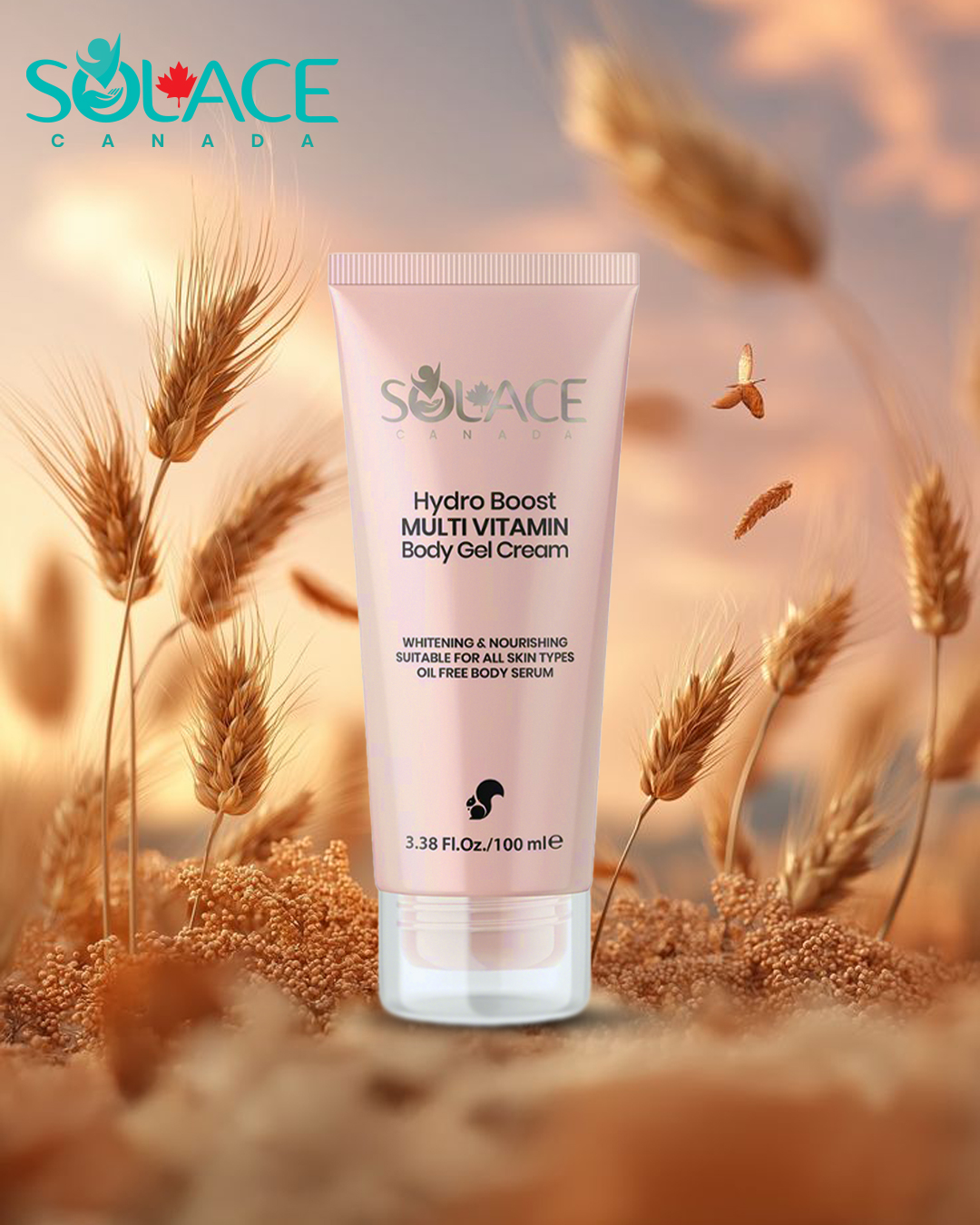
Patient Experience: “The First Body Cream That Didn’t Suffocate My Skin”
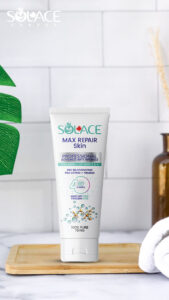
Among the feedback submitted on the product page for solace Hydrating & Softening Body Gel-Cream, one review captures the clinical expectation of acne-prone users particularly well:
“I have acne on my shoulders and back, and almost every body cream I tried either made my skin greasy or caused more breakouts. Then, I stopped moisturizing altogether for a while, but my skin felt tight and uncomfortable after showering. I tried this gel-cream after a workout, it absorbed quickly, didn’t sit on my skin, and didn’t feel sticky. The acne didn’t disappear overnight, but the redness went down, and most importantly, no new breakouts appeared. For me, not making things worse is already a major win.”
When distilled, this experience highlights the minimum clinical expectations of an effective body moisturizer for acne-prone skin:
- Absorbs rapidly without residue
- Does not intensify existing acne
- Gradually reduces redness and irritation
- Calms the skin after showering or exercise
- Remains tolerable with daily, long-term use
If these criteria are not met, the product is typically abandoned, regardless of its marketing claims.
Ingredient Logic: Why This Formula Works for Acne-Prone Body Skin
The formulation of solace Hydrating & Softening Body Gel-Cream prioritizes skin tolerance under real-world conditions, including friction from clothing, perspiration, environmental pollution, and climate variability.
1- Hyaluronic Acid
- Deep hydration without oiliness or pore blockage
- Essential for restoring water balance in acne-prone skin
2- Niacinamide (Vitamin B3)
- Reduces inflammation and redness
- Improves uneven skin texture
- One of the few actives consistently compatible with acne-prone skin
3- Dexpanthenol (Pro-Vitamin B5)
- Calms irritation
- Supports barrier repair
- Particularly beneficial after shaving, workouts, or sweating
4- Alpha-Arbutin
- Helps fade post-acne discoloration on the body
- Provides brightening benefits without irritation
5- Retinyl Palmitate (Gentle Vitamin A Derivative)
- Supports gradual skin renewal
- Improves texture without the aggressiveness of stronger retinoids
6- Glycerin + Vitamin E
- Maintains long-lasting hydration
- Offers antioxidant protection against environmental stressors
The solace Formulation Philosophy: Where the Difference Lies
Many body care products perform well on paper but fail in daily use, not because they are ineffective, but because they are not designed for real skin behavior.
The solace body gel-cream was developed according to strict Canadian formulation standards, where tolerability, safety, and long-term use precede sensory appeal. Beyond regulatory compliance, the formula was optimized for modern lifestyle stressors:
- Urban pollution
- Seasonal dryness
- Frequent showering
- Regular physical activity
- Indoor heating and air conditioning
Importantly, this is not a product meant for occasional use. It is designed to be used daily without triggering compensatory skin reactions. No comedogenic ingredients, no unnecessary irritants, and no reliance on short-term sensory effects that compromise long-term skin balance.
Why Some Body Creams Make Acne Worse
Not all moisturizers fail for the same reason. The difference often lies in how the product behaves after application, throughout the day.
Skin Feel and Residue
Many creams leave behind a film that becomes problematic under clothing and heat.
With solace:
- Leaves no greasy or sticky layer
- The gel-cream absorbs quickly
- Does not trap heat or sweat
Reaction in Warm or Humid Conditions
Some products exacerbate shine and breakouts during perspiration.
solace was formulated to:
- Avoid excess oil production
- Maintain balance during sweating
- Remain tolerable in warm or fluctuating climates
Hydration Without Overload
Products often fail by being either too light or too heavy.
solace achieves:
- Sustained hydration
- No sensory overload
- Consistent comfort with repeated use
How to Integrate a Gel-Cream Into a Daily Routine
Effective routines are simple and sustainable.
Evening Routine (Recommended)
- Apply a thin layer after showering while skin is slightly damp
- Focus on acne-prone areas: back, shoulders, arms, chest
- Allow full absorption before dressing
Morning Routine (For Active Lifestyles)
- Use a smaller amount
- Apply thinly on friction-prone areas
- If exposed to sunlight, apply body sunscreen after full absorption
Layering Guidance
- Acne treatments first
- Gel-cream second
- Sunscreen always last
Minimal layering is key for body skin.
Final Thoughts
Effective body skincare is not about aggressive treatment, it is about consistency without compromise. The ideal product is one you can use after every shower without hesitation, without discomfort, and without worrying about what will happen to your skin later in the day.
solace Hydrating & Softening Body Gel-Cream was designed with that exact philosophy: a tolerable, climate-adaptive, dermatologist-reviewed formulation suitable for daily use across diverse environmental conditions.
References
Topical Vitamin E in Modern Skin Therapy
Use of Dexpanthenol for Atopic Dermatitis
Hyaluronic Acid and Skin: Its Role in Aging and Wound-Healing Processes
Exploring Niacinamide as a Multifunctional Agent for Skin Health and Rejuvenation
Arbutin as a Skin Depigmenting Agent with Antimelanogenic and Antioxidant Properties


No comment yet, add your voice below!